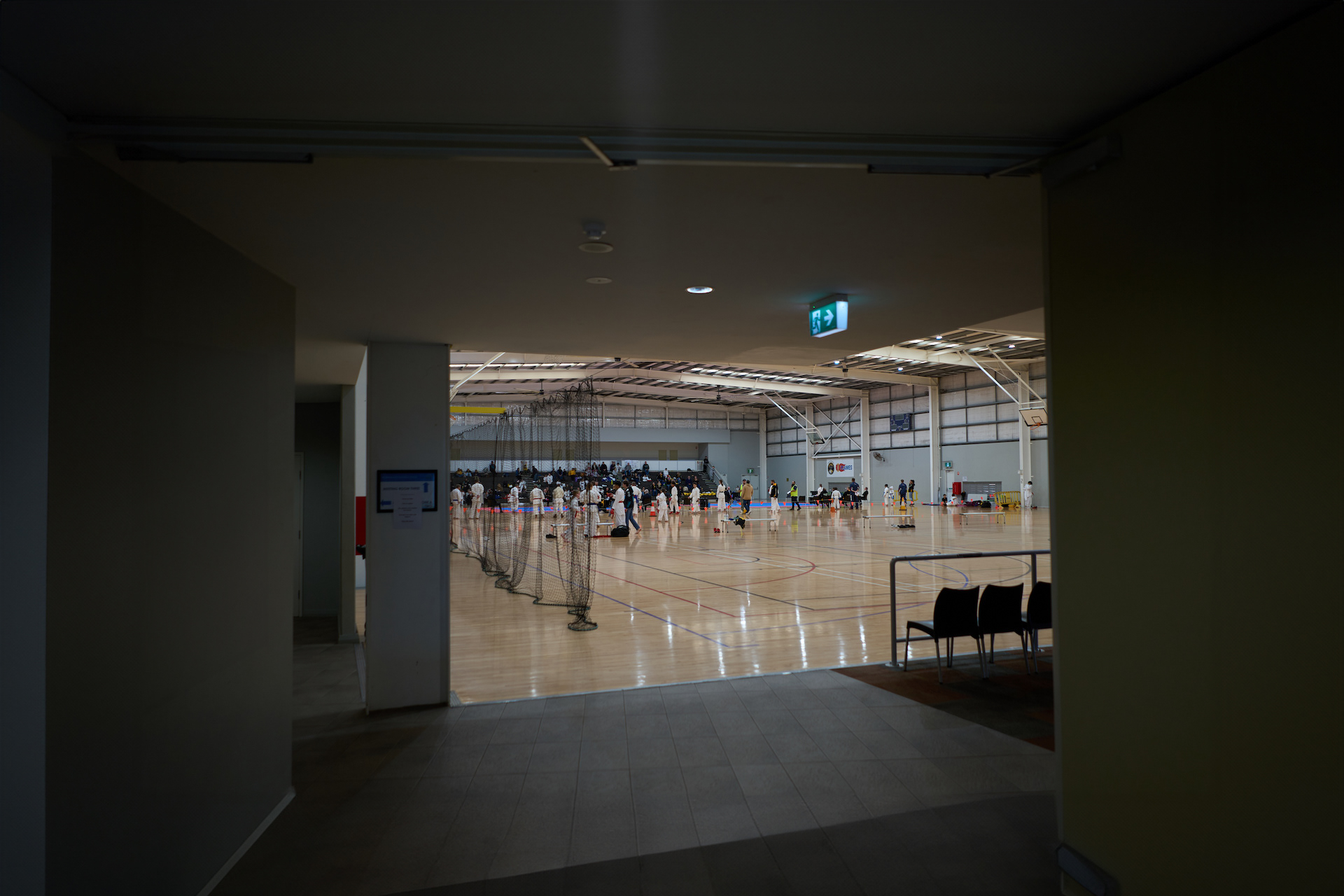
On Sunday, 24th August 2025, Northam hosted an international Shotokan karate competition at the Northam Recreation Centre, bringing together practitioners from Japan, South Africa, Australia, and Malaysia, as well as local dojos, to test skill, spirit, and character. Northam, a historic regional town about 100 kilometres east of Perth, sits in the heart of Western Australia’s Avon Valley. Known for its rolling hills, open farmland, and the Avon River that runs through its centre, Northam is both a gateway to the Wheatbelt and a cultural hub for the surrounding region.

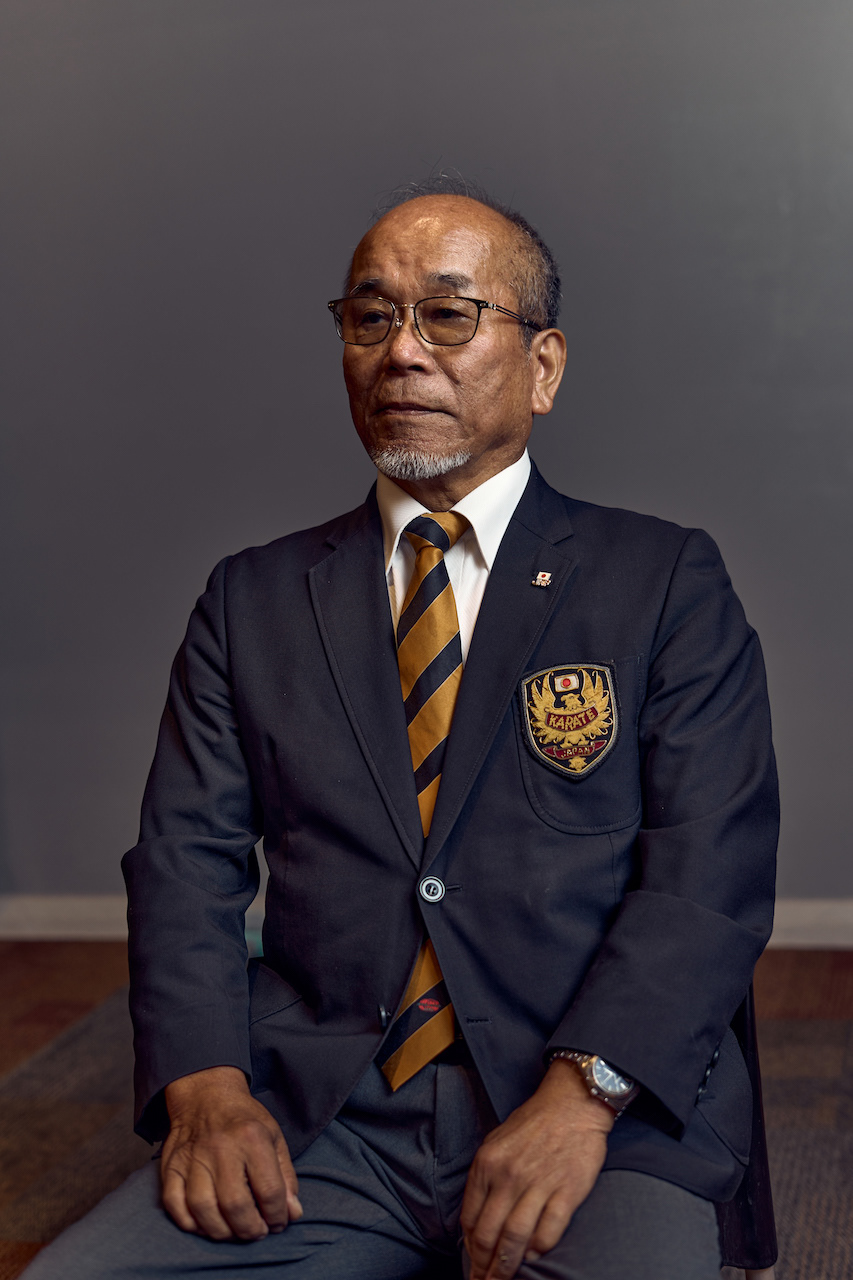


While famous for the Avon Descent white-water race and its heritage buildings, the town also serves as a gathering point for sporting and community events, making it a fitting backdrop for an international karate championship.


Shotokan’s roots trace to Okinawa and were shaped by Gichin Funakoshi, who introduced the art to mainland Japan in the early 20th century. The name “Shotokan” comes from Funakoshi’s pen name, Shoto, and kan (hall) a nod to the quiet pine forests he loved and the place of study where karate’s stoic discipline is forged.


Beyond medals, Shotokan is a philosophy. Its training pillars, kihon (fundamentals), kata (forms), and kumite (sparring), cultivate timing (maai), focus (kime), and constant awareness (zanshin). The ethos is captured in the dojo kun: seek perfection of character, be faithful, endeavor, respect others, and refrain from violent behavior. Competition, in this view, is not about defeating an opponent so much as confronting one’s own limits with courtesy and courage.


That’s what made Northam significant. In this regional town, athletes ranging from juniors to seasoned black belts stepped onto the tatami with the same bow of respect used in dojos worldwide. Coaches and referees upheld Shotokan’s exacting standards, while the crowd witnessed the balance of precision and restraint that defines the style.


Although this tradition is now over a century old, the spirit of Shotokan, born in Okinawa and carried to Japan, continues today throughout the world, uniting people from all countries, cultures, and backgrounds in a shared practice of philosophy, discipline, and character.

