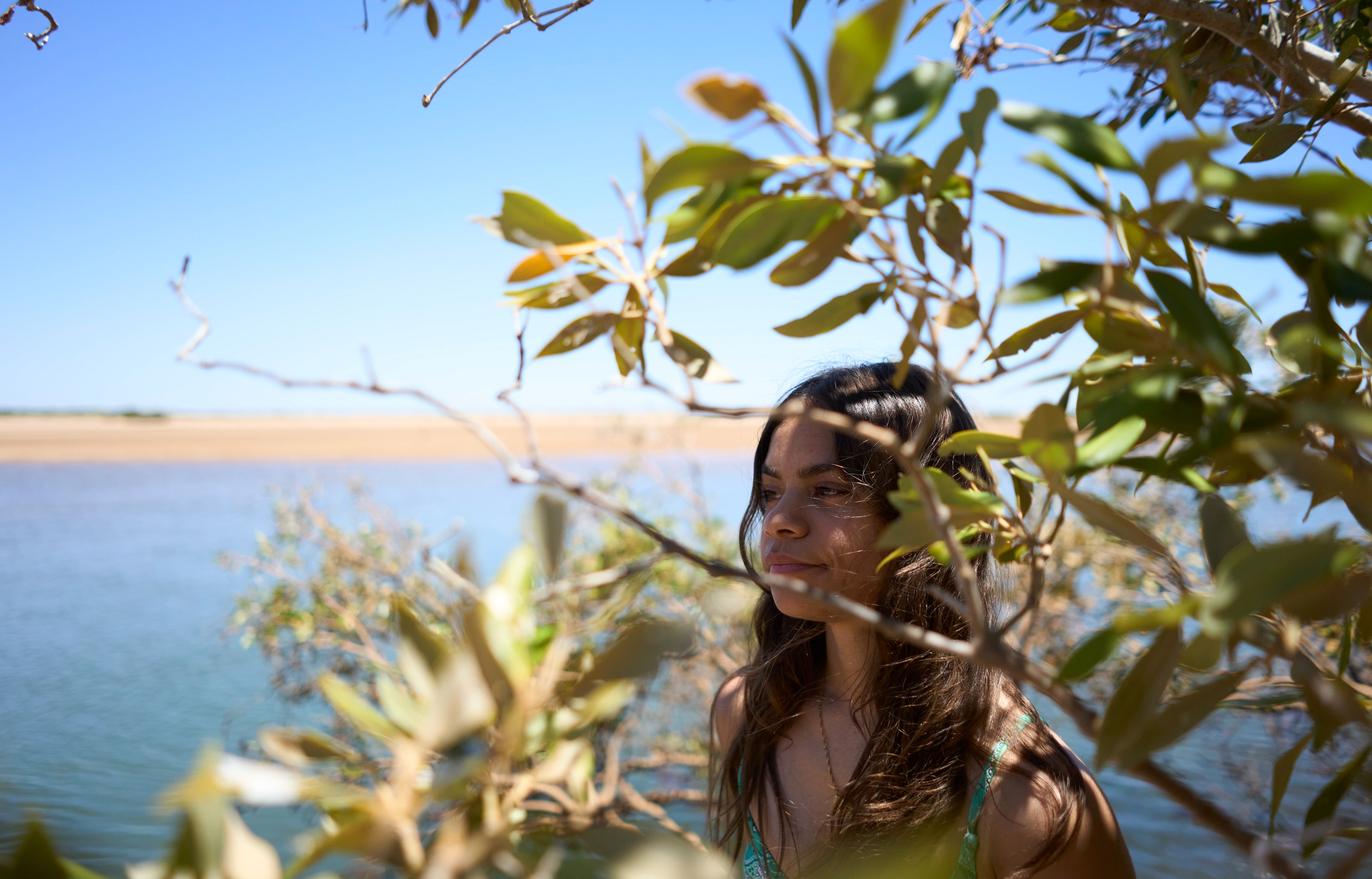
Growing Up Nyima is an Indigenous Australian coming-of-age documentary filmed between 2025 and 2026 where photographer and filmmaker Harry Cunningham follows the daily life of Nyima Tucker, a young Ngarluma, Banjima, and Yamatji woman as she navigates life between city and country.
Born in the Pilbara, where her ancestral roots run deep, Nyima was raised in Karratha before moving to Perth at 16. Living between these two worlds modern and ancient, urban and remote, separated by 1,500 kilometres of desert she grapples with identity, belonging, and the ever present -calling of home.
Nyima embraces modern life she loves photoshoots, creating social media content, dressing up, and going out, with dreams of traveling the world like many young women her age. At the same time, she holds a deep connection to her culture and family. Yet the film also reveals a more complex reality: for many Indigenous people, connection to country is not always something fully experienced or easily accessed.
Through an intimate, first-hand lens, the film offers a rare insight into the lived experience of a young Indigenous woman growing up in Australia today. It does not romanticise or simplify the experience; instead, it remains grounded in the realities of everyday life while subtly reshaping perceptions throughout the film.
As Nyima returns home for the first time as an adult, she encounters her country in new ways growing ever more connected to her culture.
Nyima is thoughtful, sharp, disarmingly funny and open to sharing her experience of the world. She loves her family, her culture, and her country. Without trying to be, she emerges as a role model, simply through her honesty and the way she moves through the world as herself.
At a time when Indigenous stories are often told through the perspectives of older generations, Growing Up Nyima amplifies a younger voice- capturing the lived reality of a new generation navigating both city and country, and offering a sense of hope for a united Australia, built on understanding, in both connection to culture and country.
If you are interested in hosting a screening + talk and Q&A get in touch below.
For business enquiries - screener link on request.

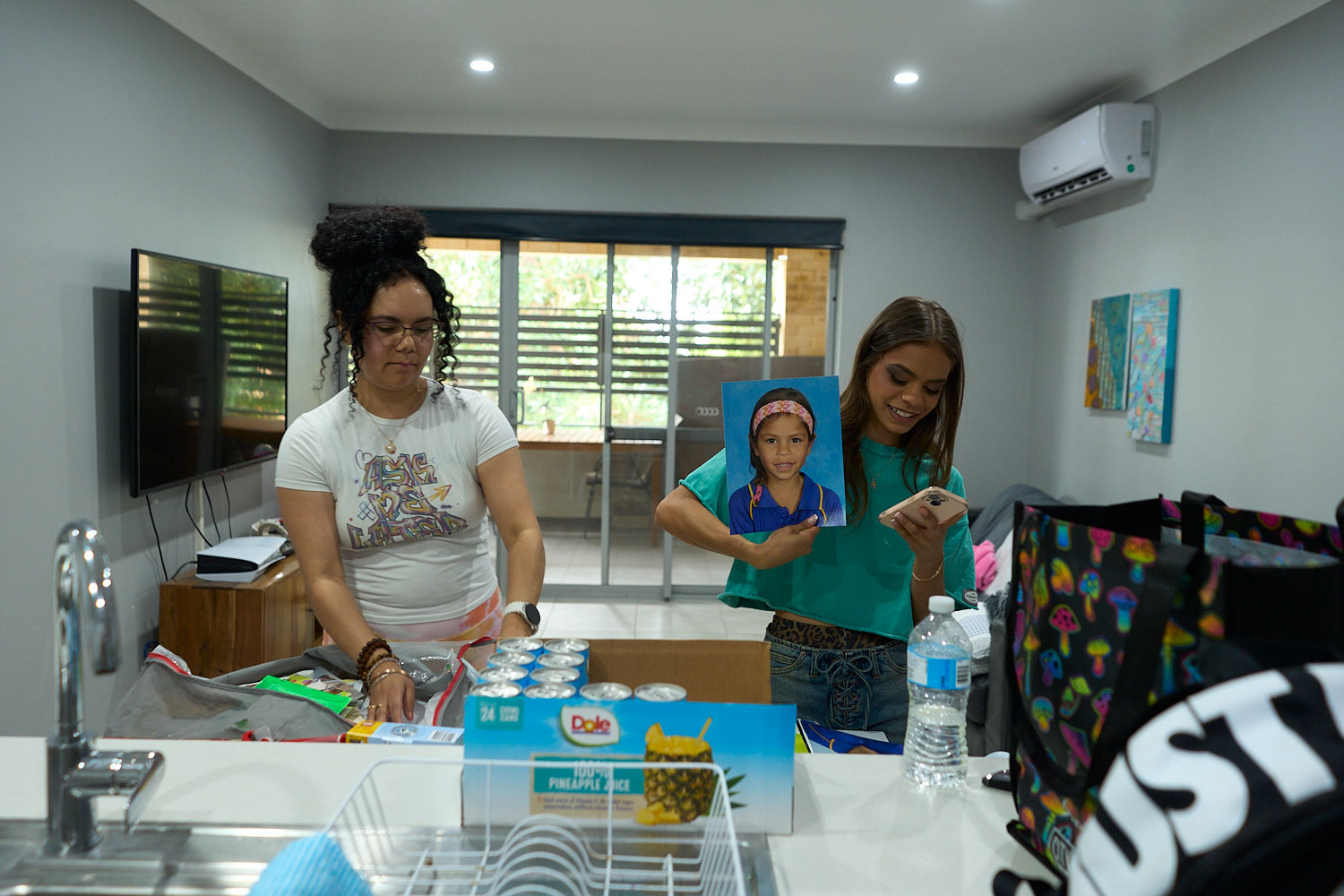
Nyima Tucker lives in Perth. At 19, her everyday life is familiar and relatable, she loves making TikToks, experimenting with makeup, modelling and doing photoshoots, going to the beach, and spending time with friends. These ordinary moments sit alongside her deeper cultural connections, offering an honest portrait of a young woman growing up in contemporary Australia.
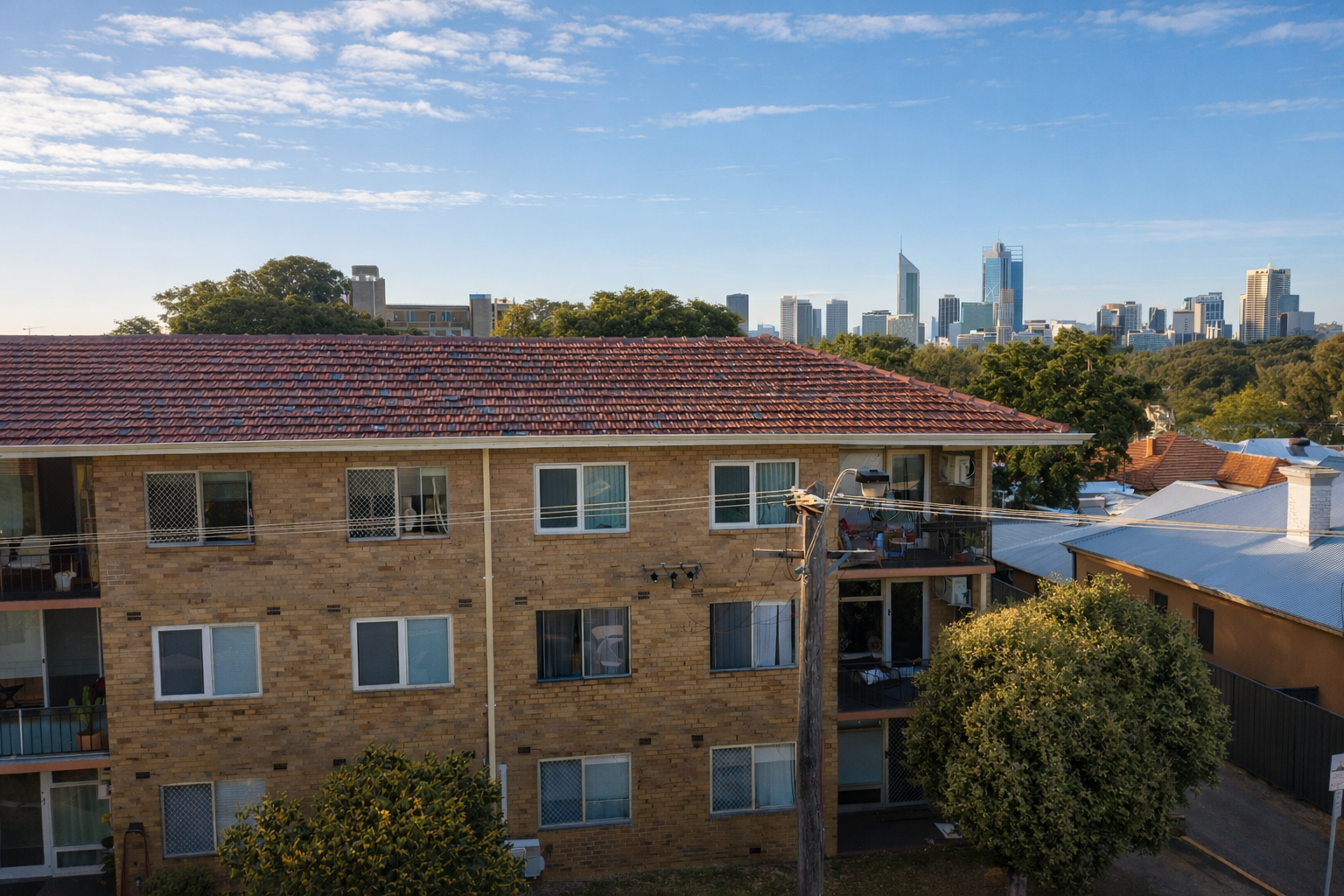
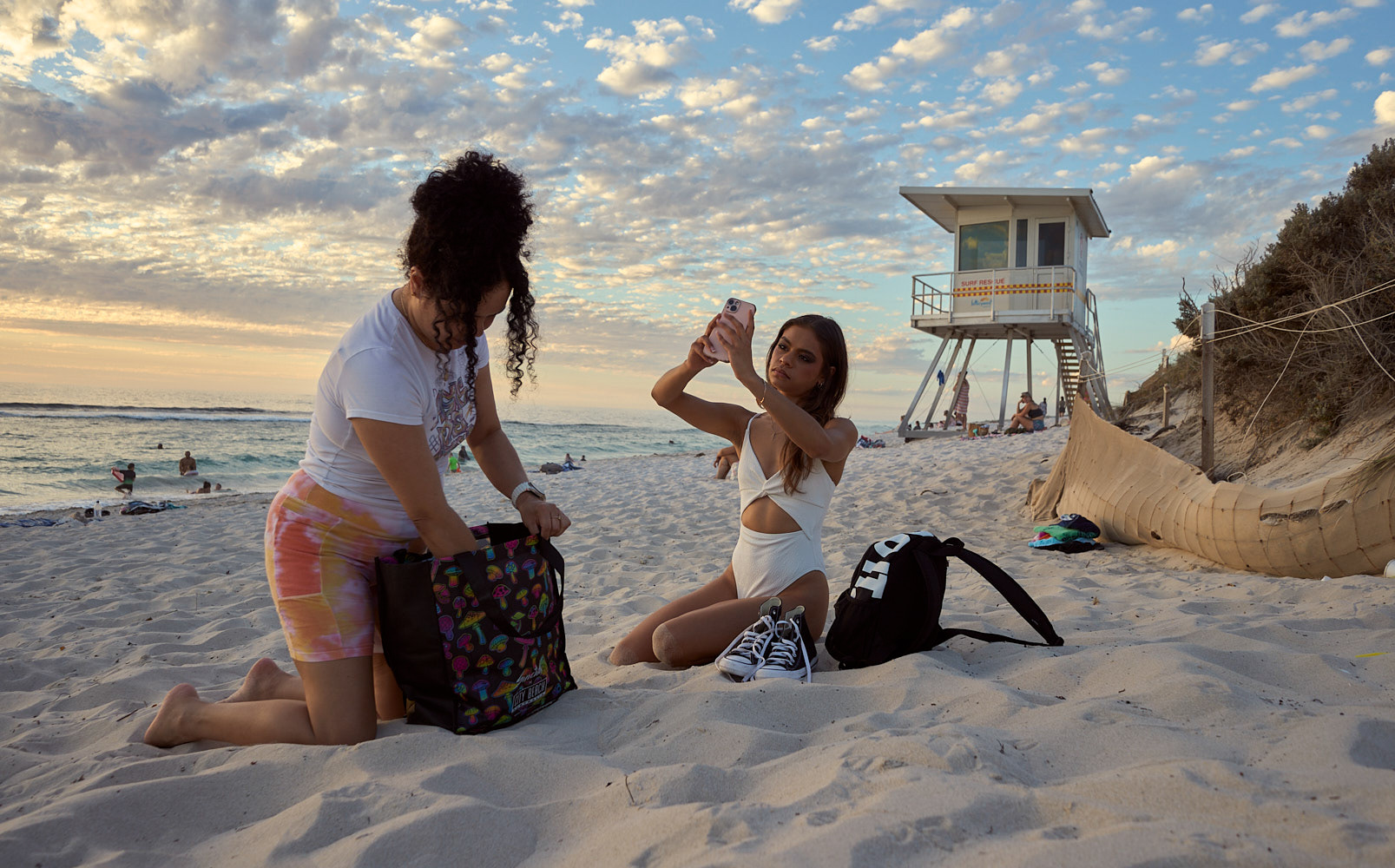
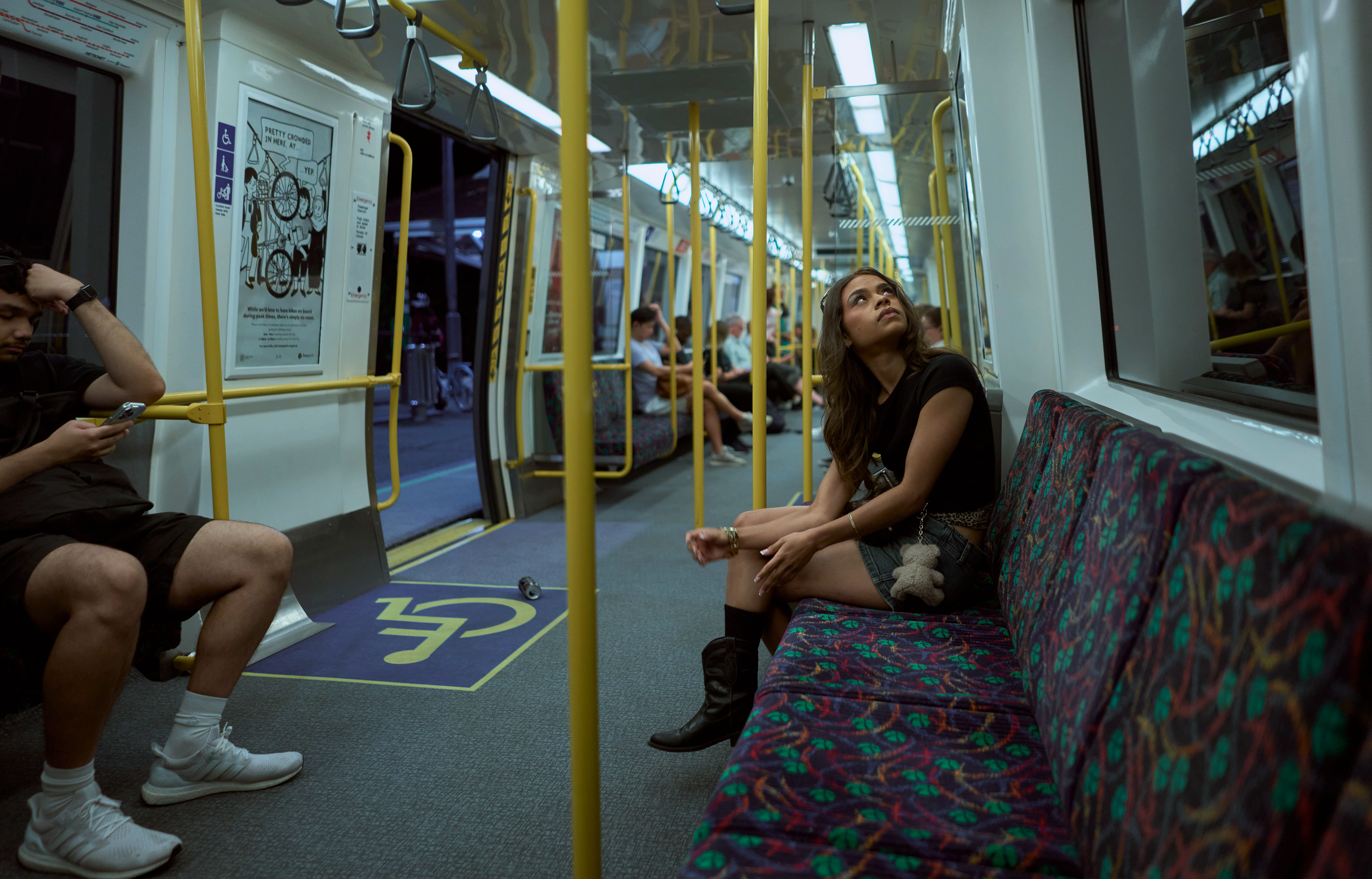
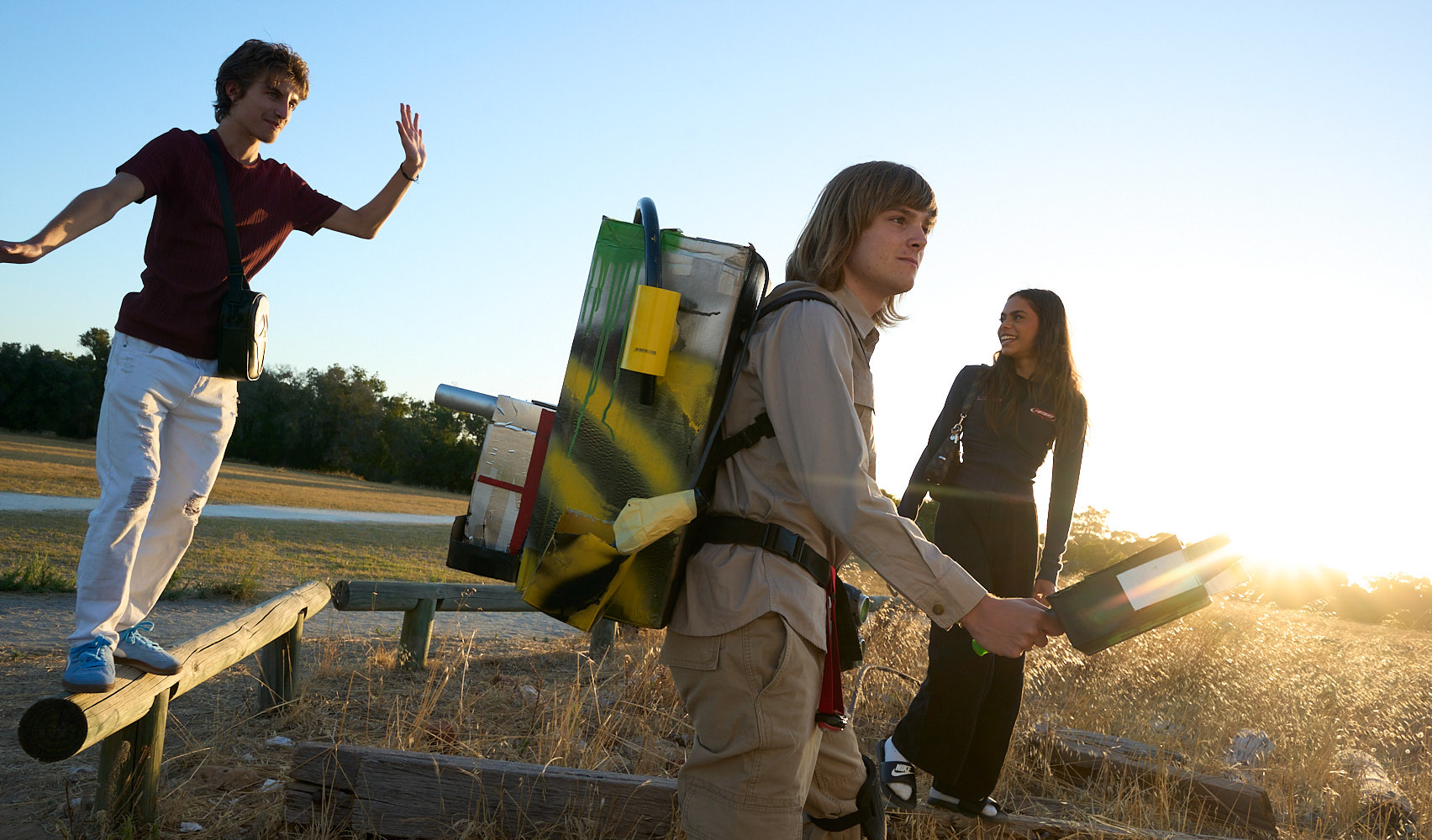
Nyima also spends time with her mother, connecting with her Banjima and Yamaji side. Together they share everyday moments, shopping, going to the beach, and simply spending time together, grounding Nyima's life in family, care, and connection across both sides of her heritage.
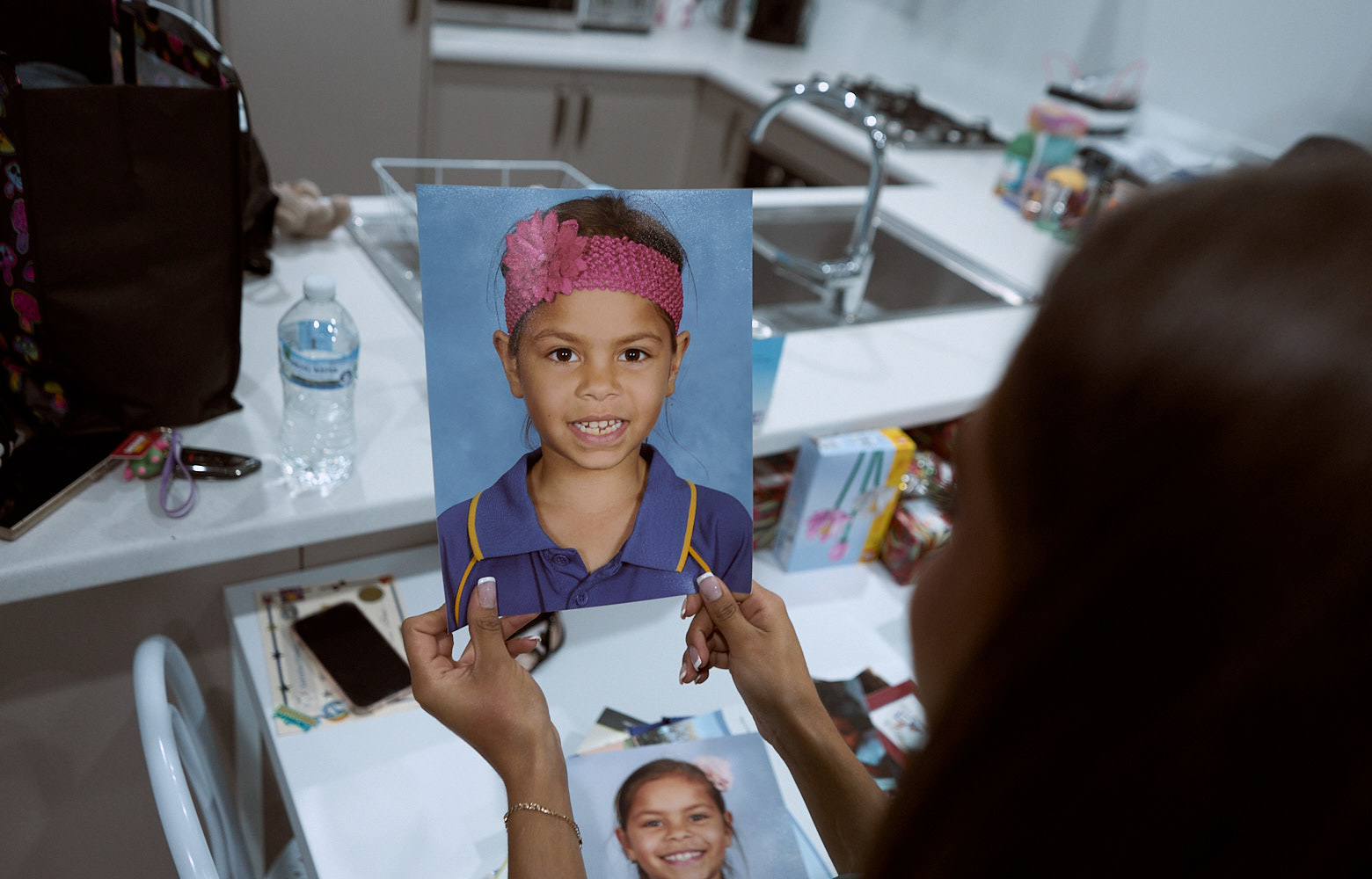
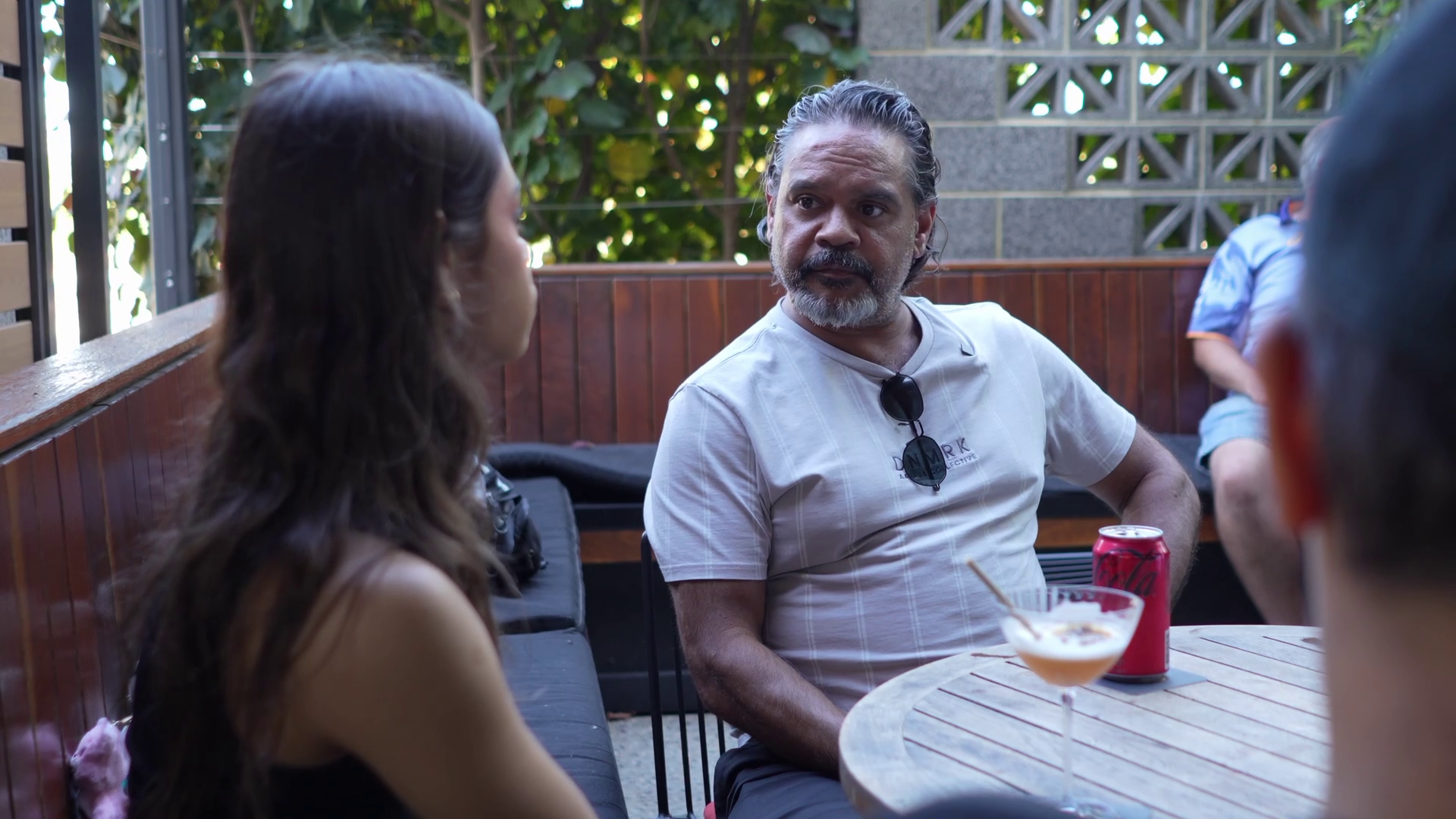
Trying to navigate two worlds , city and country, Nyima turns to her father for guidance, grounding, and advice. A subtle yet powerful moment from Growing Up Nyima: Between Two Worlds.
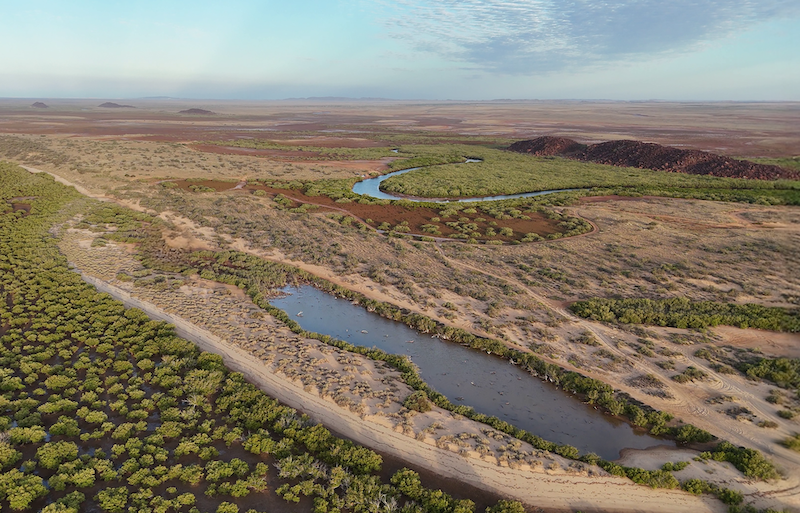
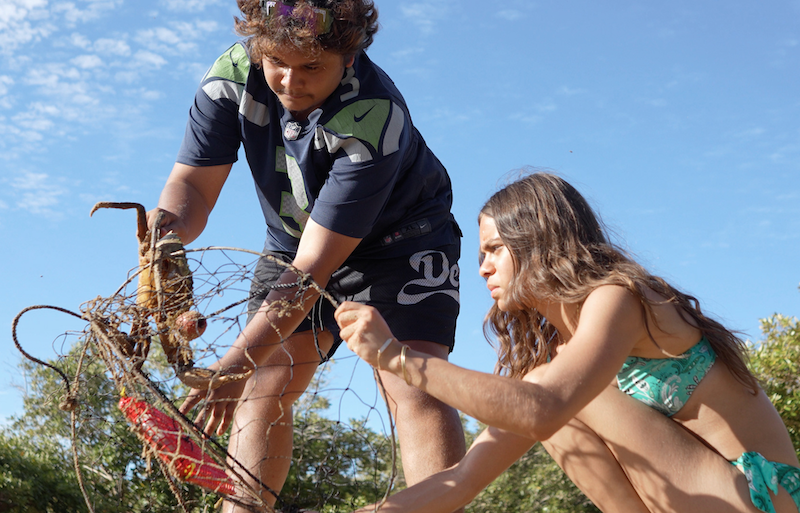
Across 1,500 kilometres, a 16-hour drive from Perth, lies Karratha, where Nyima grew up. It is where she went to school and where many of her formative memories were made, spending time fishing and crabbing with family. More of her cousins and grandparents live here, making Karratha a place of deep connection, belonging, and shared history.
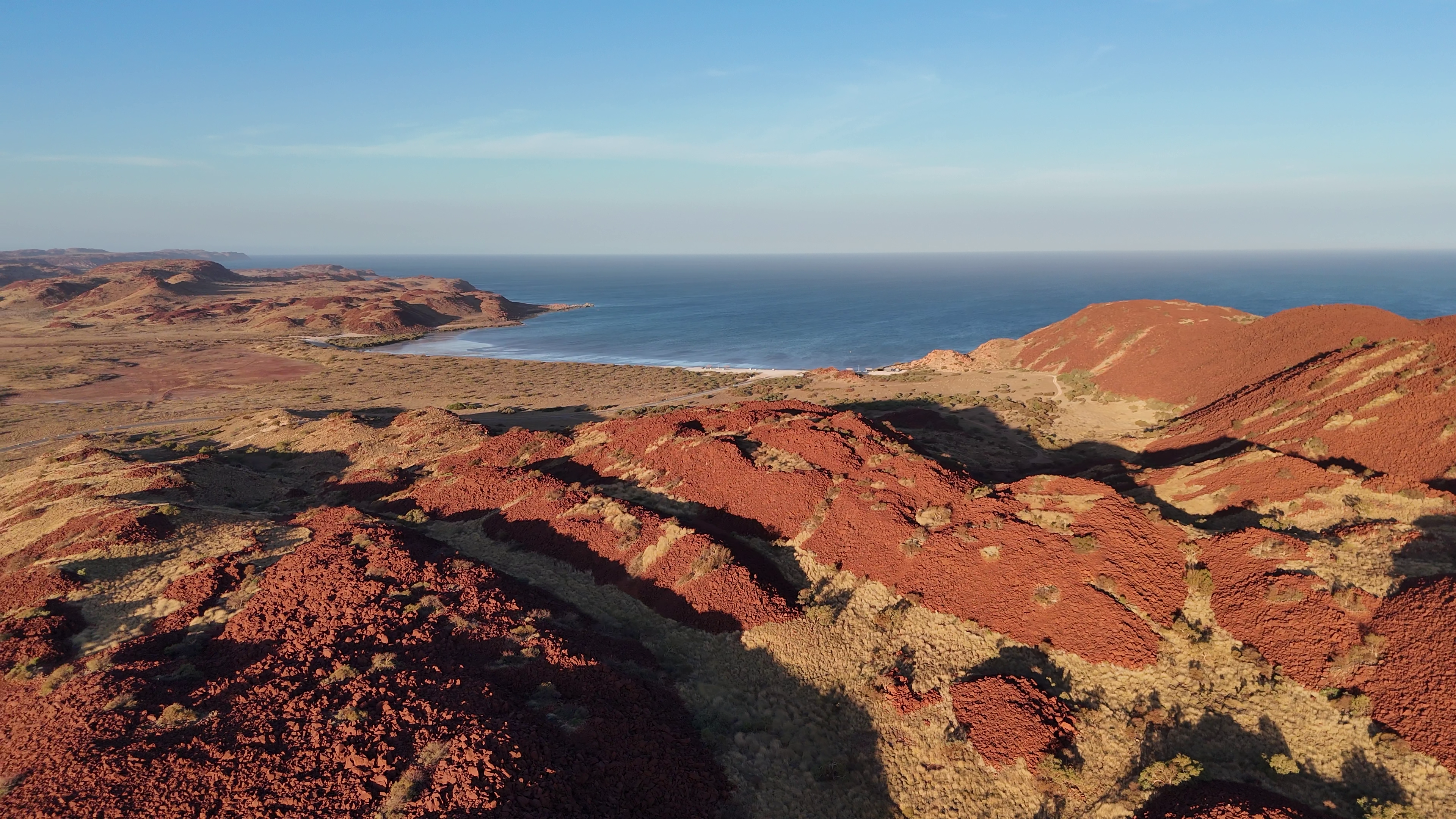
Murujuga is home to one of the world’s largest and oldest collections of rock art, with petroglyphs dating back tens of thousands of years. Etched into the stone are stories of ancestors, animals, ceremonies, and changing landscapes, forming a living cultural archive that continues to hold deep spiritual and cultural significance for Traditional Owners. The rock art is not just history, but an ongoing connection to Country, law, and identity.
During the project, Nyima visited the Murujuga rock art for the first time with her cousin Jade Churnside, who also has ancestral ties to the area. Walking through the landscape together, the visit became a moment of learning, reflection, and connection, linking generations through place, story, and shared heritage.
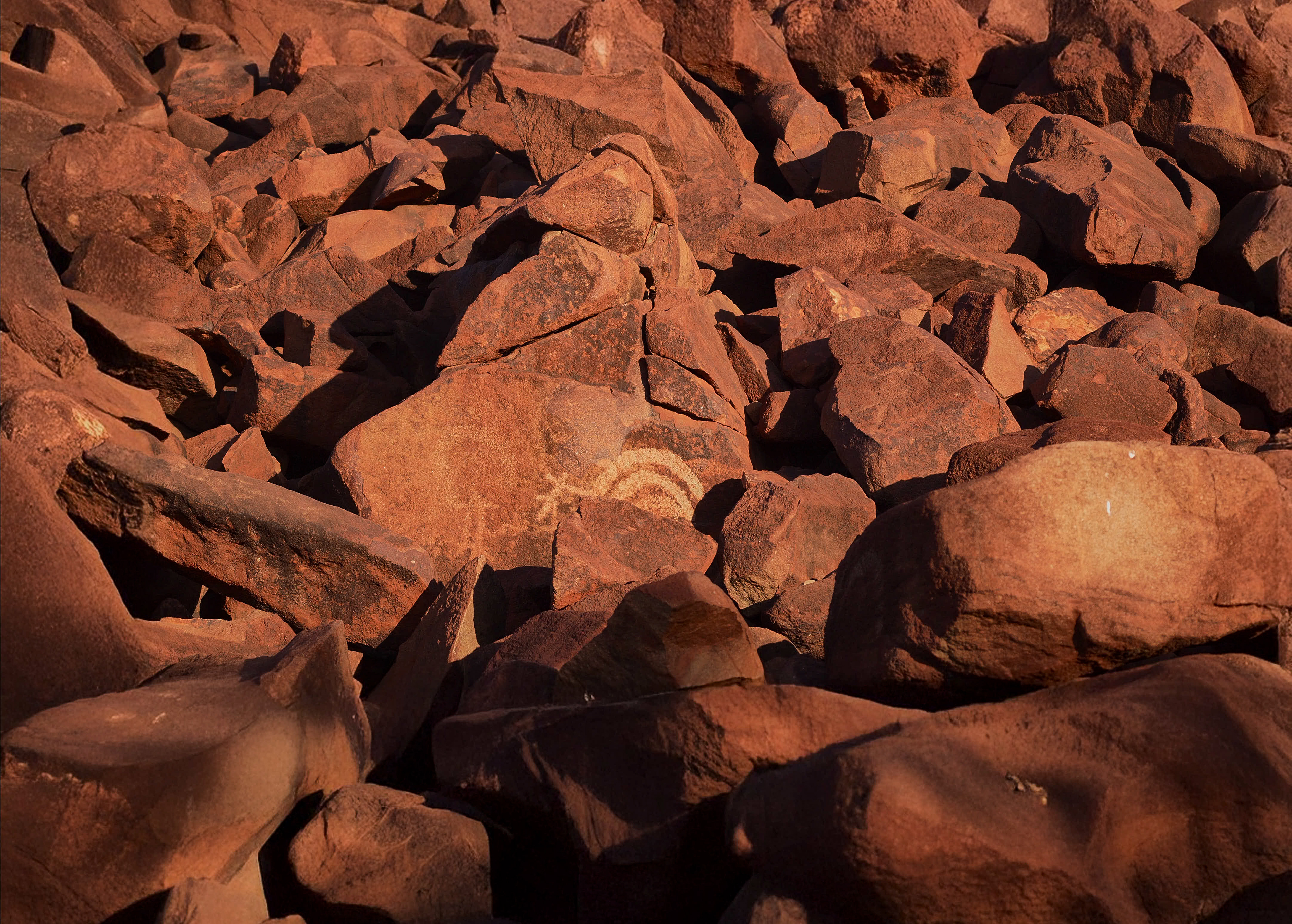
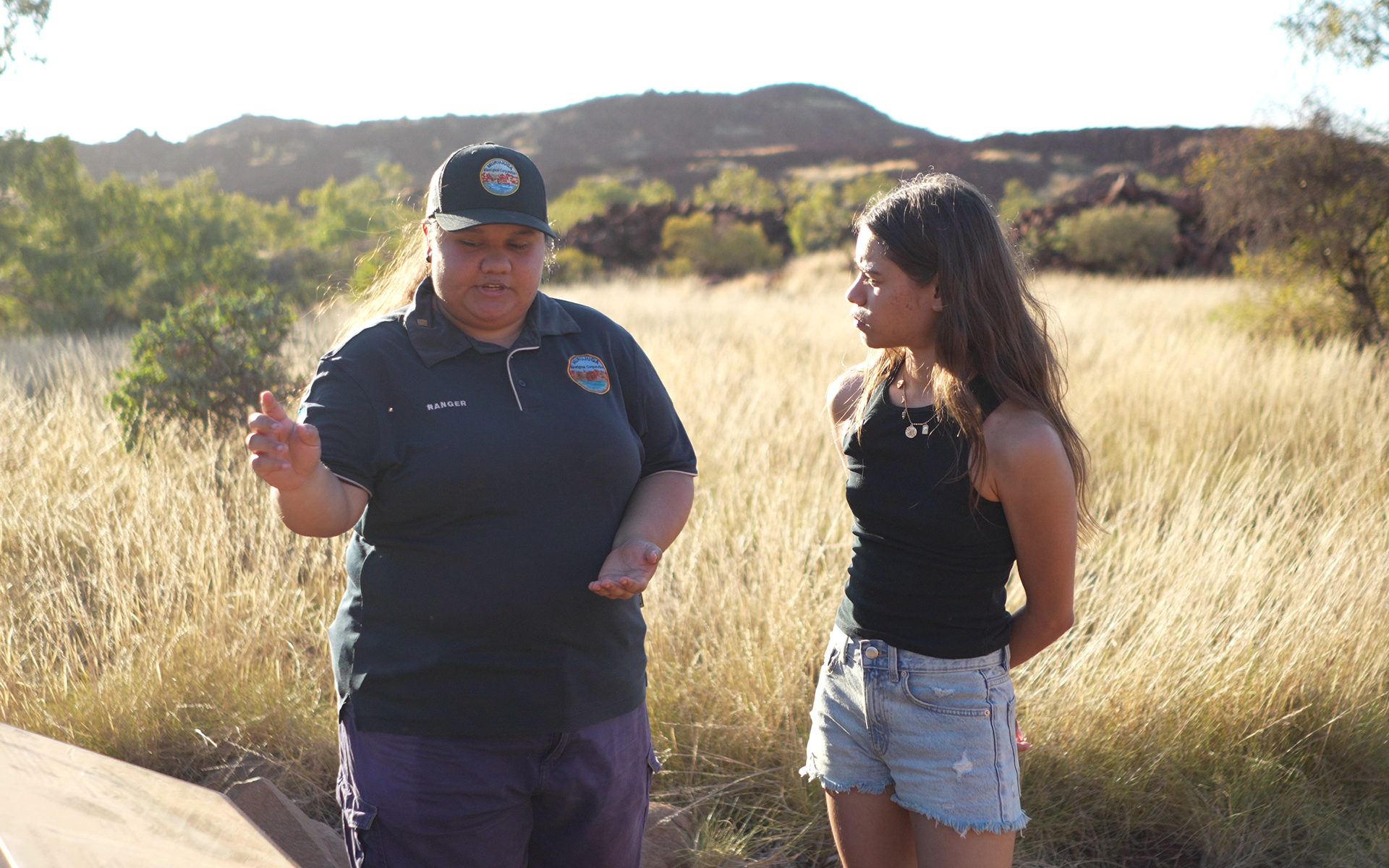
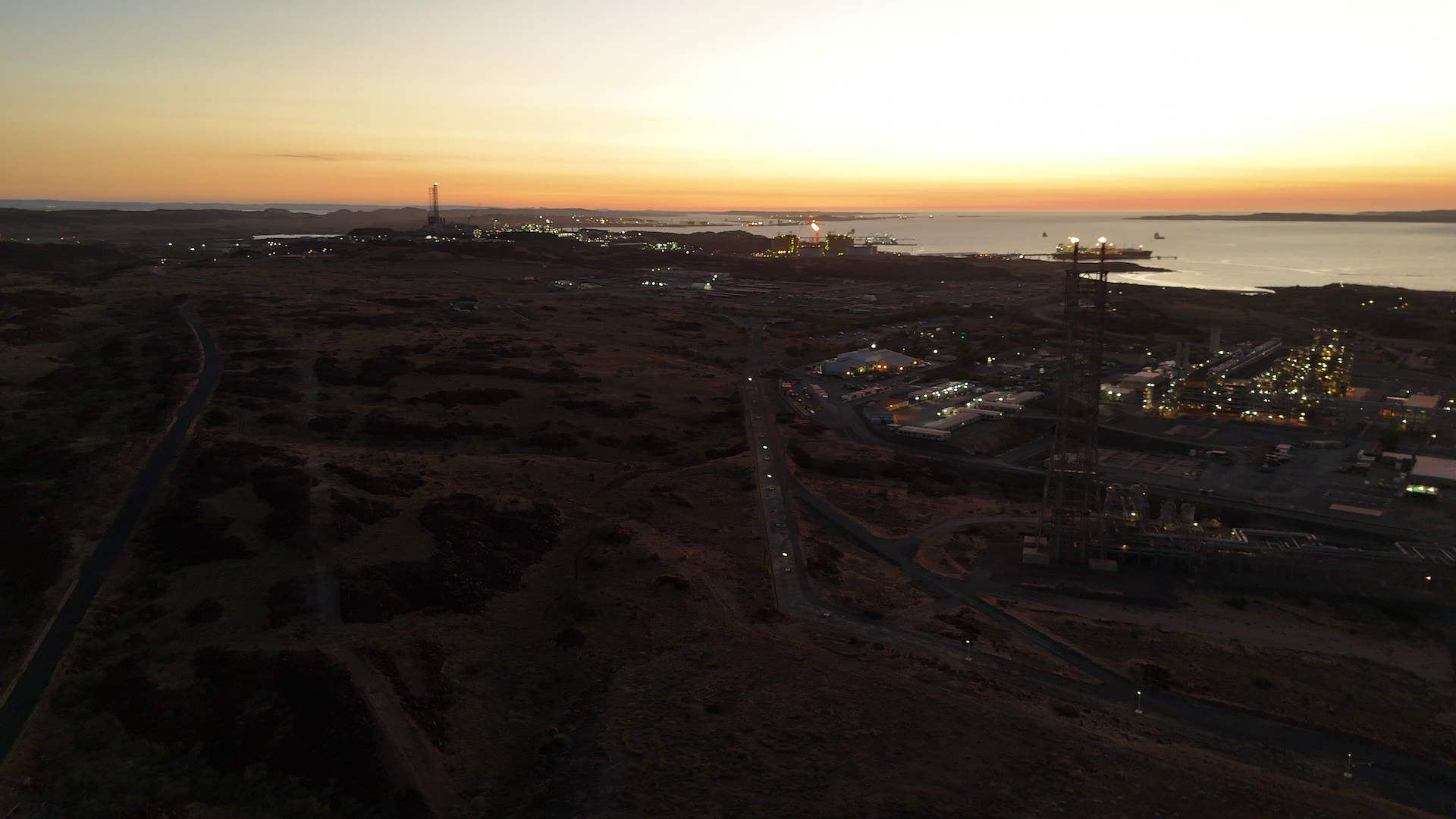
Nyima sits on the ancient rocks of the Burrup Peninsula at sunset, as the golden light makes the stones grow deep red and slowly fades against the outlines of gas plants in the distance. The land beneath her carries tens of thousands of years of cultural history, etched in the very stones that surround her, while the industrial landscape beyond represents the region’s modern economic reality. She understands why the gas plants are there, yet she can feel an imbalance as they slowly encroach upon her ancestral lands. The flickering flames and towering structures mark the presence of industry, yet the sacredness of the land remains ever-present, grounding her in a connection that has lasted generations.
As evening settles in, Nyima reflects on both the past and the future. She feels the weight of ancestral stories embedded in the rocks beneath her and the pull of modern life represented by the distant industrial lights. At times, she feels helpless in her position, caught between worlds she does not fully control, yet she puts her faith in the wisdom and guidance of her elders. Here, two worlds collide, tradition and industry, culture and commerce, ancient Country and contemporary city life, each shaping who she is and the choices she faces. In this quiet moment, the Burrup Peninsula becomes a space for understanding and reconciliation, highlighting the delicate balance between heritage and progress, and the importance of navigating both worlds.

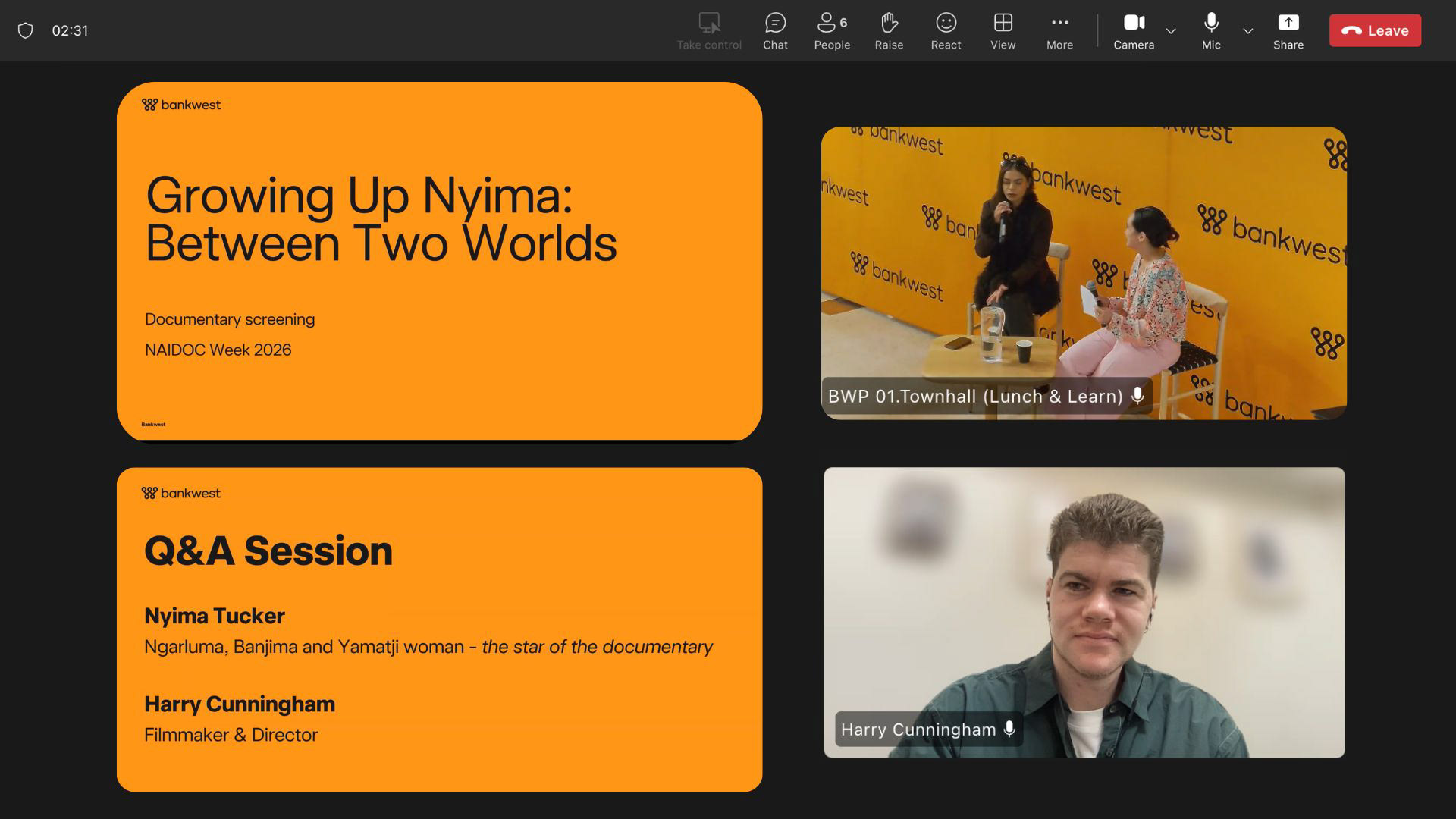
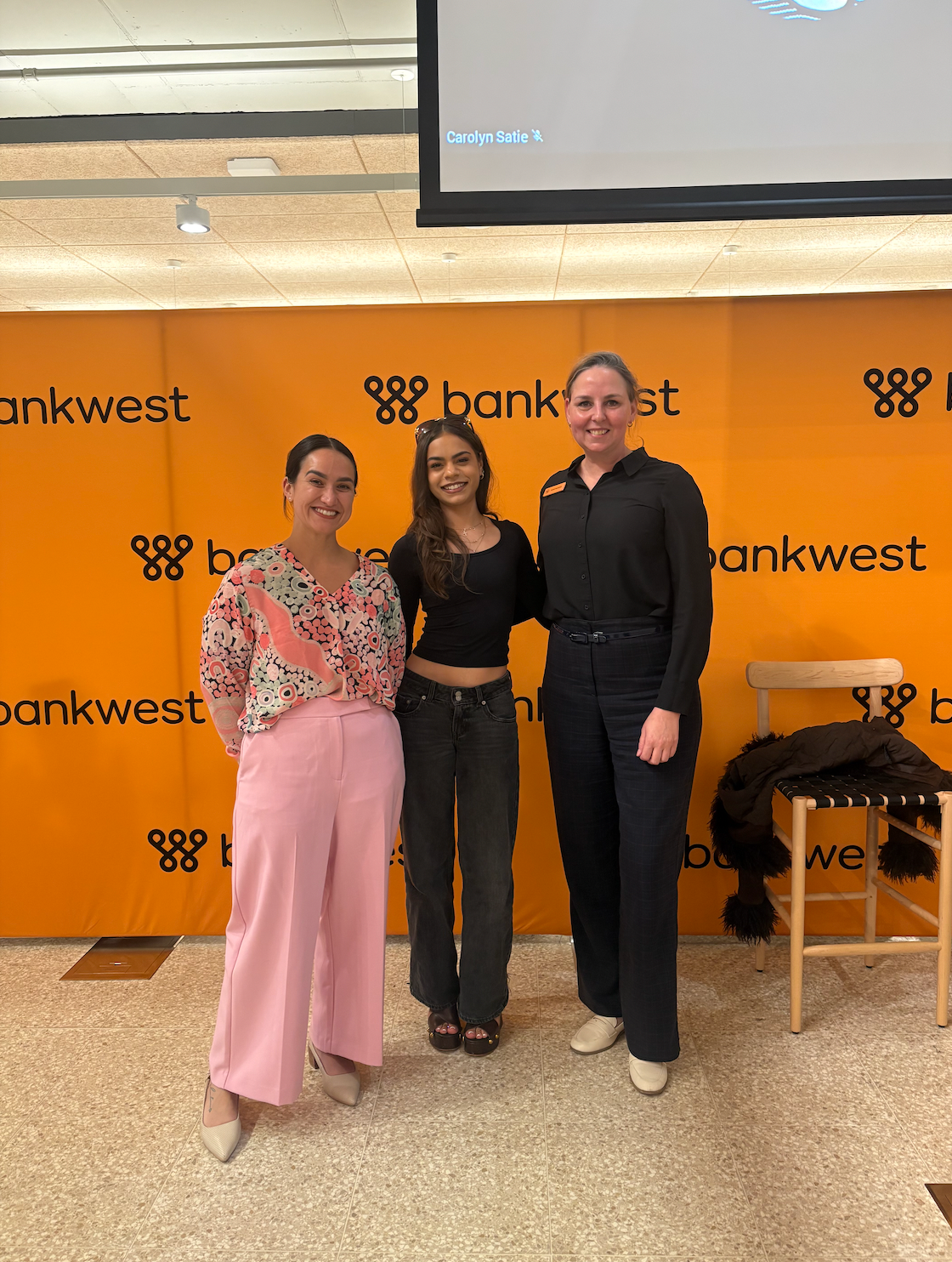
Our screening with BankWest
for NAIDOC Week 50 Years Of Deadly!
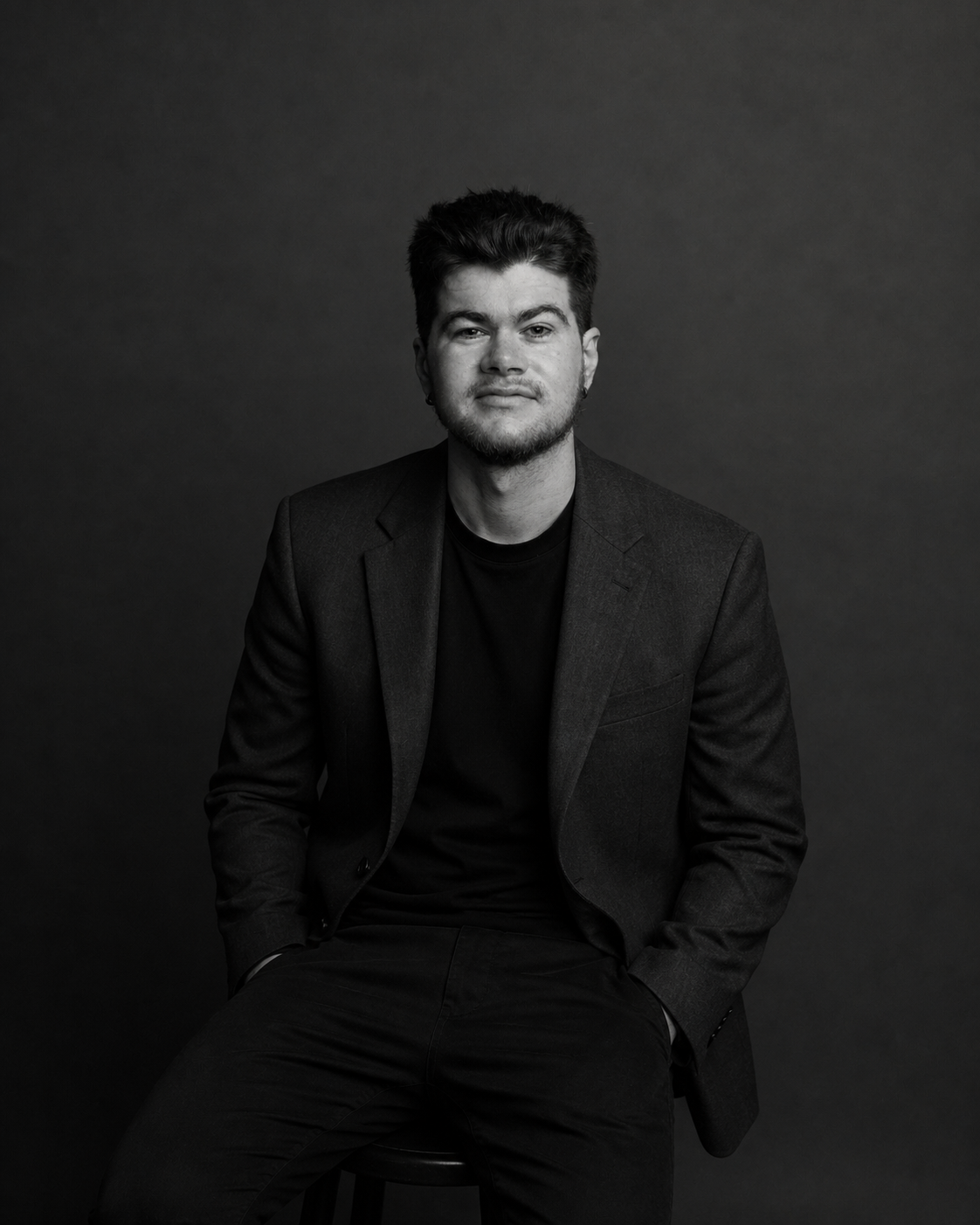
Directors Statement:
“Growing up in Australia, I was never truly exposed to the Indigenous culture of my own country. That changed when I met Nyima. I was immediately struck by her openness and generosity in sharing her story, her culture, and her world.
Through our conversations, Nyima spoke about navigating life between city and country an experience that reflects the reality for many Indigenous Australians today. Recently It became clear to me, from personal experiences, that there is still a divide that exists between indigenous and non-Indigenous Australia, shaped by misunderstanding and a lack of genuine connection so this film aims to act as a bridge where the audience can form a connection by watching this film and understanding Nyima’s perspective.
Growing Up Nyima emerged as a collaborative project between us, built on trust and a shared desire to offer a more honest, contemporary perspective. By documenting Nyima’s life, the film moves between Perth, where we meet her friends and family and the Pilbara, the place of her birth, where her cultural identity is deeply rooted.
The film also connects to the Murujuga rock art, a UNESCO World Heritage site,
grounding her story within one of the world’s oldest continuous cultures. In Karratha, this story reaches a point of tension, where ancient traditions exist alongside and are often challenged by modern industry, particularly mining.
grounding her story within one of the world’s oldest continuous cultures. In Karratha, this story reaches a point of tension, where ancient traditions exist alongside and are often challenged by modern industry, particularly mining.
Ultimately, this film is an attempt to bridge that divide: to foster understanding, challenge assumptions, and share a story that is both deeply personal and widely resonant."