Japan at the Crossroads of Tradition, Modernity and Tomorrow
Japan is globally celebrated for its immense societal sophistication and deep cultural appreciation for exquisite craftsmanship. It is a nation anchored by a highly educated population, a legendary work ethic, and some of the world's most hyper-efficient infrastructure. However, behind these monumental achievements, the country stands at a devastating crossroads. A collapsing economy and a shrinking population threaten to erase its rich heritage from the inside out. For decades, the nation's greatest defense has been isolation, but that defense has officially become its greatest trap.
At the heart of the crisis lies a rigid, high-stakes education system obsessed with perfection- one that conditions its youth to fear foreign communication rather than embrace it. As tradition fades into stagnation, a growing movement realizes that true preservation requires adaptation. If the nation cannot pivot from a school system built on isolation to a confident, global society that actively engages with a world that is already listening, what will happen to tomorrow's Japan?
By exploring the nation's profound spirituality, ancient cultural origins, and complex history, this film examines the deep philosophical underpinnings of a society navigating modern isolation. Ultimately, Between Gods and Glass encourages reflection on the values shaping Japan's present day and future, and the heavy cost of leaving this silence unbroken.
Hokkaido, Japan
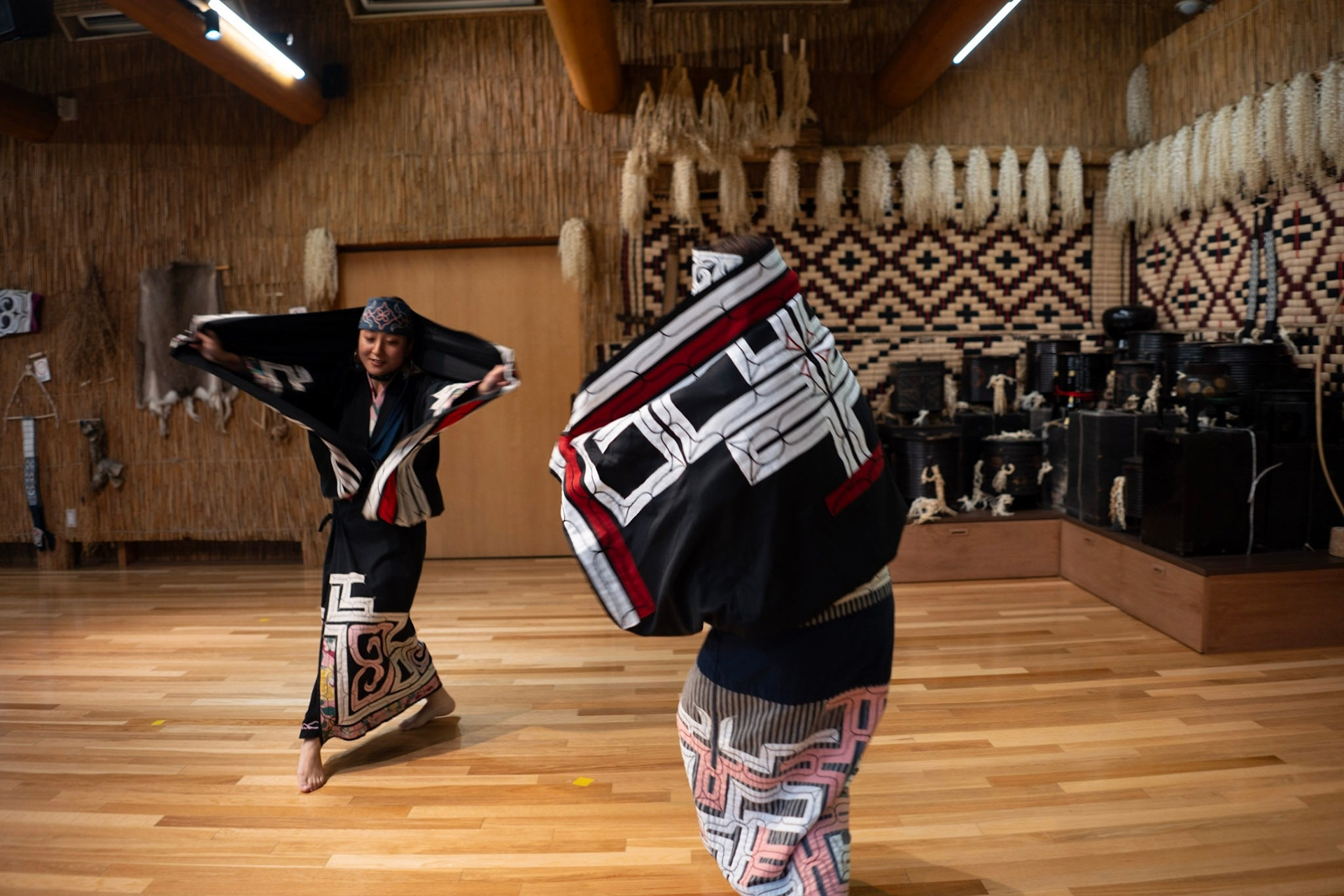
The crane dance, known traditionally as Sarorun Rimse, gracefully mimics the elegant movements, calls, and flight patterns of the red-crowned crane to symbolize longevity and the sacred bond between humanity and wildlife.
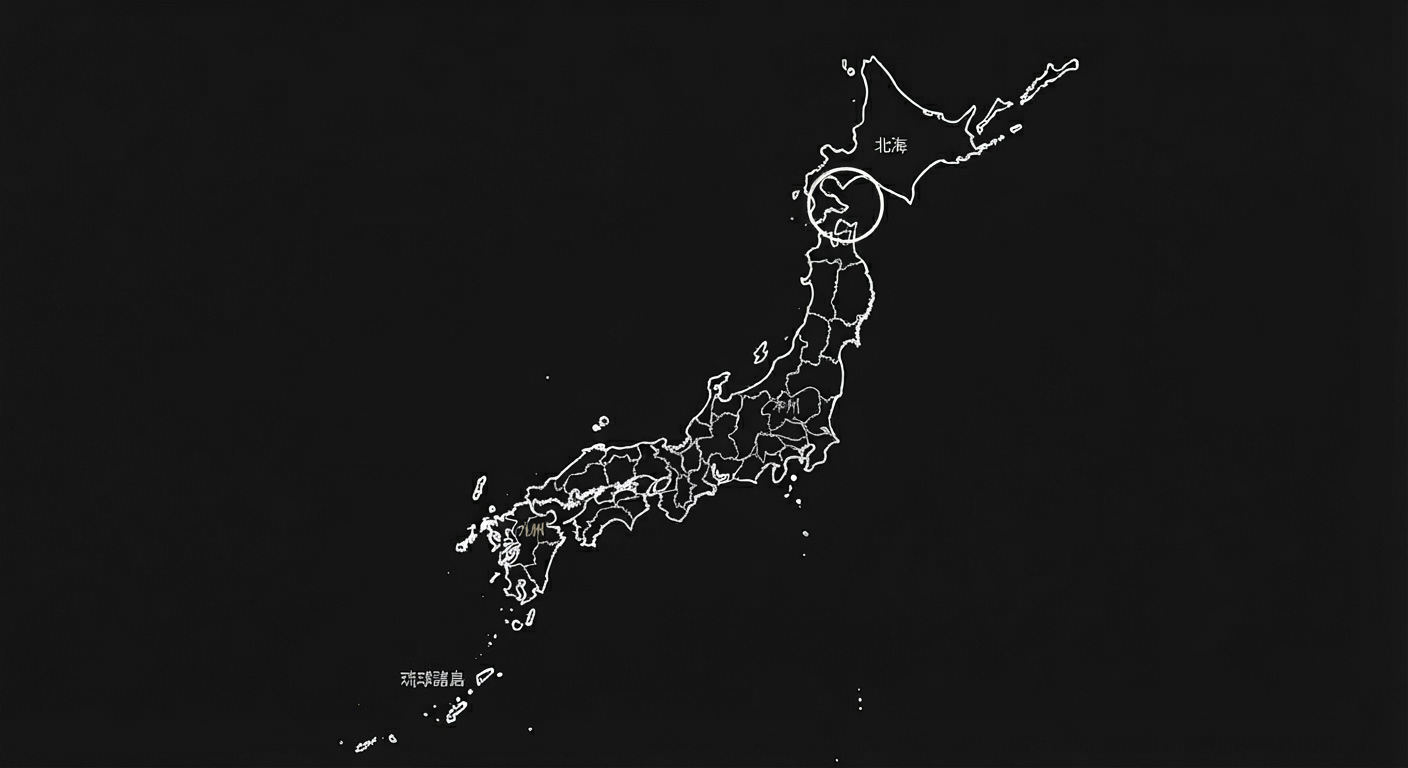
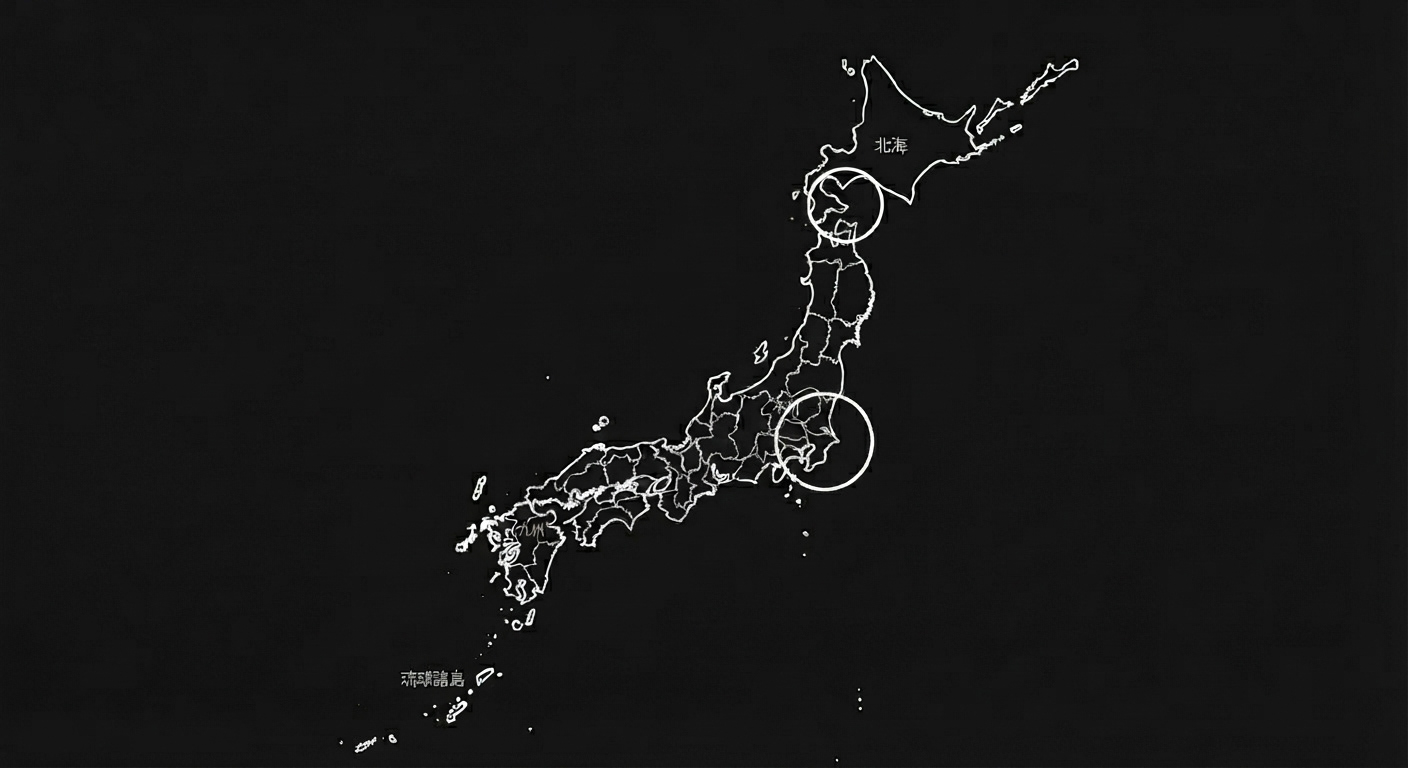
Starting my journey in Hokkaido and moving southward through Japan feels like following the natural grain of the archipelago's geography and history, beginning with its northernmost indigenous heritage. Hokkaido stands apart as the ancestral homeland of the Ainu people, making the Upopoy National Ainu Museum in Shiraoi an essential starting point to ground my travels in the island’s deep-rooted culture before venturing down the main island of Honshu. Tracing a path from north to south mirrors both historical migration patterns and a gradual transition from wild, expansive northern landscapes to the dense urban centers of the south.
The Ainu are the Indigenous people of northern Japan, primarily residing in Hokkaido, as well as parts of the Kuril Islands and Sakhalin. They possess a distinct culture, a unique language isolate unrelated to Japanese, and a profound spiritual worldview where all elements of nature are viewed as living spirits deserving of deep respect.Traditional Ainu dances serve as vital cornerstones of this heritage, acting as spiritual rituals, artistic expressions, and storytelling mediums.
In recognition of their immense cultural value, Ainu traditional dance was inscribed on UNESCO's Representative List of the Intangible Cultural Heritage of Humanity in 2009. Many of these dances are directly inspired by the movements of animals and birds, reflecting the foundational belief that humans exist in a shared, harmonious ecosystem with the natural world.
Beyond animal emulation, the rich Ainu choreographic repertoire includes performances depicting hunting techniques, fishing expeditions, foraging, seasonal celebrations, and communal solidarity.
Following decades of challenging historical assimilation policies that suppressed their native language and traditions, the Ainu community has experienced a powerful and inspiring cultural renaissance.
Today, these invaluable ancestral traditions are actively preserved, practiced, and performed at dedicated institutions across Japan.
Notable among these preservation efforts is Upopoy, the National Ainu Museum and Park located in Shiraoi, Hokkaido.
As a premier national center for the revival of Ainu culture, Upopoy offers immersive experiences such as traditional music, authentic dance performances, craft workshops, and culinary heritage.
Through these dedicated efforts and institutions, Ainu history, language, and wisdom continue to be shared, ensuring that their unique heritage thrives for future generations.
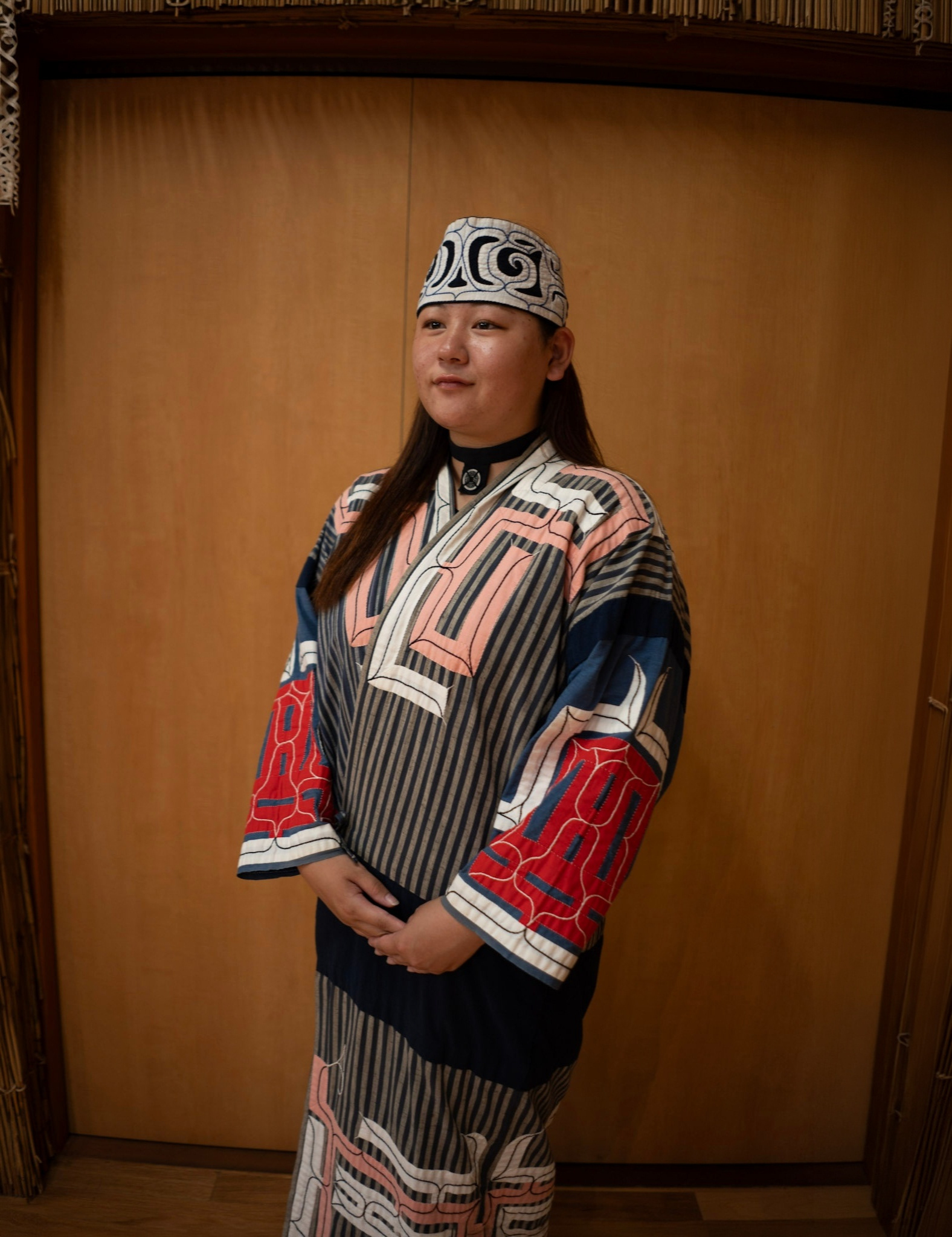
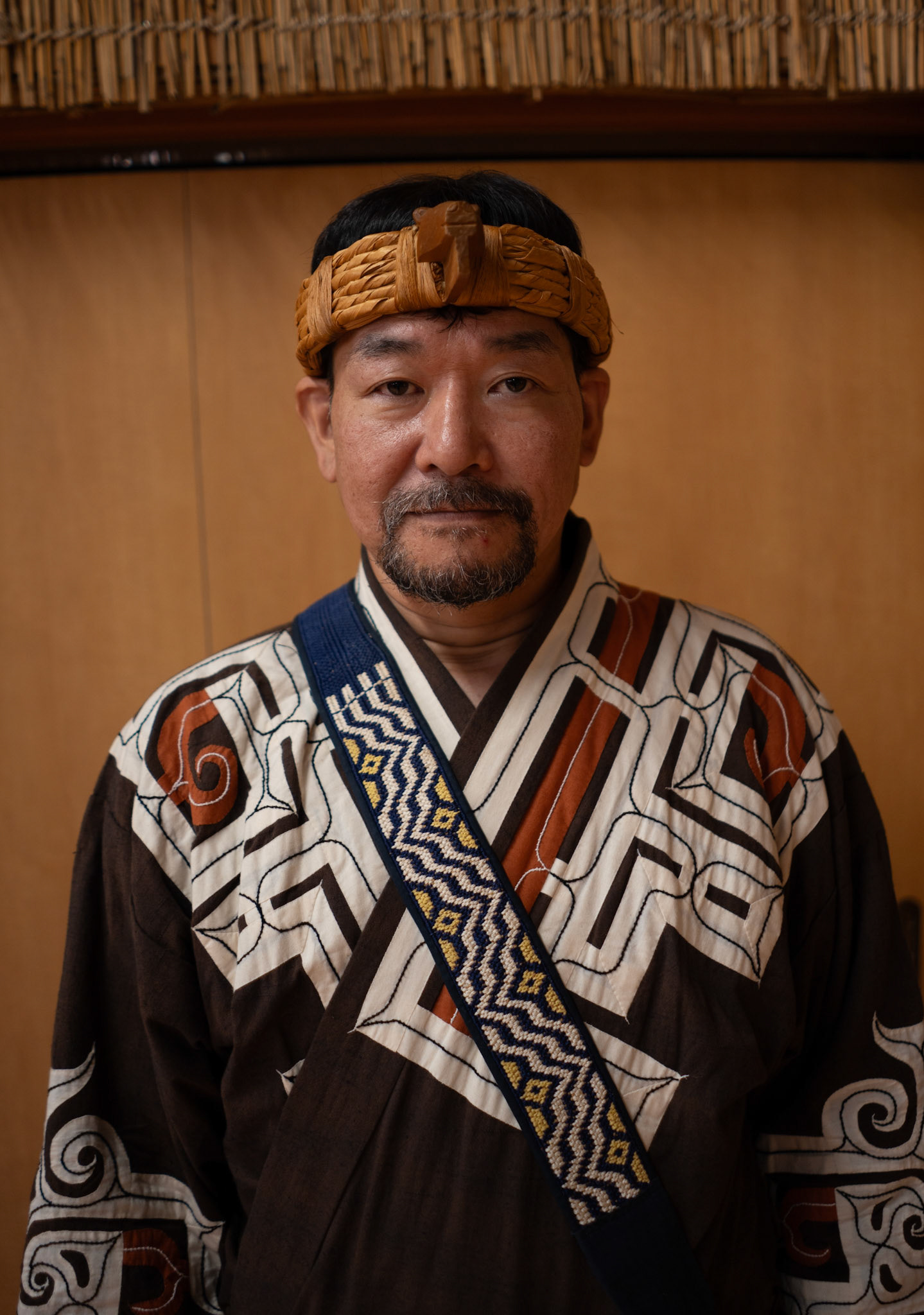

Isle Of The Sky (2026)
Formed over 110,000 years ago by a massive volcanic caldera collapse, Lake Toya holds profound spiritual significance for the Ainu people, who revered its pristine waters and mist-shrouded central islands as sacred domains inhabited by kamuy (nature deities) governing fire, water, and mountains, viewing the floating landscape suspended between the earth and the heavens, like an isle of the sky.
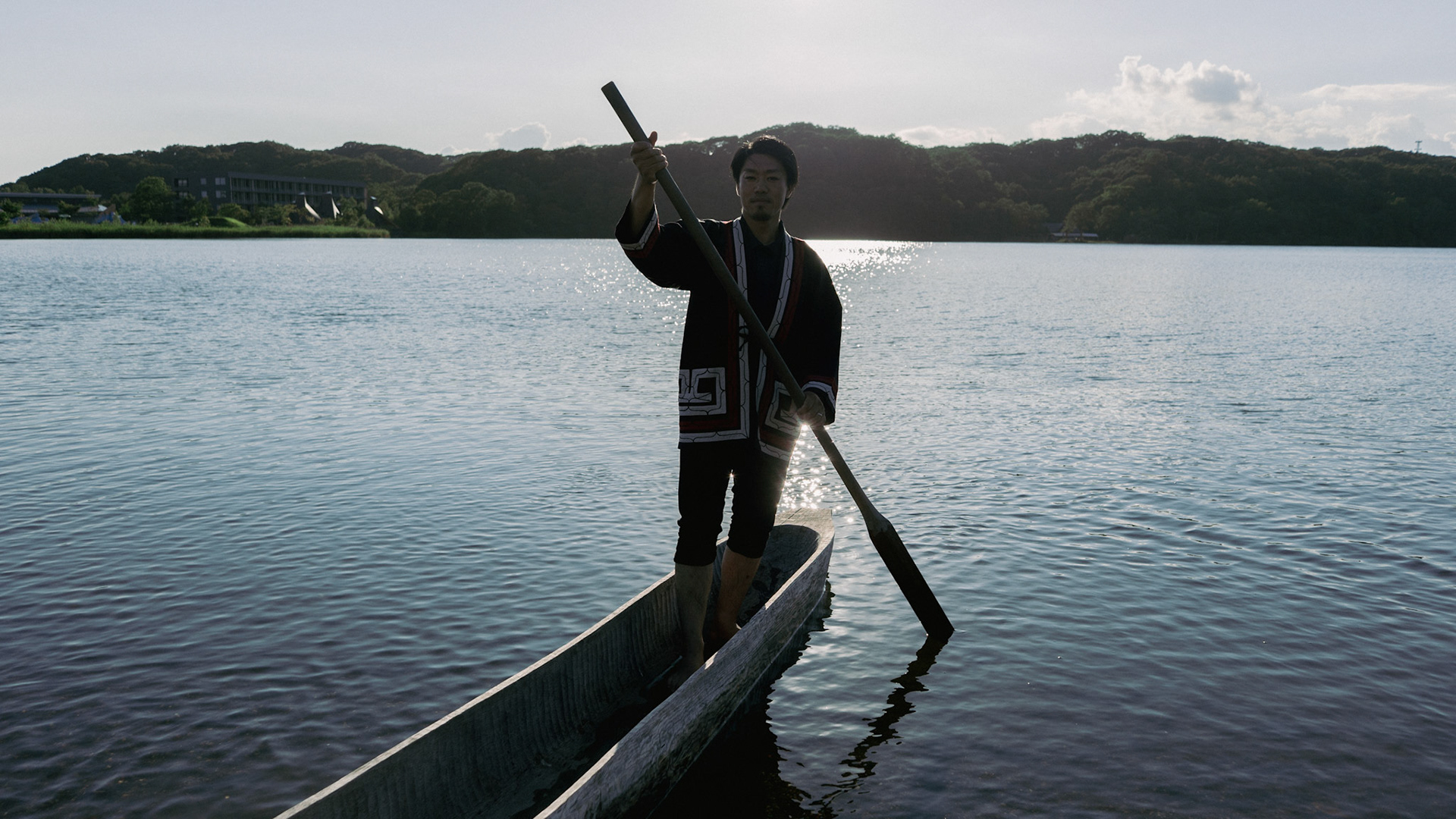
Constructed by hollowing out large tree trunks using fire and adzes, traditional Ainu dug-out canoes, known as chip or cips, were essential watercraft crafted for navigating rivers and coastal waters during fishing and trading expeditions.

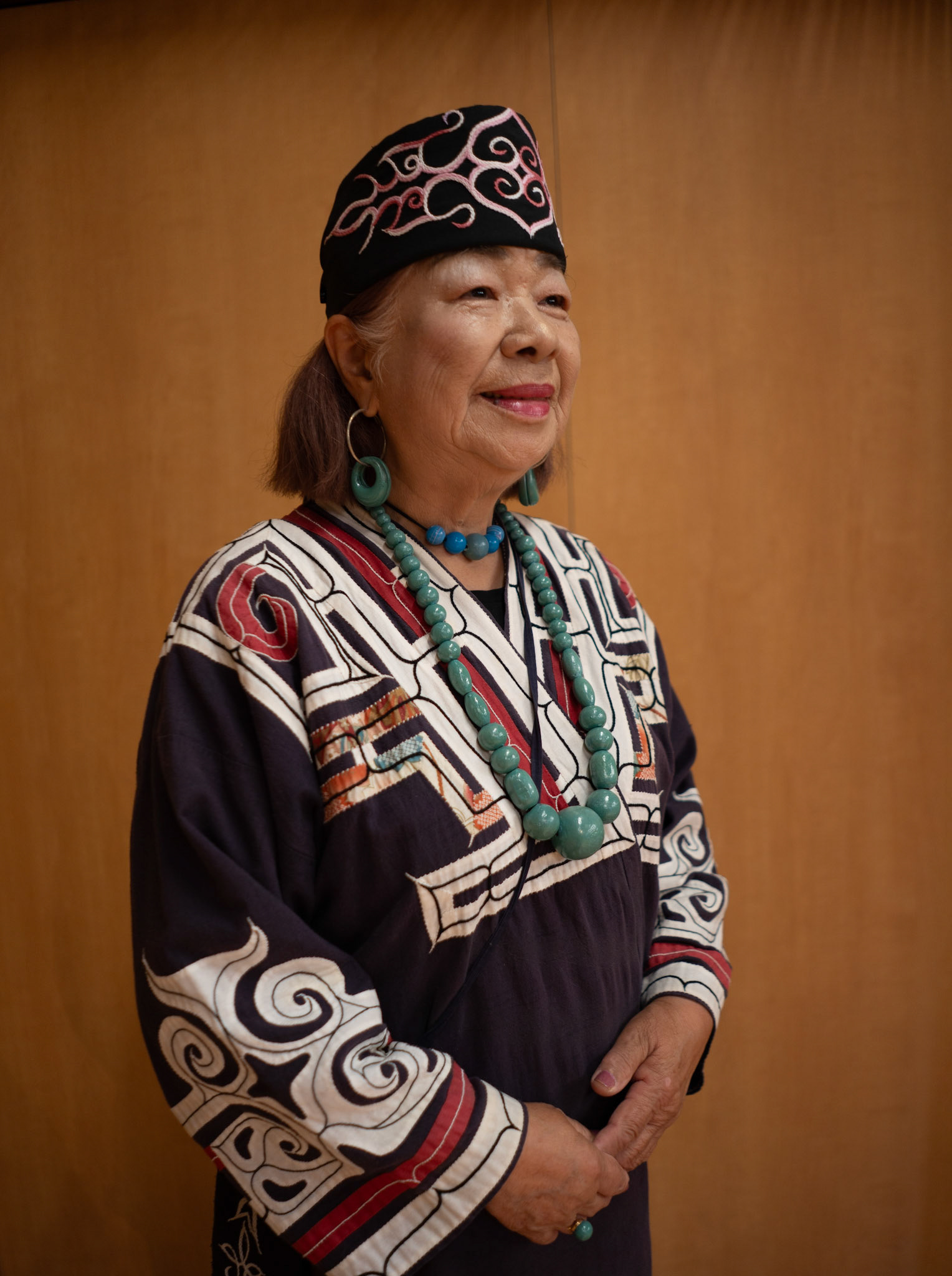
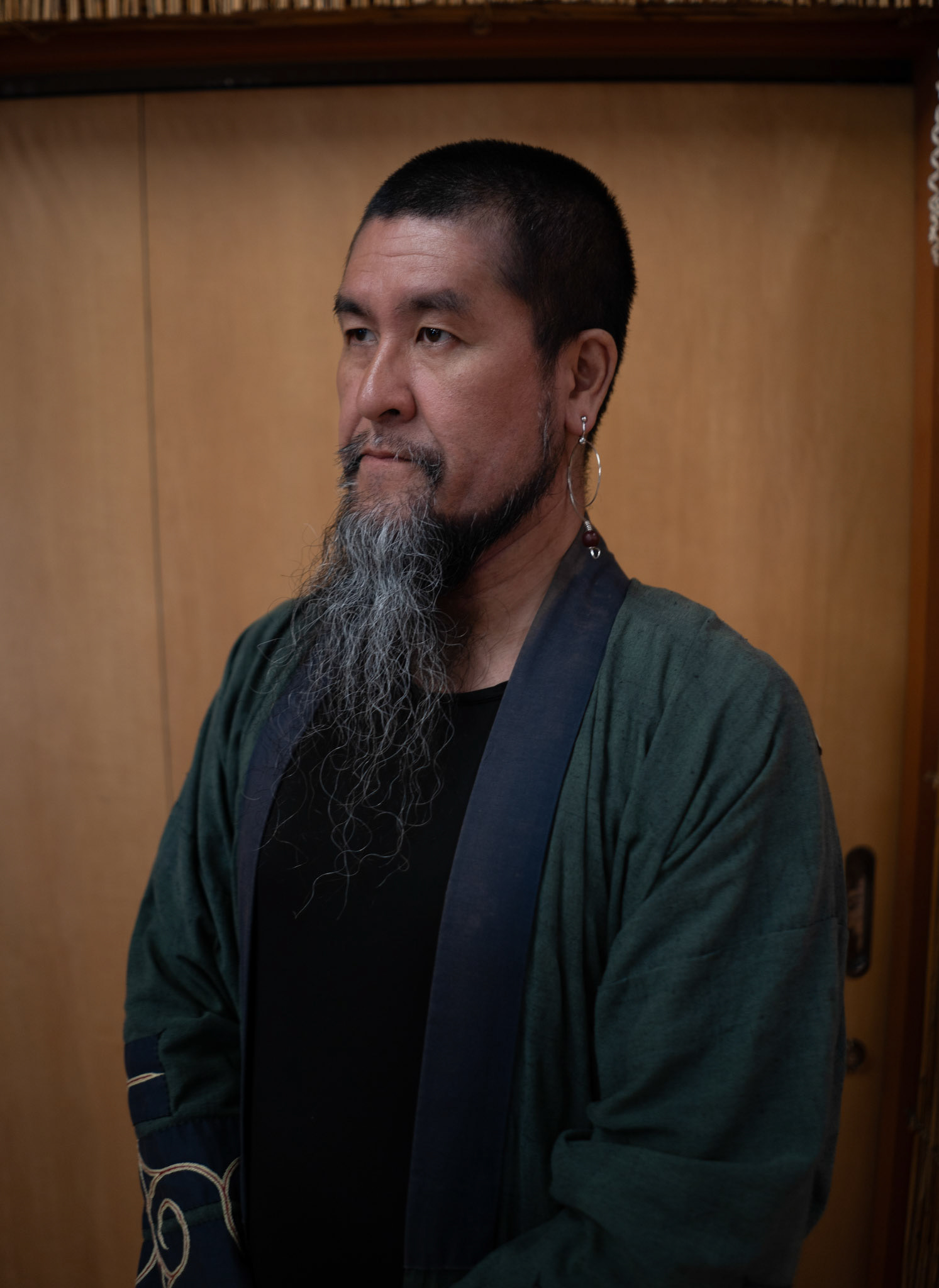
Mr. Masahiro Nomoto serves as the Executive Director of the National Ainu Museum within the Upopoy complex in Hokkaido. Born in Shiraoi Town in 1963, Nomoto has deep roots in the region and brings extensive experience in Ainu heritage, having previously directed the former private Ainu Museum in Porotokotan and managed culture promotion for the Foundation for Ainu Culture. Alongside his administrative leadership, he is an accomplished artisan and researcher who has curated numerous domestic and international exhibitions, including crafting a traditional Ainu ocean-going boat for the Smithsonian National Museum.
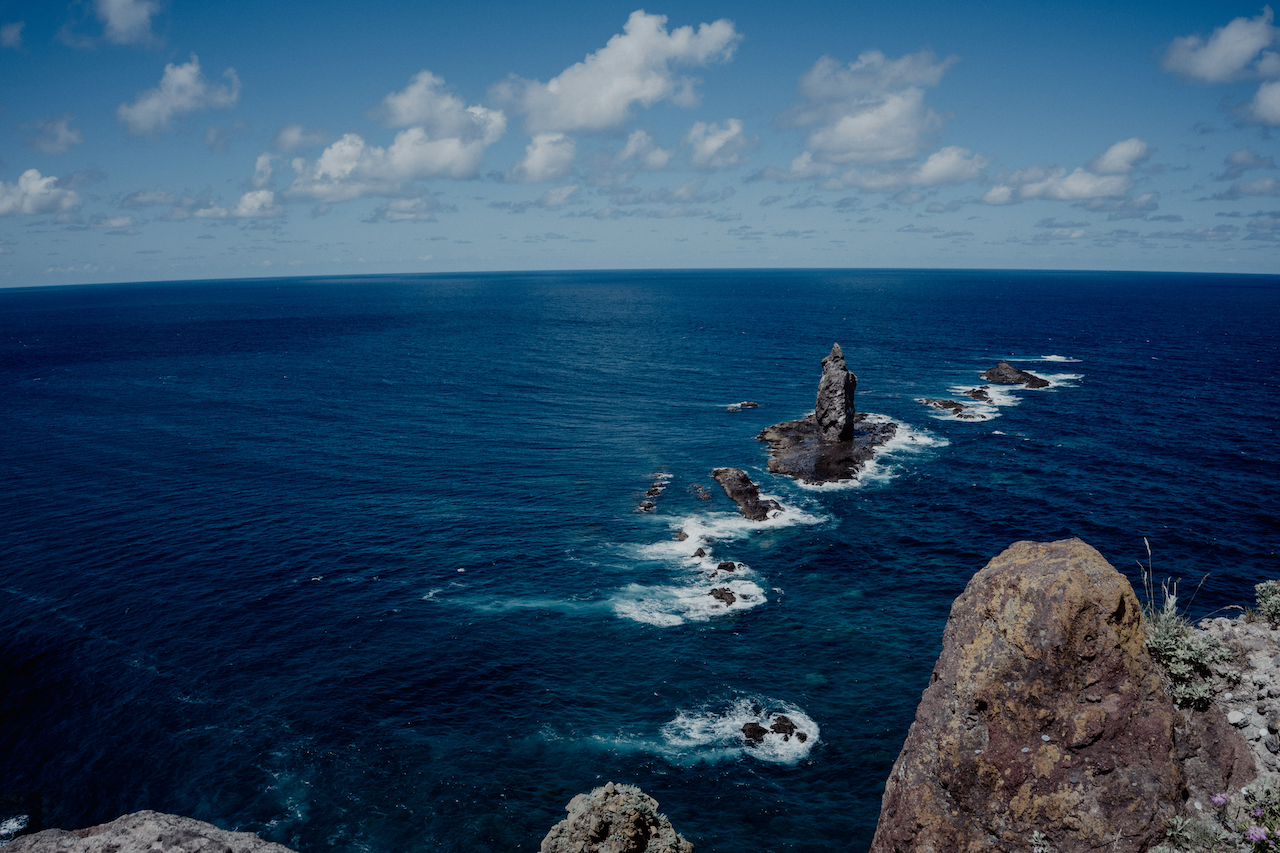
According to the Charenka legend, Charenka, the daughter of an Ainu chief, fell in love with Minamoto no Yoshitsune, a famous 12th-century Japanese warrior and historical figure. When Yoshitsune sailed away from Cape Kamui, she followed him but found he had already left. Heartbroken, she threw herself into the sea and was said to have become Kamui Rock.
The legend says that, in her grief and anger, she cursed ships carrying women, believing they would suffer the same fate. This was used to explain the old tradition of “nyonin kinsei” — women being forbidden from entering Cape Kamui, because it was believed their presence could bring danger to ships.
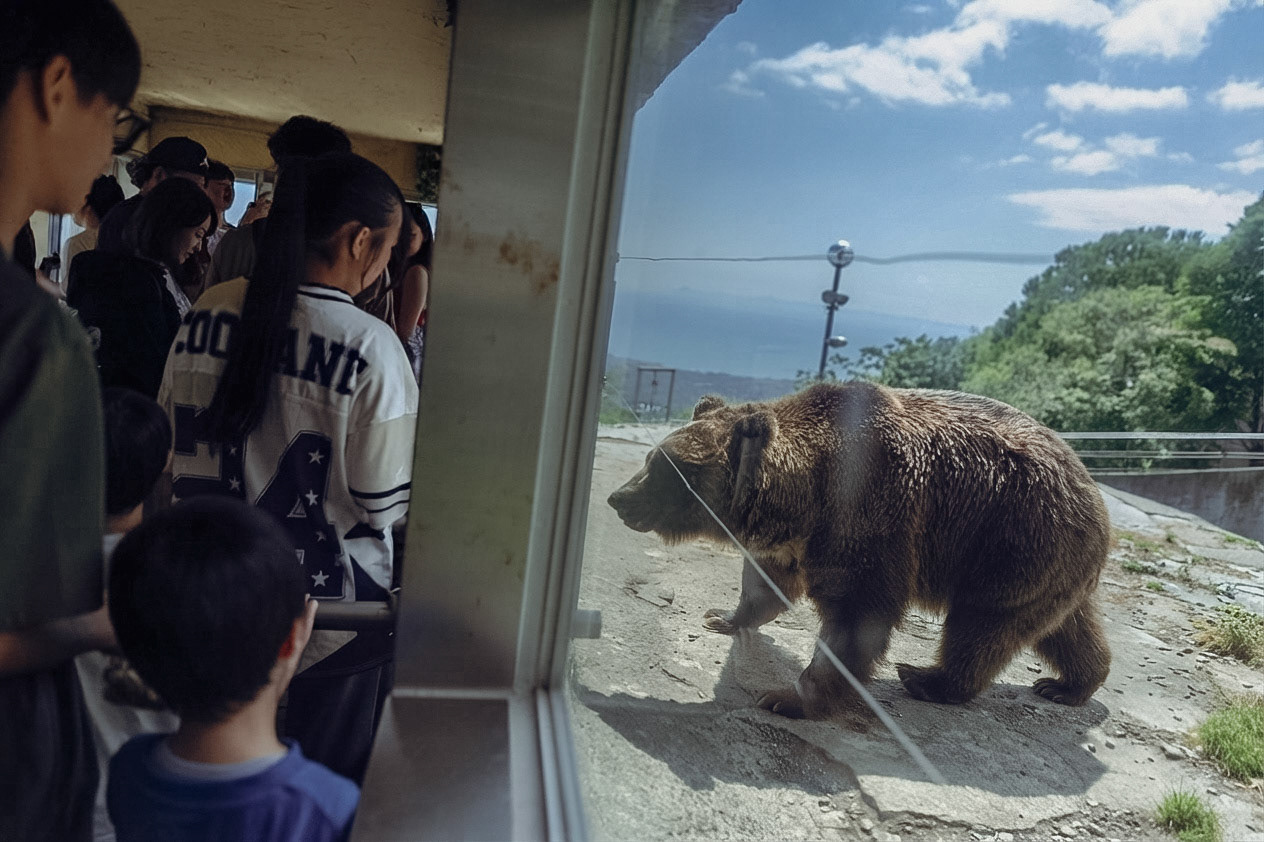
Captured at Hokkaido’s Noboribetsu Bear Park, this majestic Ezo brown bear- one of Japan’s largest and most powerful apex predators, embodies the awe-inspiring raw strength of the northern wilderness. In indigenous Ainu tradition, this magnificent creature is revered as Kim-un-kamuy, the divine God of the Mountains, symbolizing courage, protection, and a deep spiritual connection to nature.
Tokyo, Japan
Arriving in Tokyo next feels like stepping into the bustling heart of this journey, shifting the rhythm from the quiet expanse of the north straight into the electric pulse of the capital. Making my way down to this sprawling metropolis provides a striking contrast to Hokkaido's indigenous roots, anchoring my travels in the dynamic urban energy of the city I now call home, where I will experience the amazing transportation system and great urban planning firsthand. Here, I will dive deep into contemporary social challenges by exploring the declining birth rate and talking directly with locals and experts about the pressing demographic and systemic issues currently facing Japan.
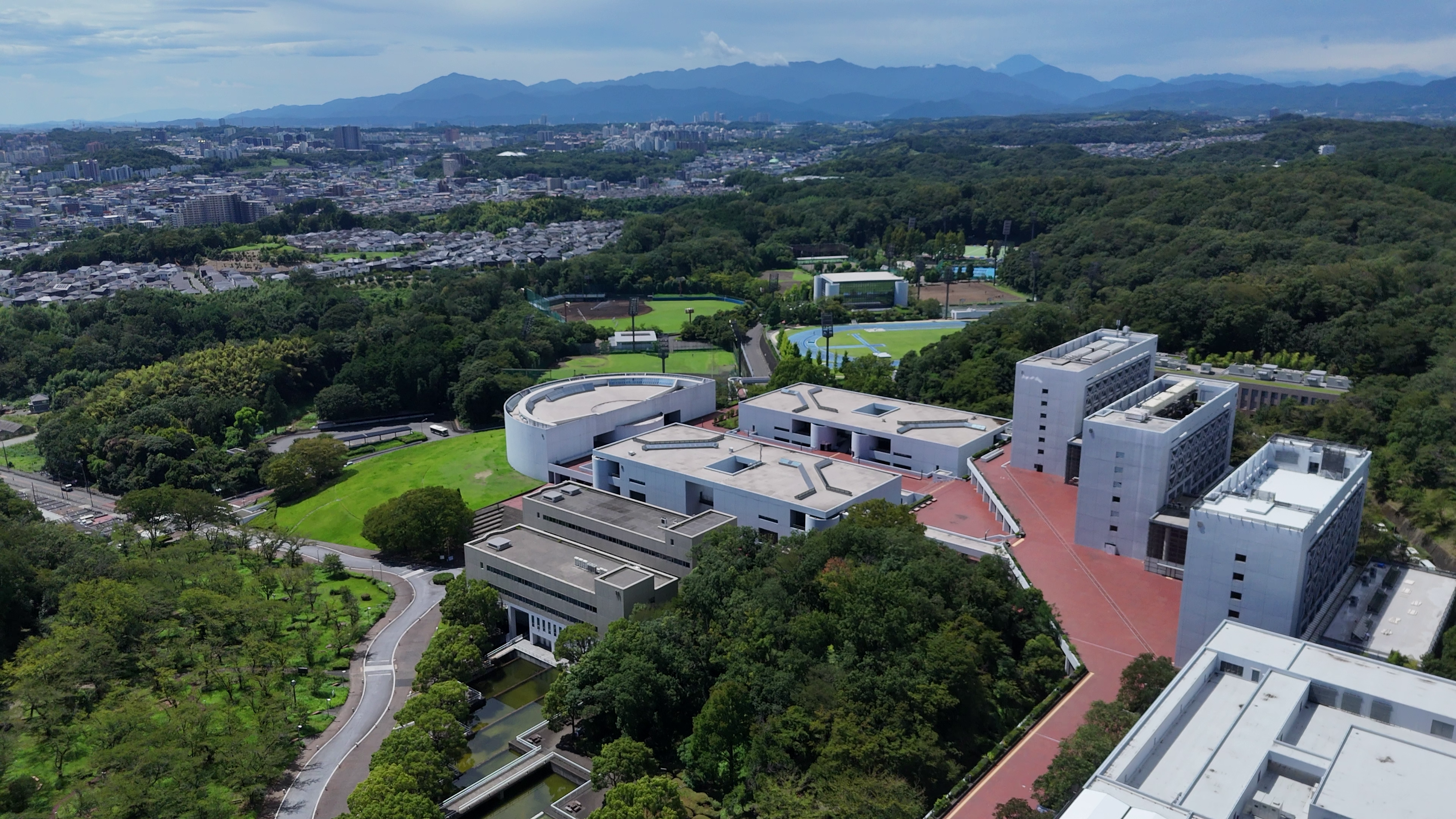
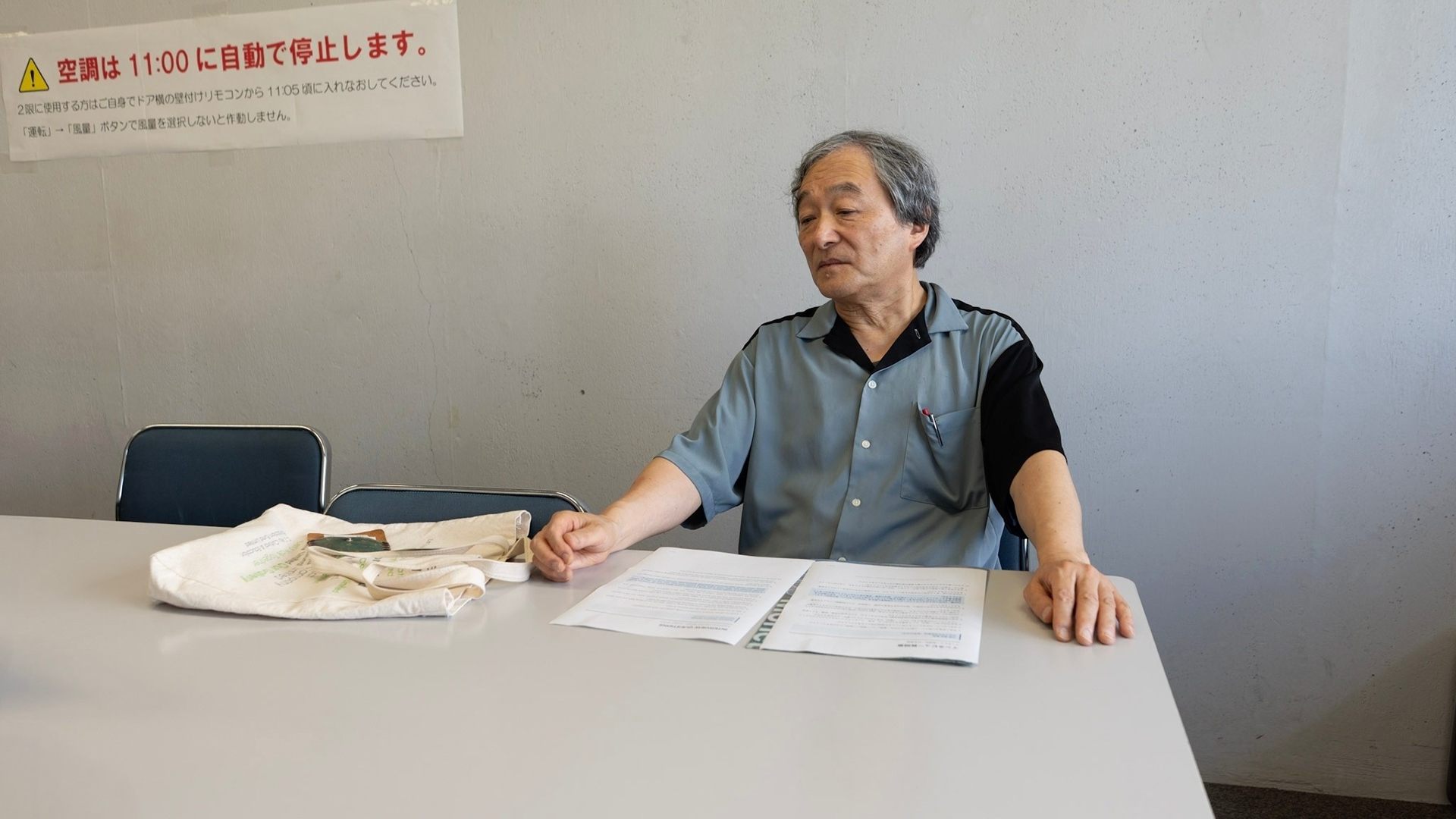
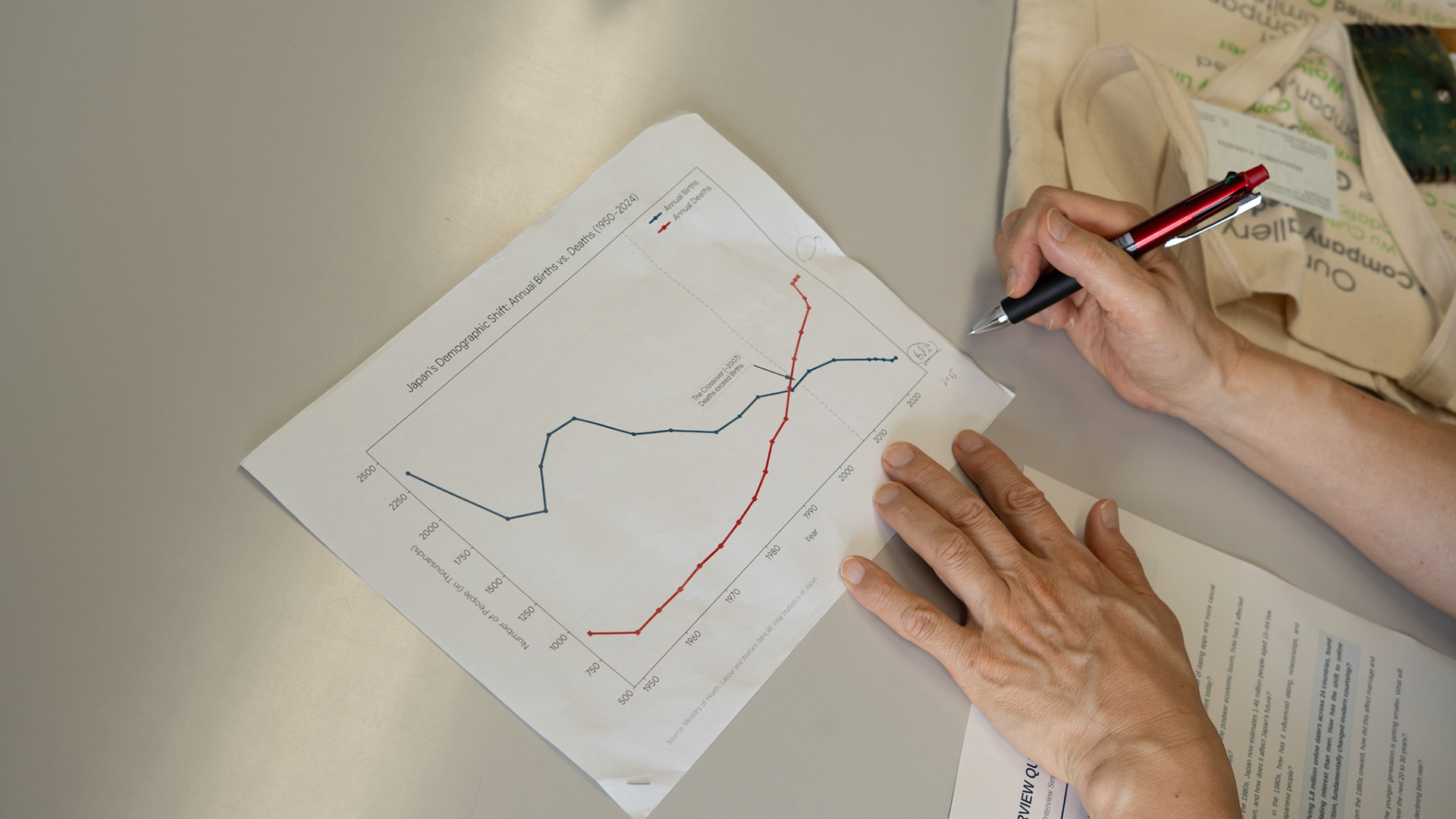
In this interview for the documentary Between Gods And Glass, Japanese sociologist Professor Masahiro Yamada reflects on five decades of research into Japanese family life. He is best known for coining the terms "parasite singles" (young adults who remain financially dependent on their parents) and "konkatsu" (marriage hunting).
Yamada argues that Japan's dramatically low birth rate is driven primarily by economic factors rather than work culture or the rise of women in the workforce per se. During the high-growth era, most young people could realistically hope to marry and raise children in relative prosperity. As growth slowed and economic inequality among the young widened, a large cohort of men with stagnant or precarious incomes found themselves effectively shut out of the marriage market. Women, for their part, continue to seek economic security in a spouse while often directing romantic or emotional energy toward idols, celebrities, and "oshikatsu" (fan culture surrounding favorite idols).
The conversation also covers the growth of hikikomori (severe social withdrawal), which Yamada links to a broader "expectation gap" or loss of hope for upward mobility, especially among non-regular workers. He notes distinctive East Asian patterns of prolonged parental support for unmarried adult children (the so-called 80-50 and 70-40 problems). Online dating remains less central in Japan than in the West and is often split between marriage-oriented and casual platforms; many young women prefer shared fan activities with same-sex friends over app-based dating. Looking ahead, Yamada sees Japan gradually becoming poorer, a reality ordinary citizens are reluctant to acknowledge.
Yamanashi, Japan
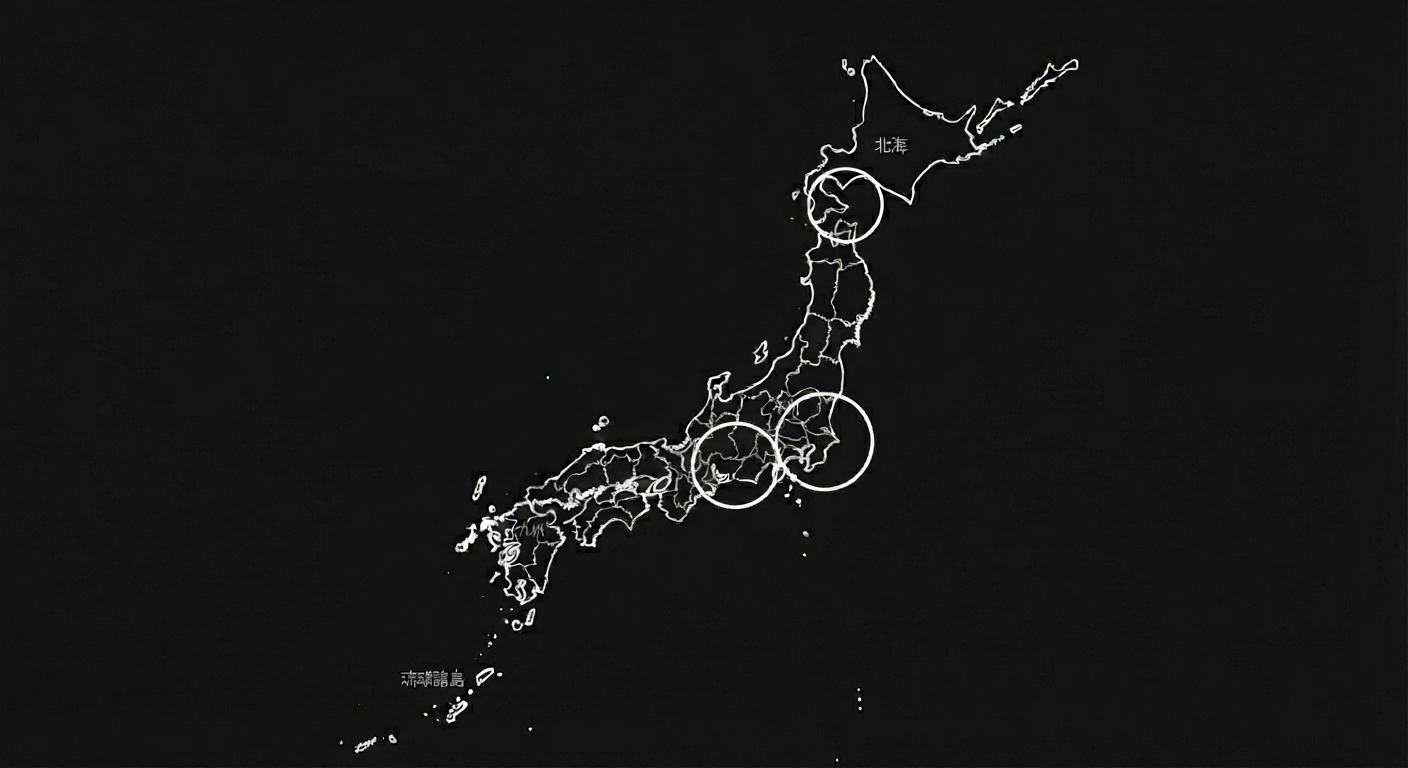
Venturing beyond the capital into the mountainous landscapes of Yamanashi, I witness firsthand the quiet realities of rural Japan, particularly the growing prevalence of akiya (abandoned or vacant houses) stemming from regional depopulation. Exploring these countryside towns reveals both the scale of rural abandonment and the innovative wave of adaptive reuse, where creative locals and newcomers are converting empty traditional spaces into vibrant community hubs, cafes, and artisan workshops. Witnessing these abandoned structures given a second life offers a powerful look at how rural communities are reimagining their architectural heritage to breathe new economic and cultural vitality into the region.
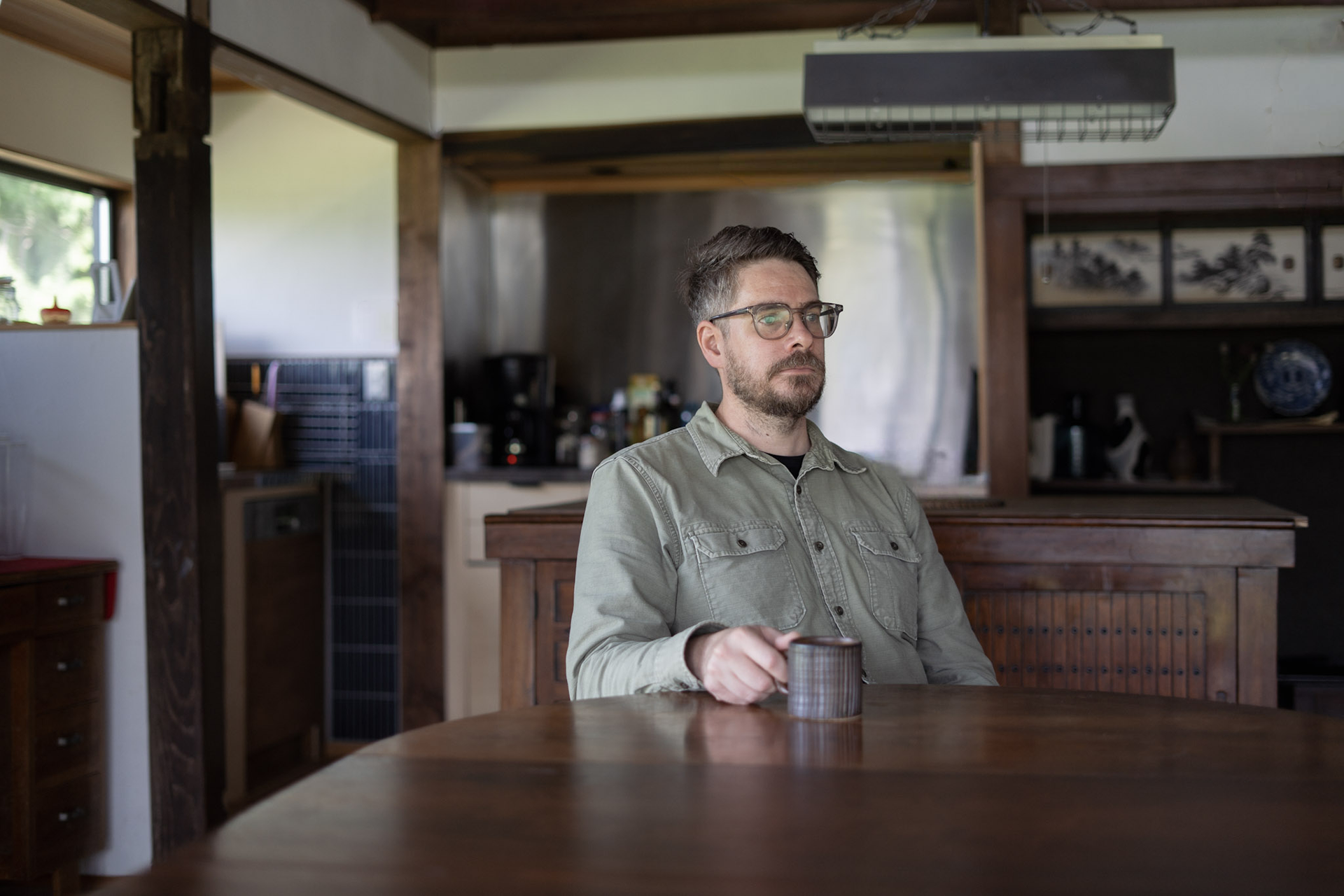
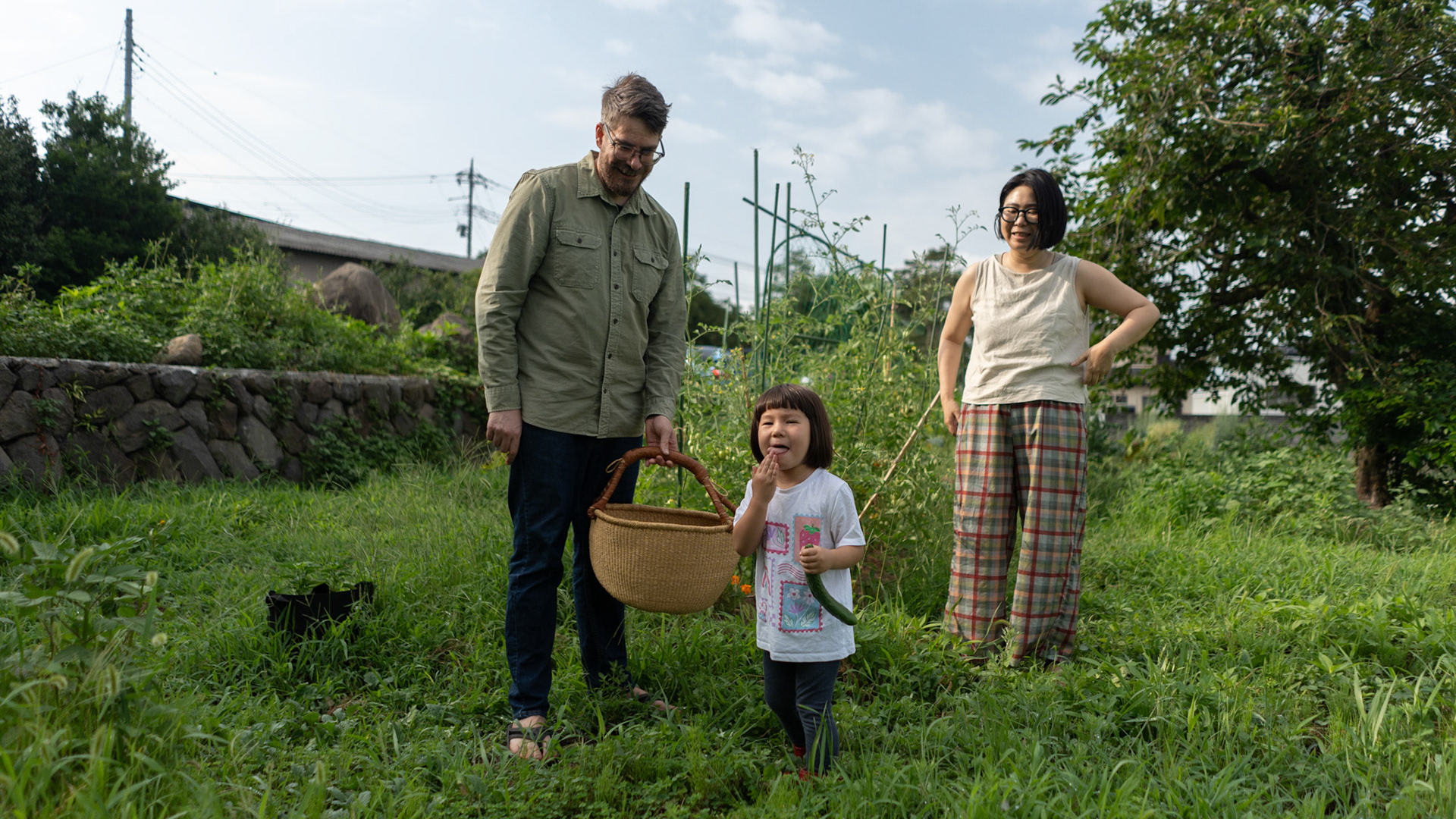
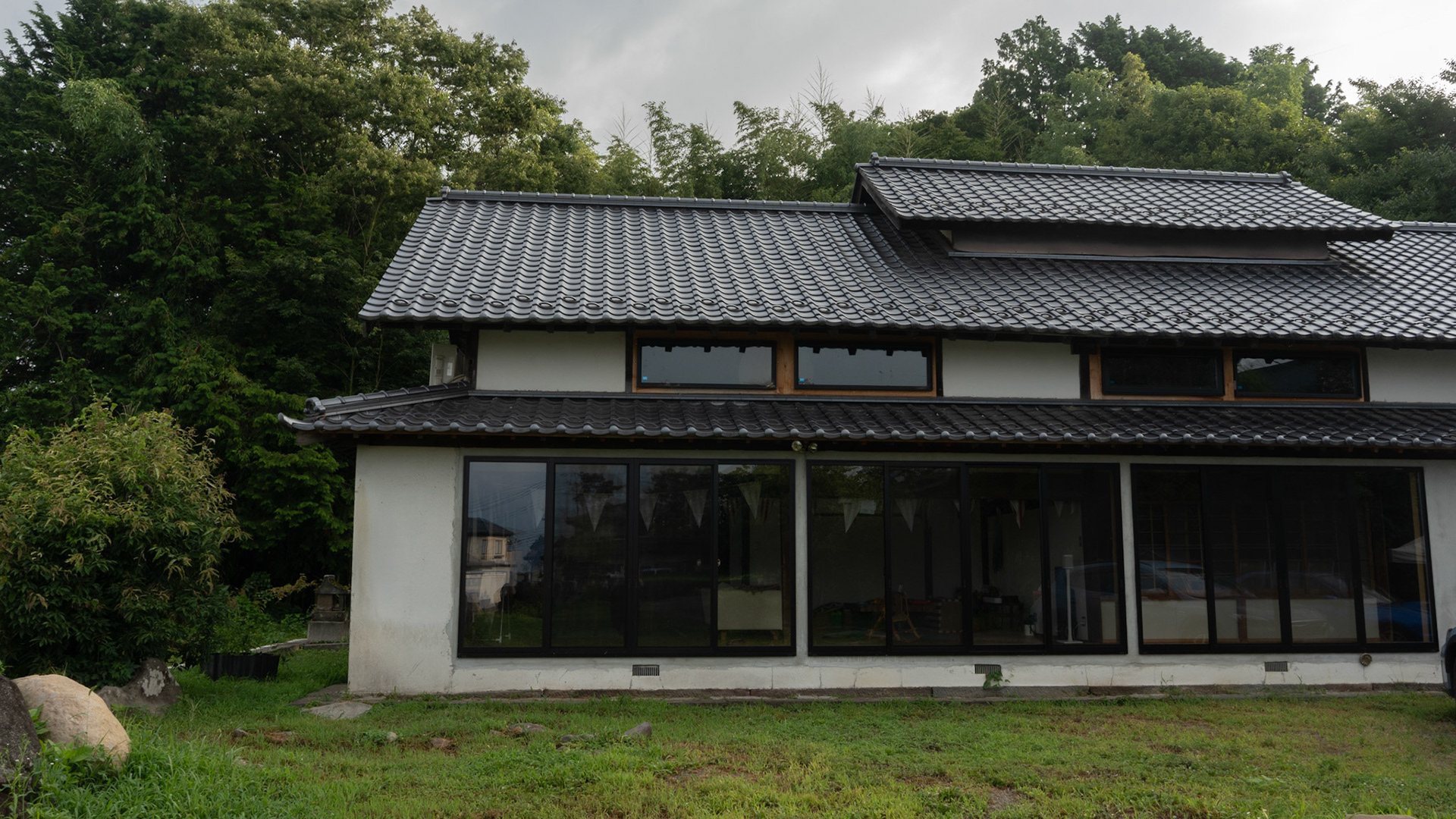
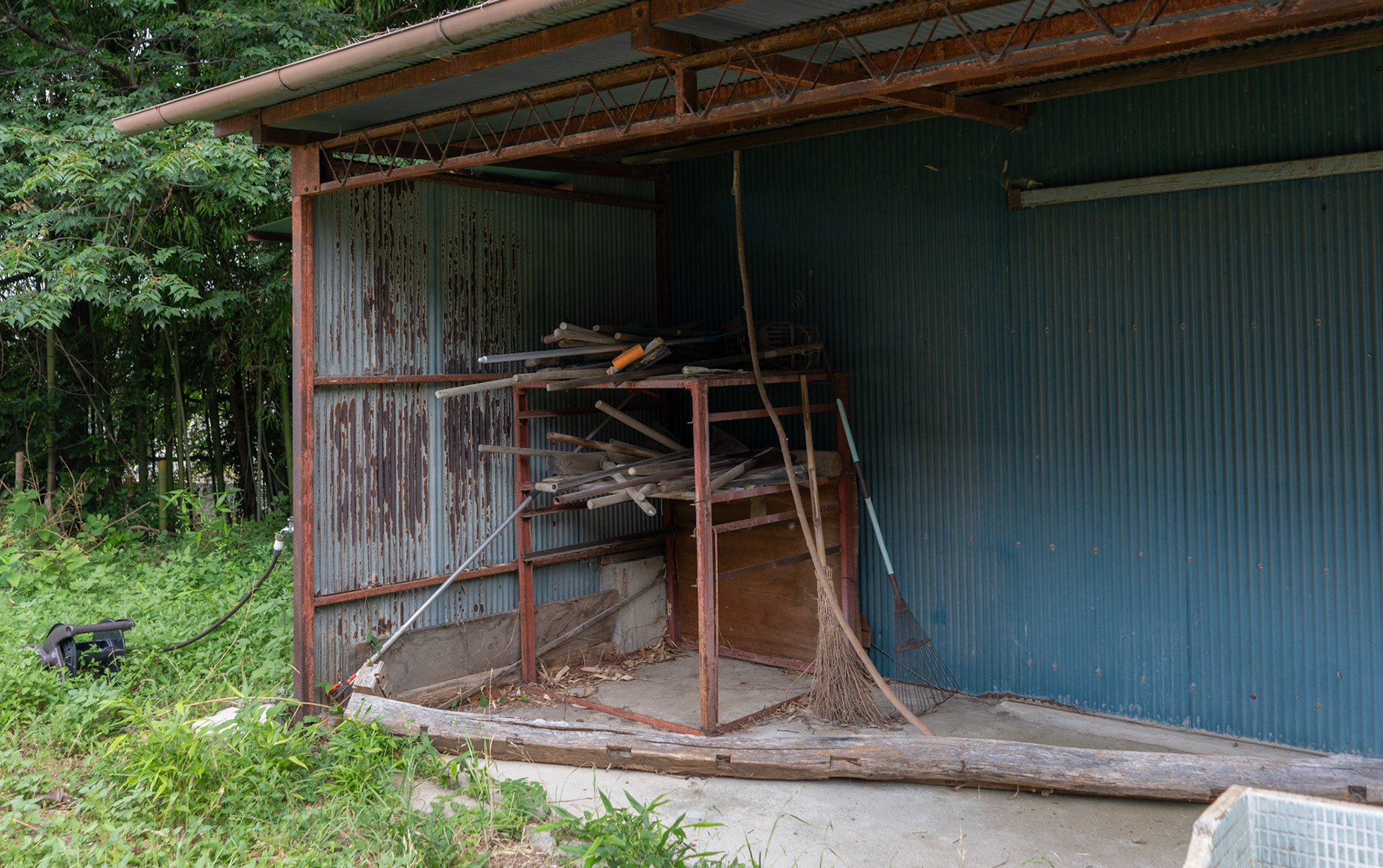
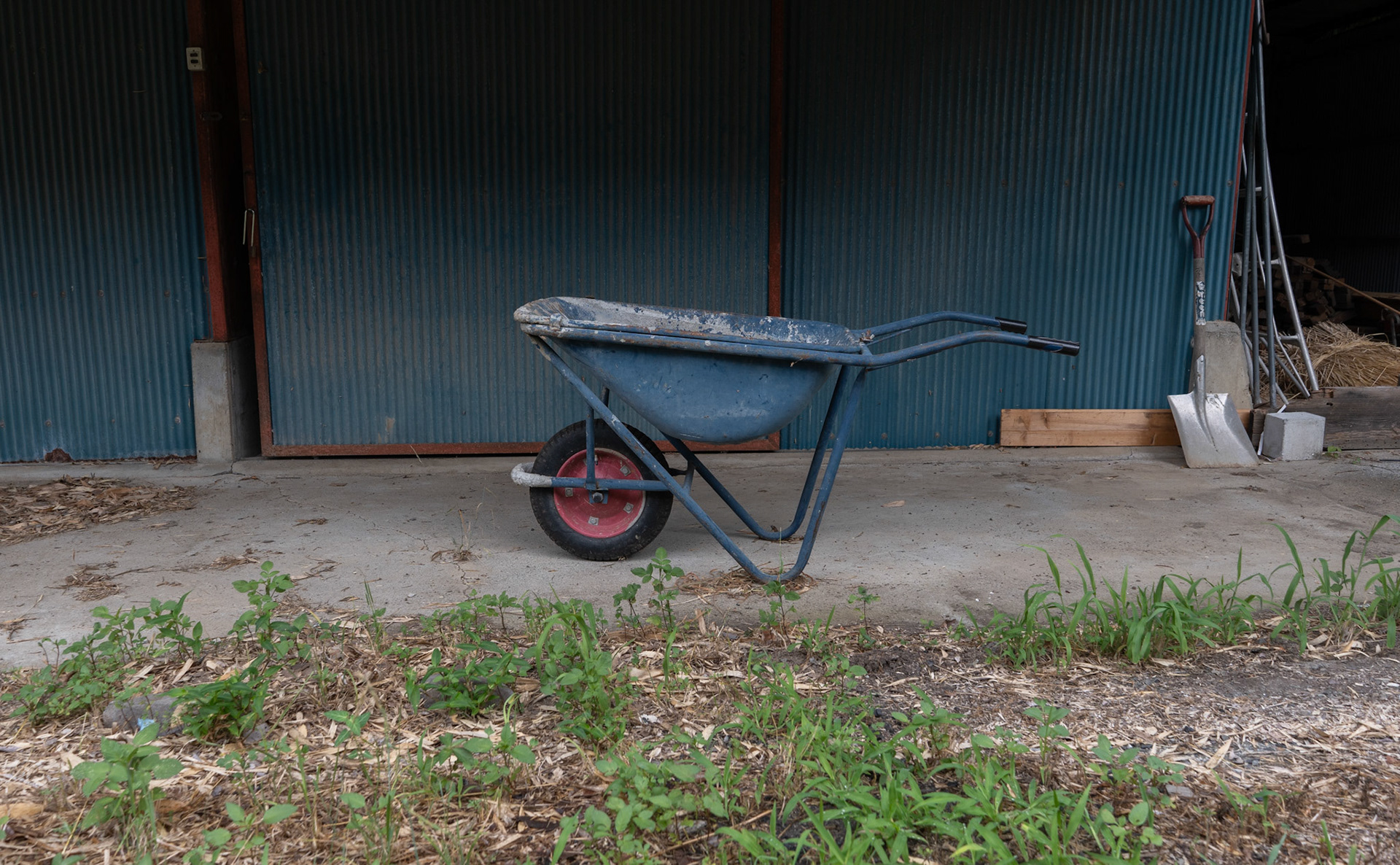
Ten years ago, Tim left Perth to build a new life in Japan, eventually trading the fast-paced energy of Tokyo for the quiet countryside of Yamanashi three years ago with his family. Together, they bought an abandoned akiya and have spent the last three years pouring his creative background into a meticulous, hands-on renovation aimed at preserving its original traditional architecture. However, the journey has brought no shortage of challenges, particularly in tackling modern insulation needs and tracking down skilled craftspeople experienced in the nuances of restoring old timber homes.
Kiyosato, Japan
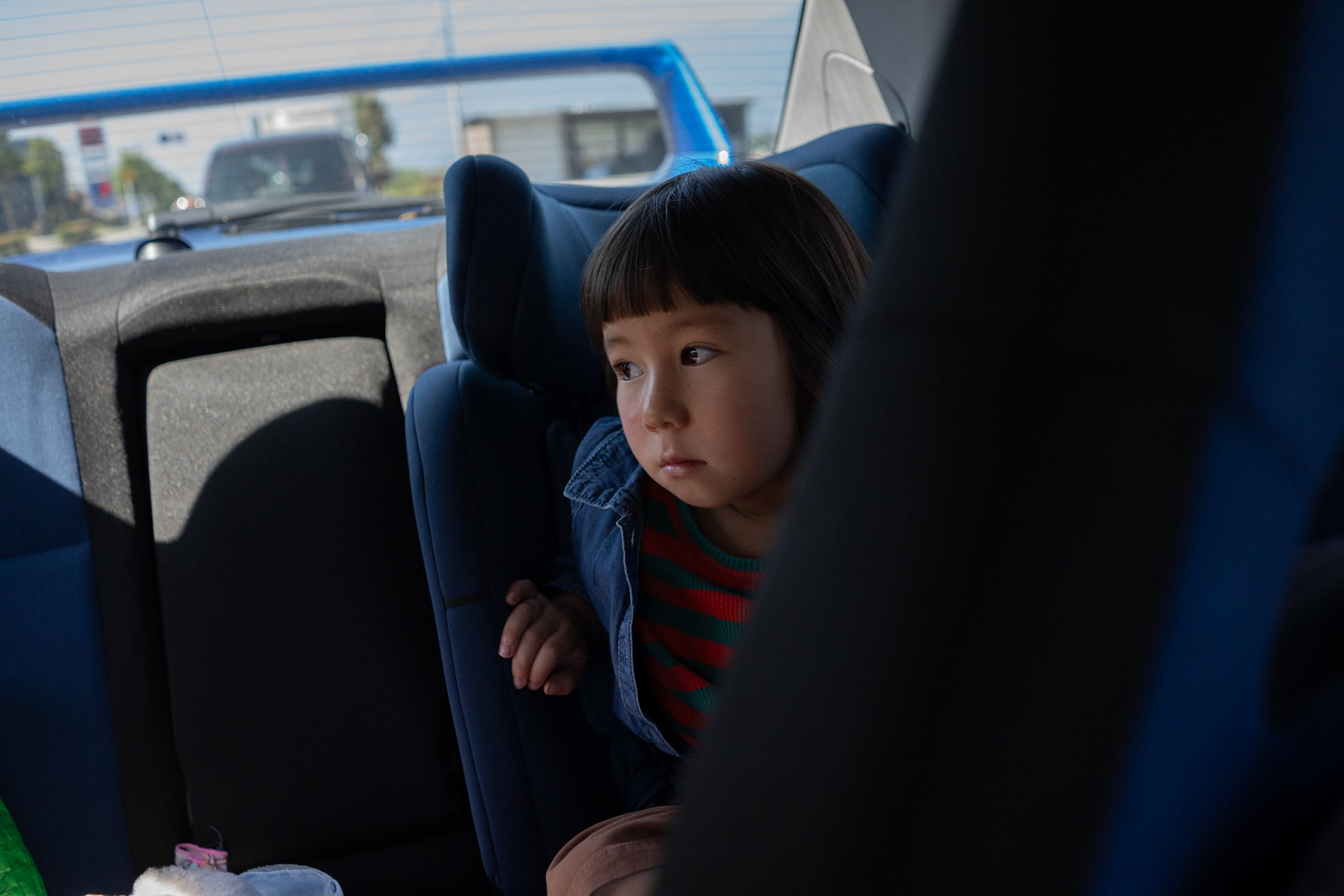
The building was once Takane Kiyosato Elementary School, serving children in the Kiyosato area of Yamanashi. Its history dates back to 1873, and the present school was formed in 1974 through the merger of two local schools. The population around Kiyosato has declined largely because of Japan’s wider rural depopulation, low birth rates and an ageing population. As fewer children were born and younger people moved to larger cities for work and education, the number of children in local schools fell sharply. As the local population declined, the school was closed in March 2019 as part of a wider consolidation of schools in the Takane area.

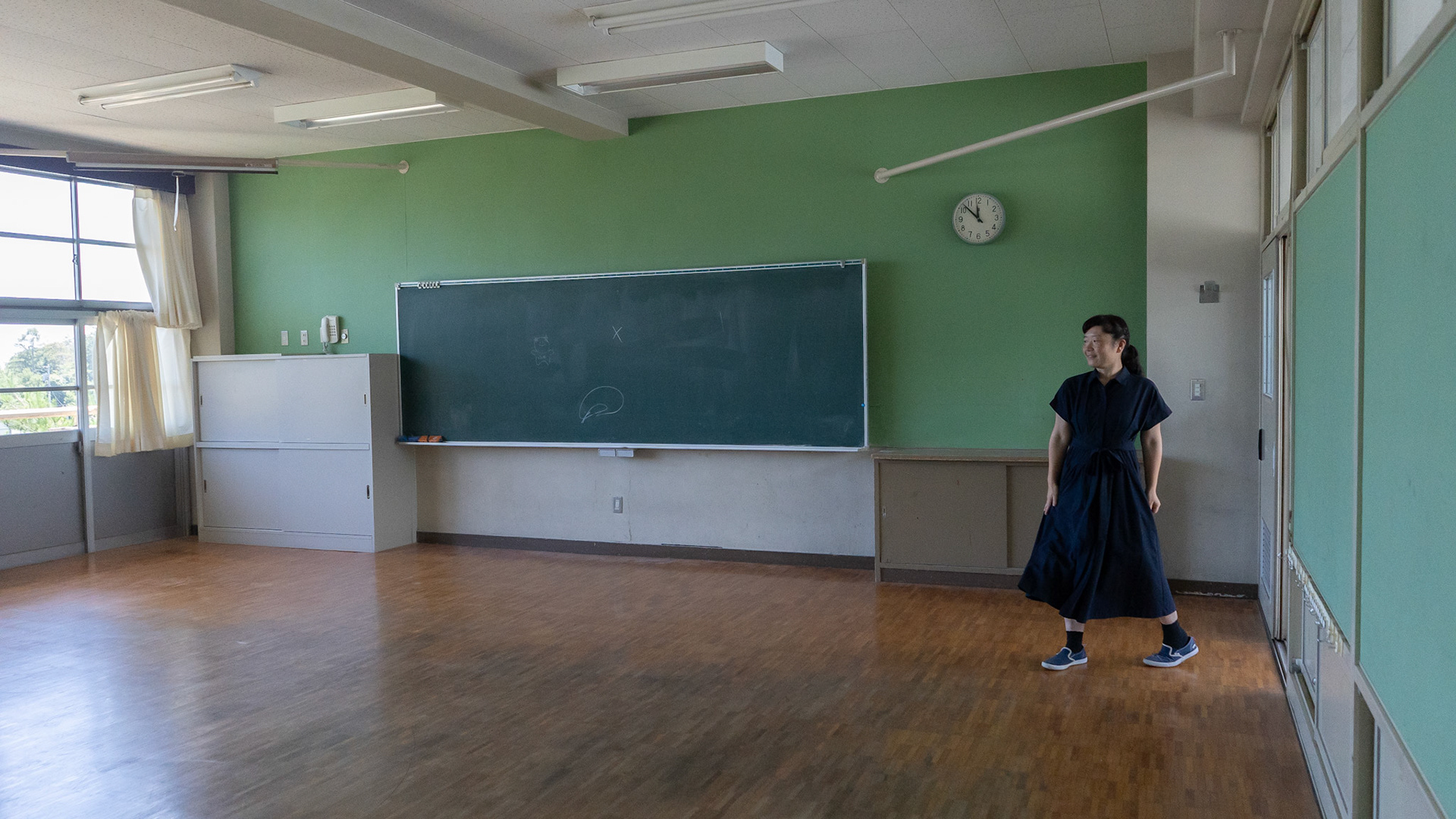
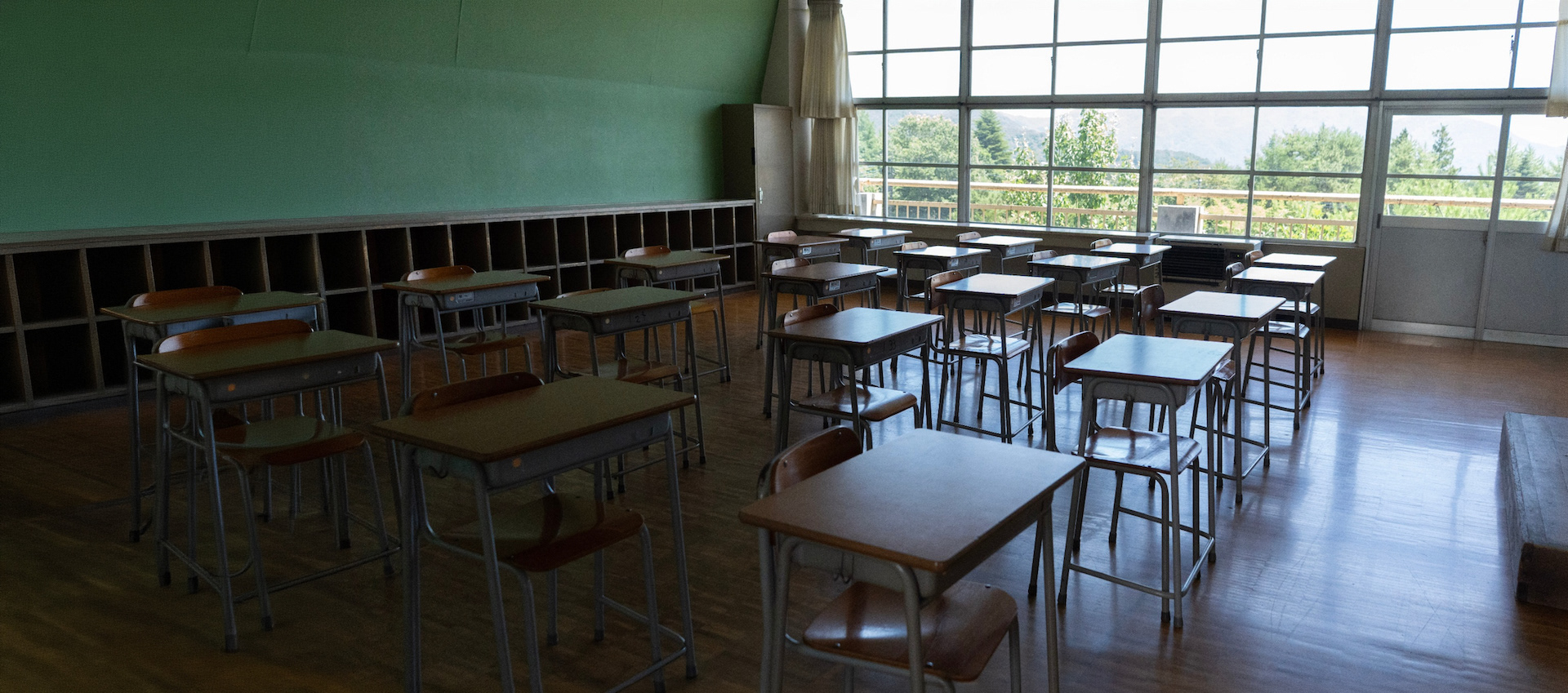
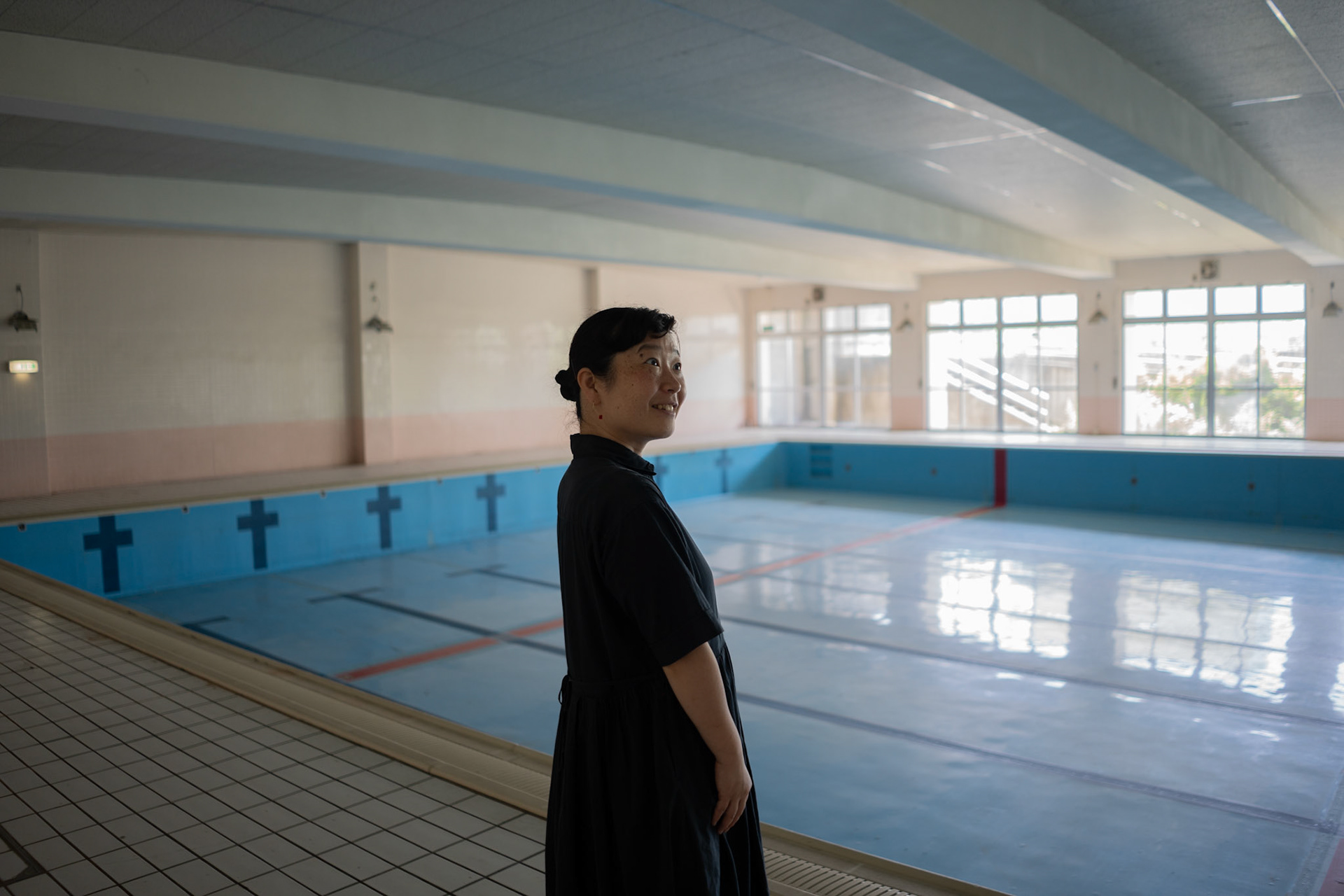
Rather than leaving the building abandoned, it was transformed into Yatsugatake Commons, a multi-purpose community and creative space. Former classrooms are now used as offices, coworking spaces and studios, while the gymnasium is used for sports, dance, events and other activities. The former swimming pool has even been converted into an indoor skateboarding park. It is an interesting example of how an old school can be given a second life, turning a symbol of rural population decline into a space for work, creativity, sport and community.
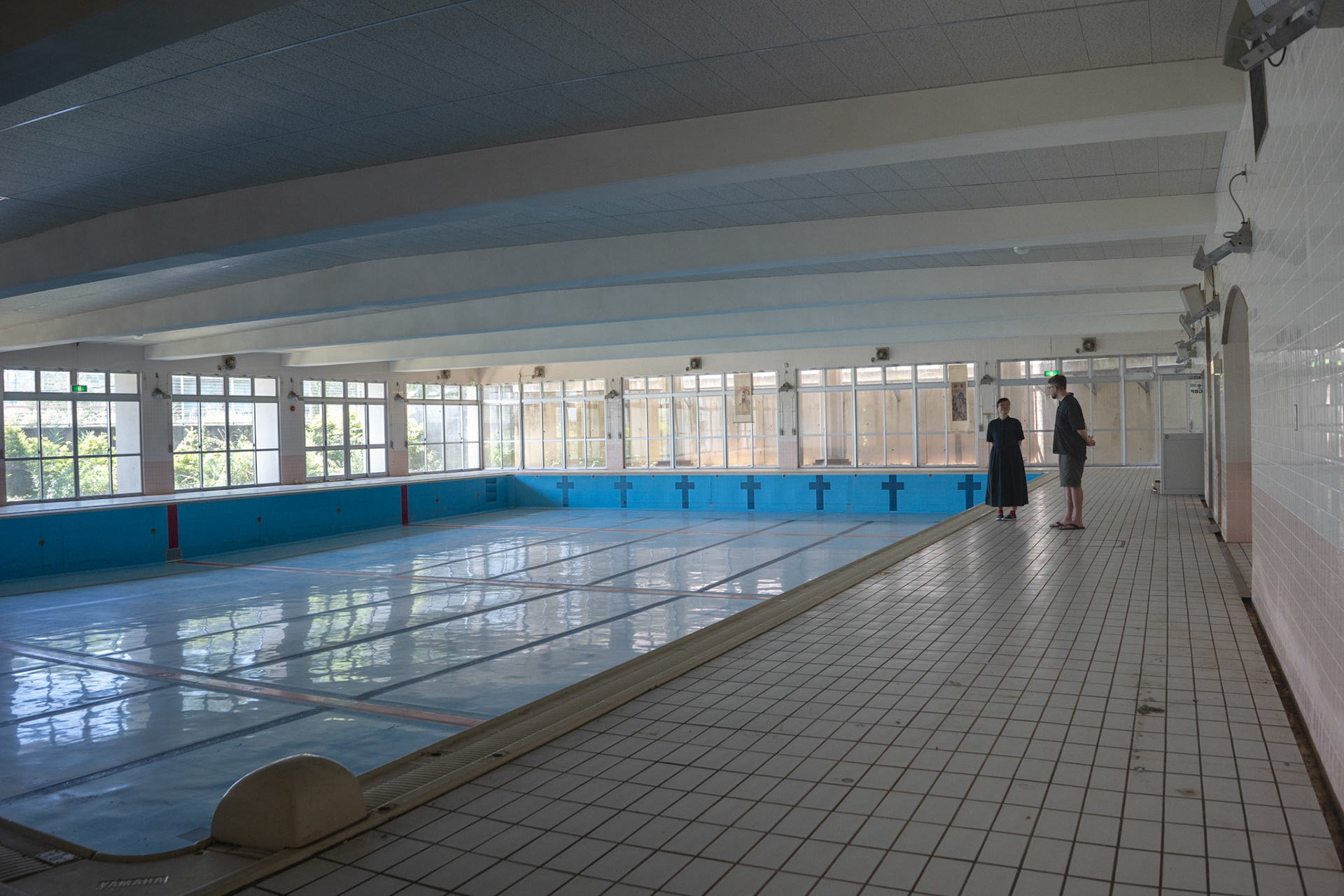
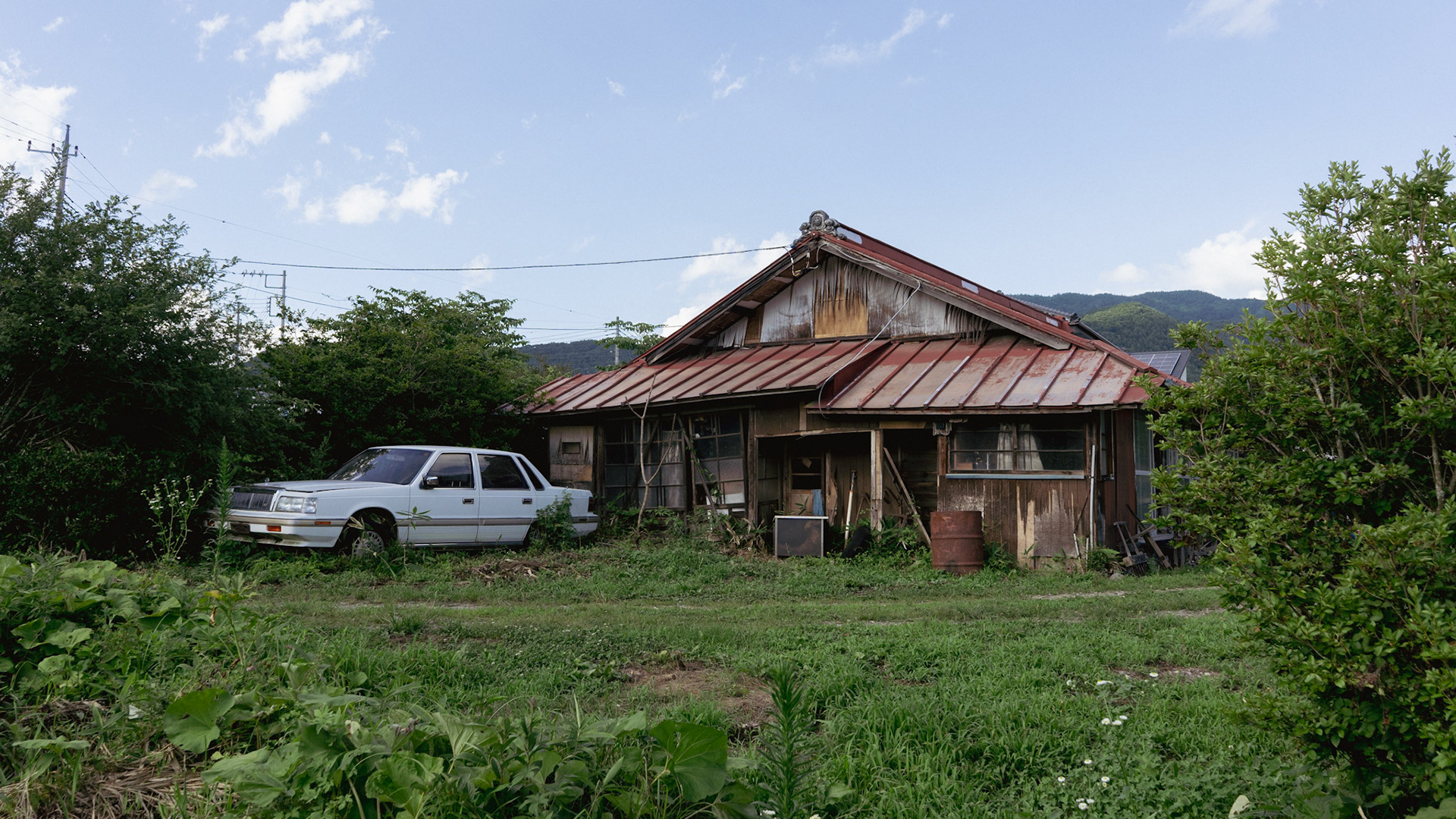
In Japan, akiya (meaning "vacant house") refers to the millions of homes left empty due to an aging population, low birth rates, and a steady migration of younger generations from rural towns to major urban centers like Tokyo and Osaka. Driven further by complex inheritance laws and cultural preferences for newly built homes, these abandoned properties—ranging from neglected rural farmhouses to suburban fixer-uppers—are often sold at steep discounts or even given away for free through municipal "akiya banks". However, while they have gained global attention as bargain real estate opportunities, purchasing an akiya frequently involves hidden costs, including expensive structural renovations, complex legal and ownership disputes, and ongoing maintenance in depopulated areas.