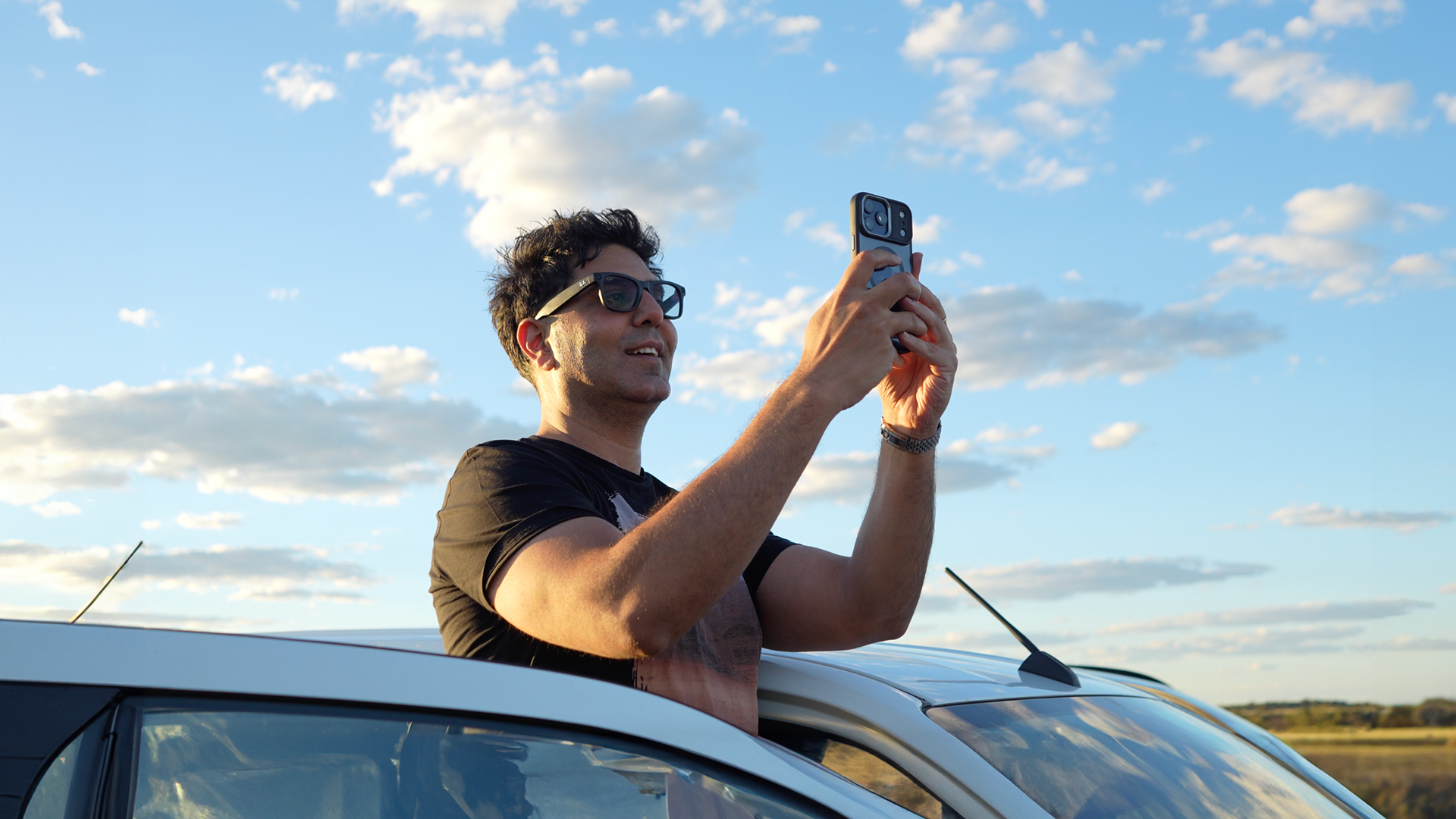
Over two decades ago, a young doctor from Pakistan arrived in one of the world’s most unlikely places: a desert town In the heart of Australia, known as Alice Springs. Today, he is a successful cosmetic physician owning one of the nation's largest doctor-owned clinic chains, having built a thriving business and lifestyle in his adopted country. Fifteen years later, he returns to Alice Springs, the town that shaped his trajectory. He reconnects with old friends while tackling difficult conversations many avoid: housing, migration, and the weight of welcome.
Before Australia, Ehsan grew up in Pakistan, where his formative years were defined by the disciplined landscape of military life. Because his father was an army officer, his family constantly relocated from one city to the next.
"Most of my childhood was spent moving around in different cities of Pakistan in the military cantonments," Ehsan recalls.
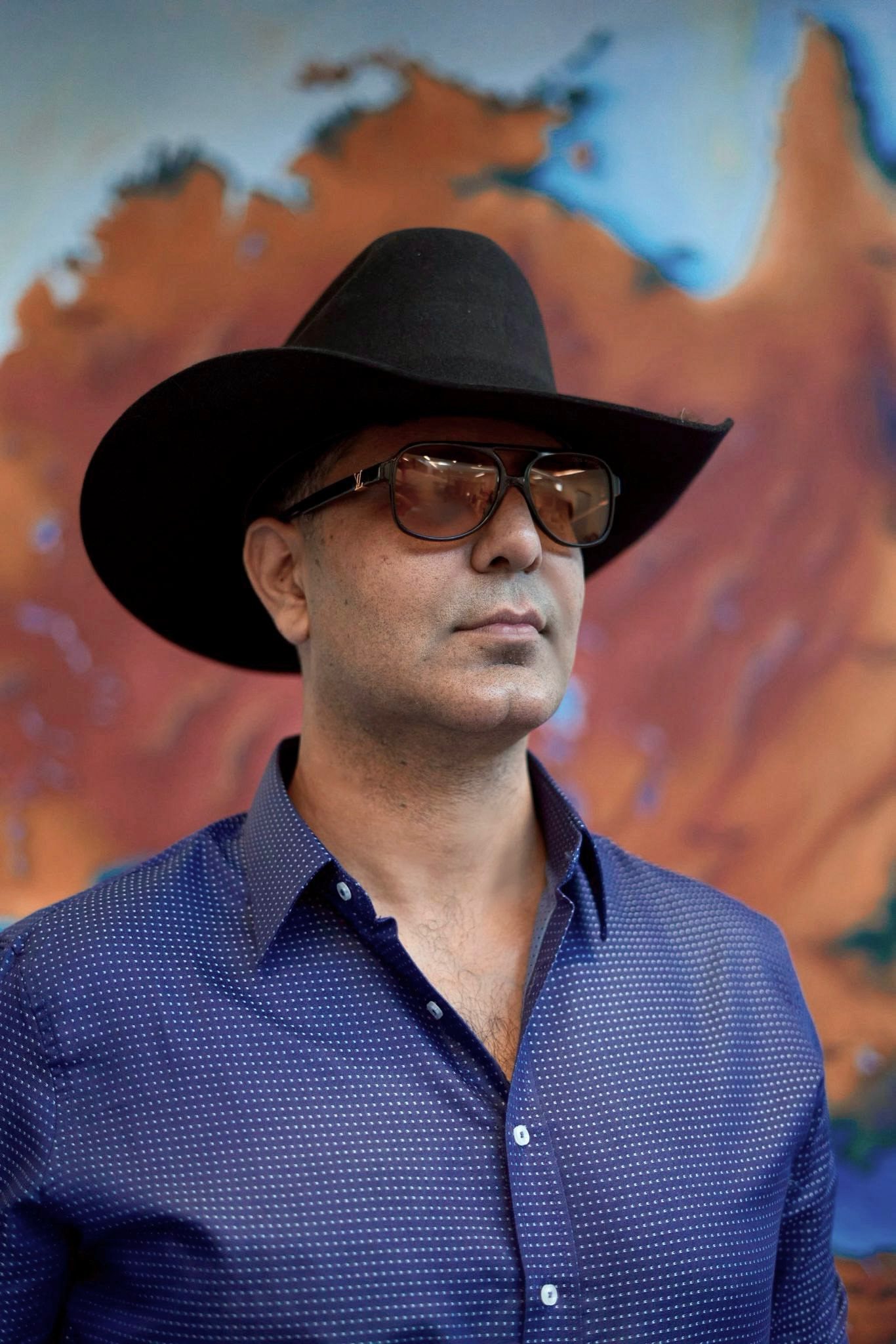
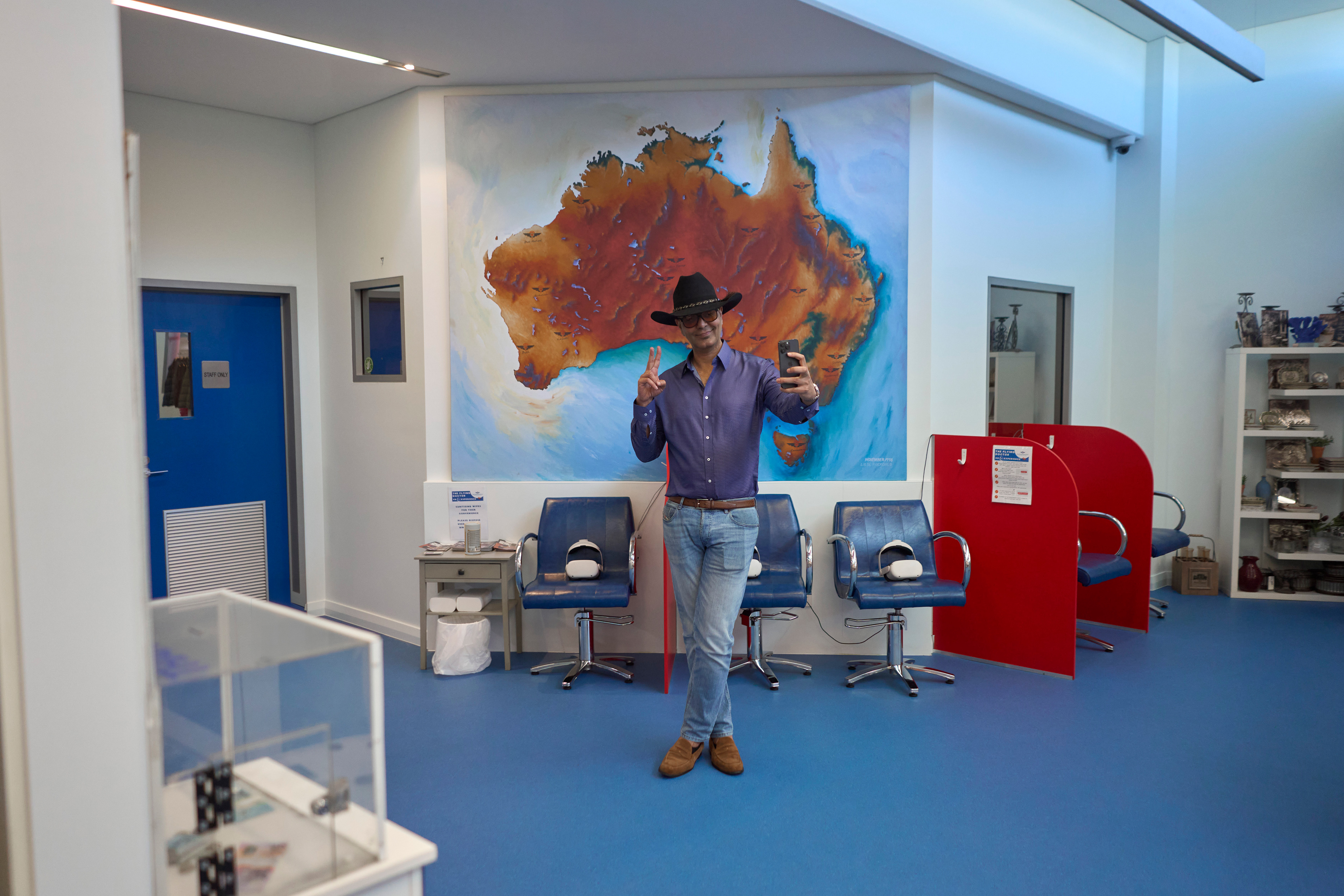
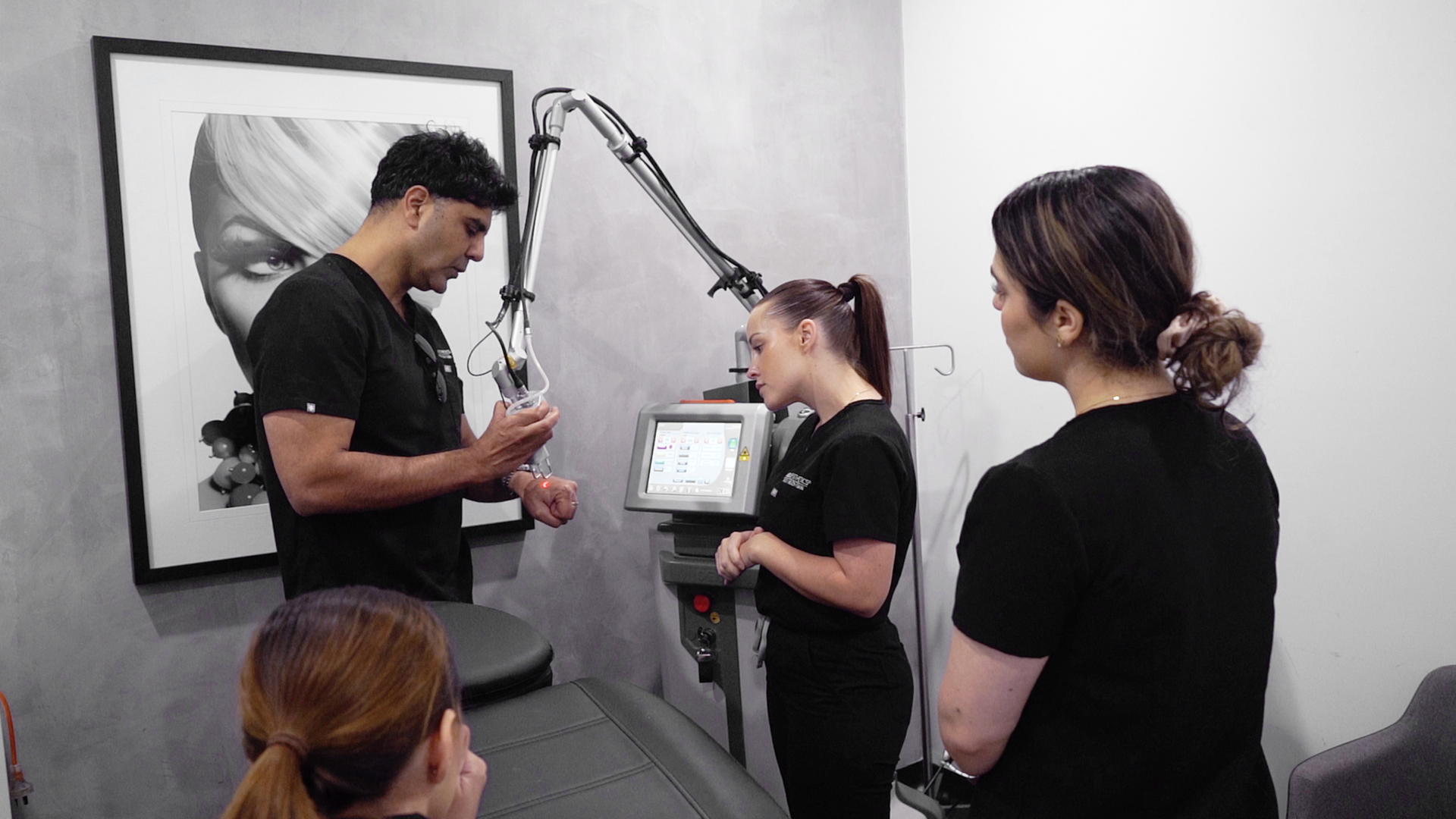
During Ehsan’s early medical career in Australia, an unexpected encounter with an emerging field shifted his professional trajectory. While undergoing general practice training, skin cancer workshops in Queensland introduced him to cosmetic medicine.
"I left my general practice training and before that psychiatric training and then got into cosmetic medicine full time," Ehsan explains.
His move led to a major milestone in 2009, establishing Central Australia's first dedicated laser and skin cancer clinic.
"At the end of 2012, early 2013... that's when we started MedAesthetics at Hay Street in Subiaco," he says.
Reflecting on the journey from 2013 to 2026, Ehsan notes, "We now have seven clinics across Perth and we are one of the biggest doctor-owned boutique cosmetic clinics in Western Australia."
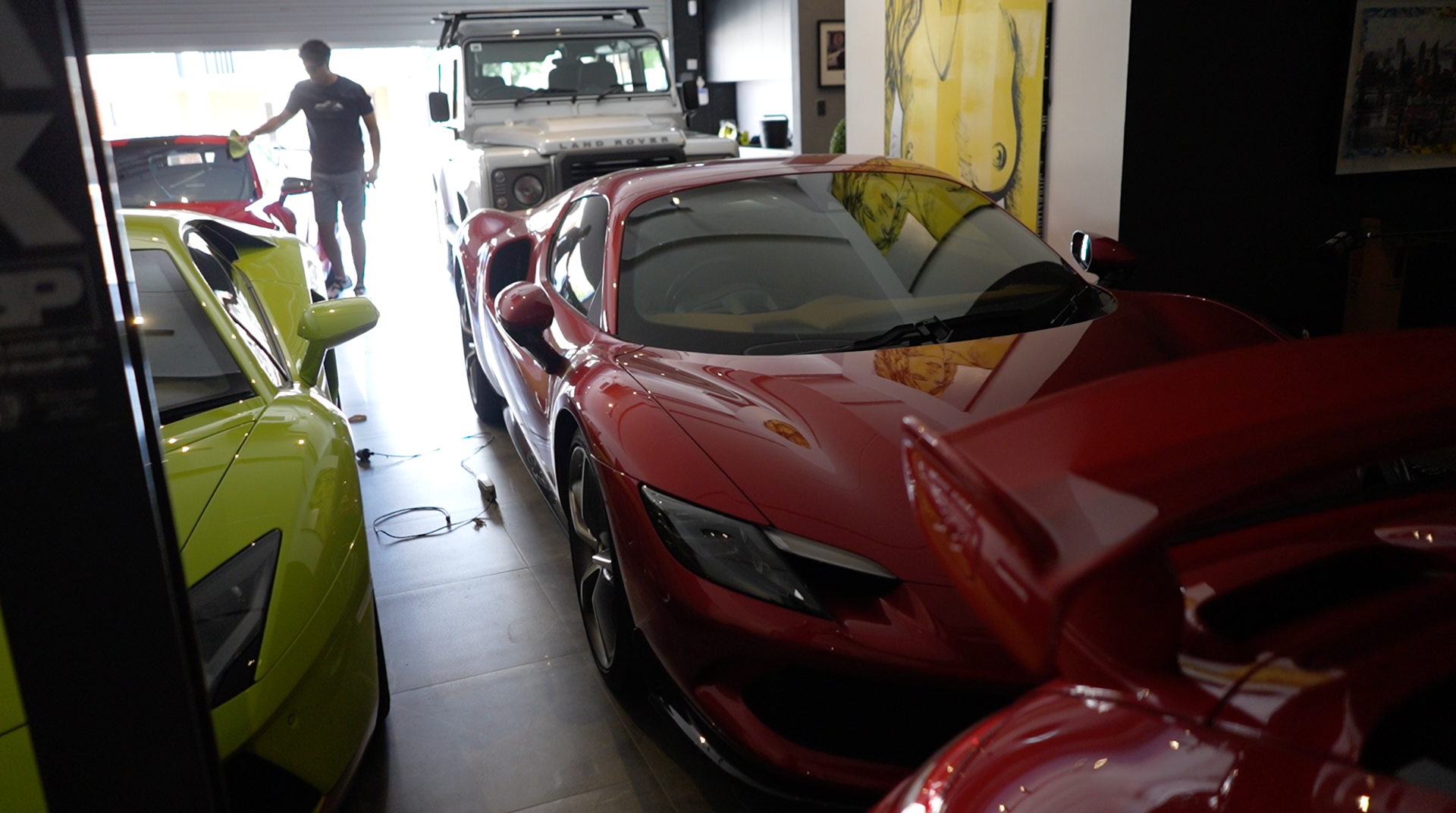
Growing up in Pakistan meant a media landscape vastly different from today's endless streaming options. Entertainment was a shared experience dictated by a lone television channel: PTV. Through this window, Ehsan caught his first glimpse of a larger world.
"One big thing was growing up in Pakistan was we only used to have one television channel. We did not have Netflix and all that," Ehsan shares. "So it was called PTV and PTV used to play a lot of American programs and movies and sitcoms."
For a young mind, the network's lineup fueled a fascination with Western culture and high-performance engineering.
"Growing up I watched a lot of Knight Rider, Magnum, P.I. and programs like that that sort of made me aware of the sports cars and supercars," he recalls. "And Miami Vice came in the '90s which was with this iconic white Testarossa."
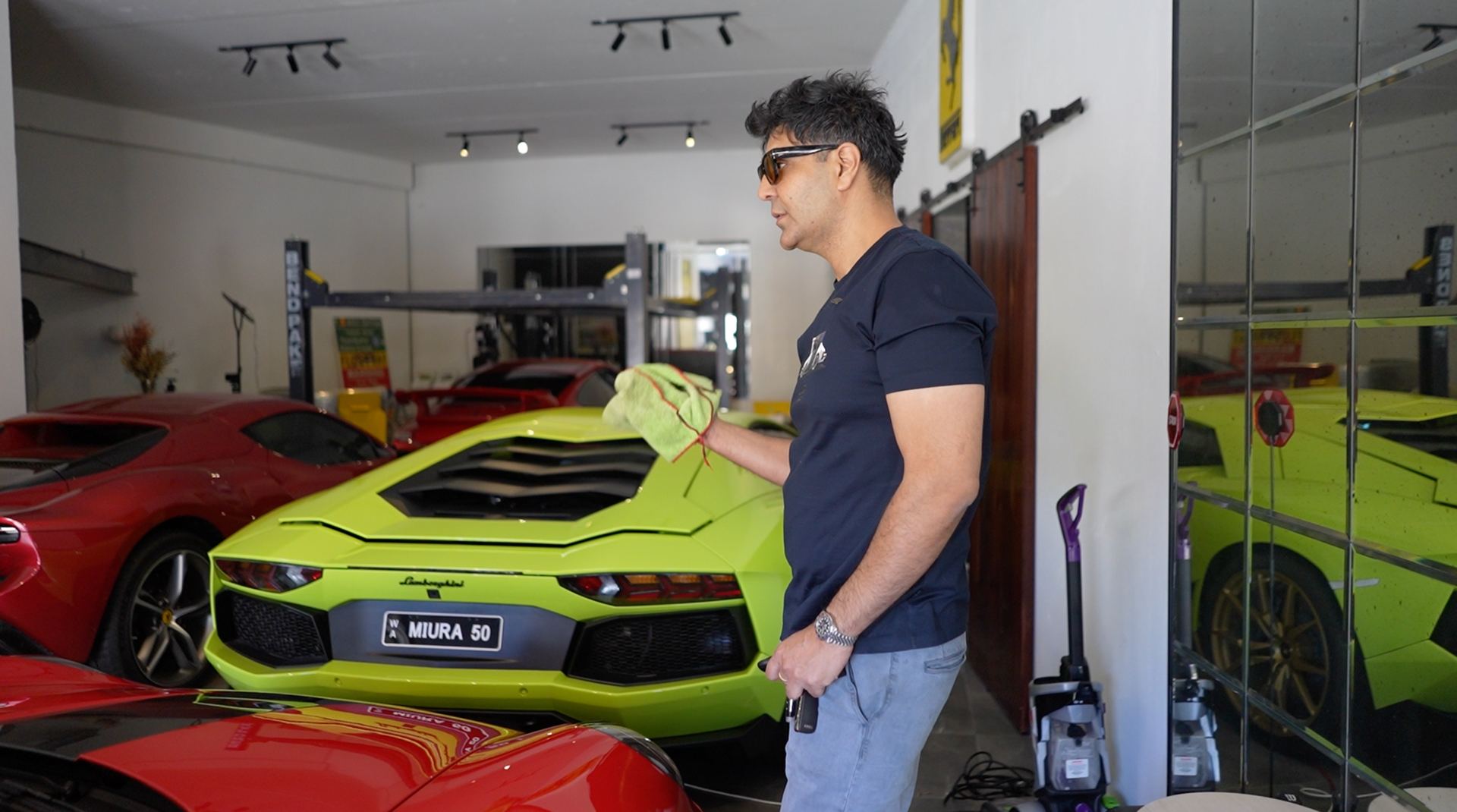
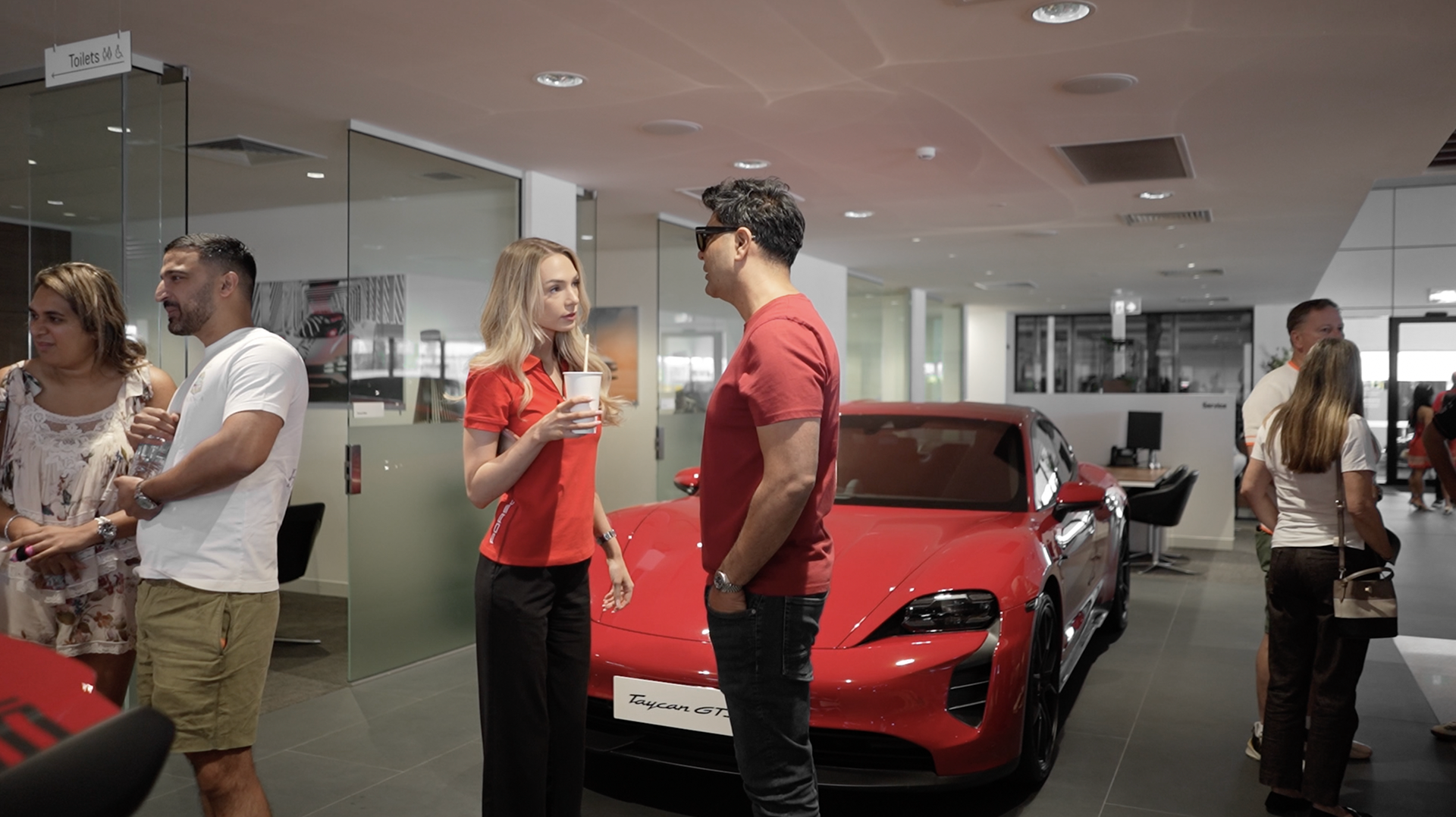
Those sleek lines and roaring engines planted the seeds of ambition. The contrast between his surroundings and the vibrant lifestyles on screen sparked a definitive turning point. As Ehsan puts it: "Those early influences on my life with sports cars and sort of western lifestyle influenced me that I decided that one day I will when I can leave Pakistan and experience that lifestyle in America or somewhere outside."
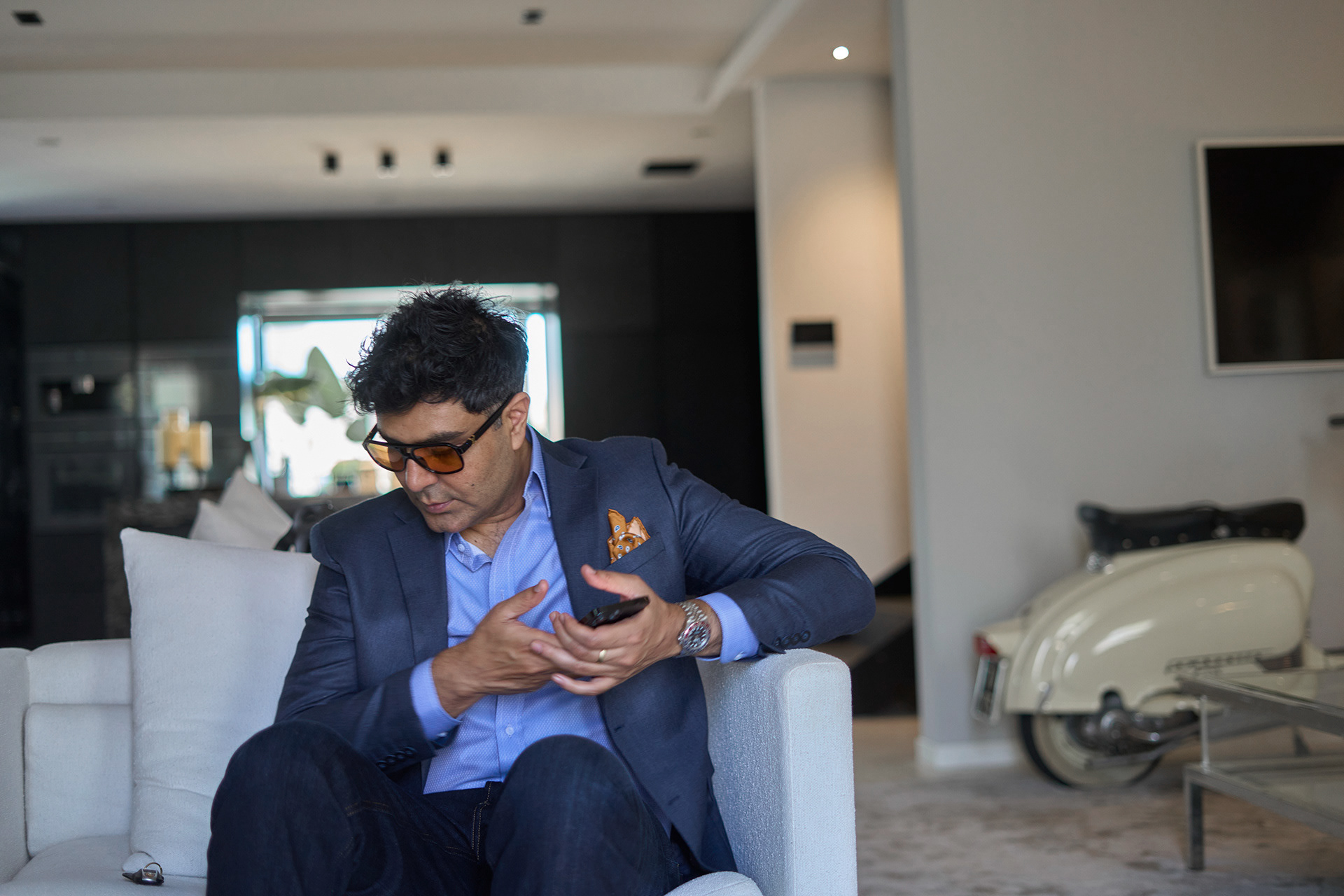

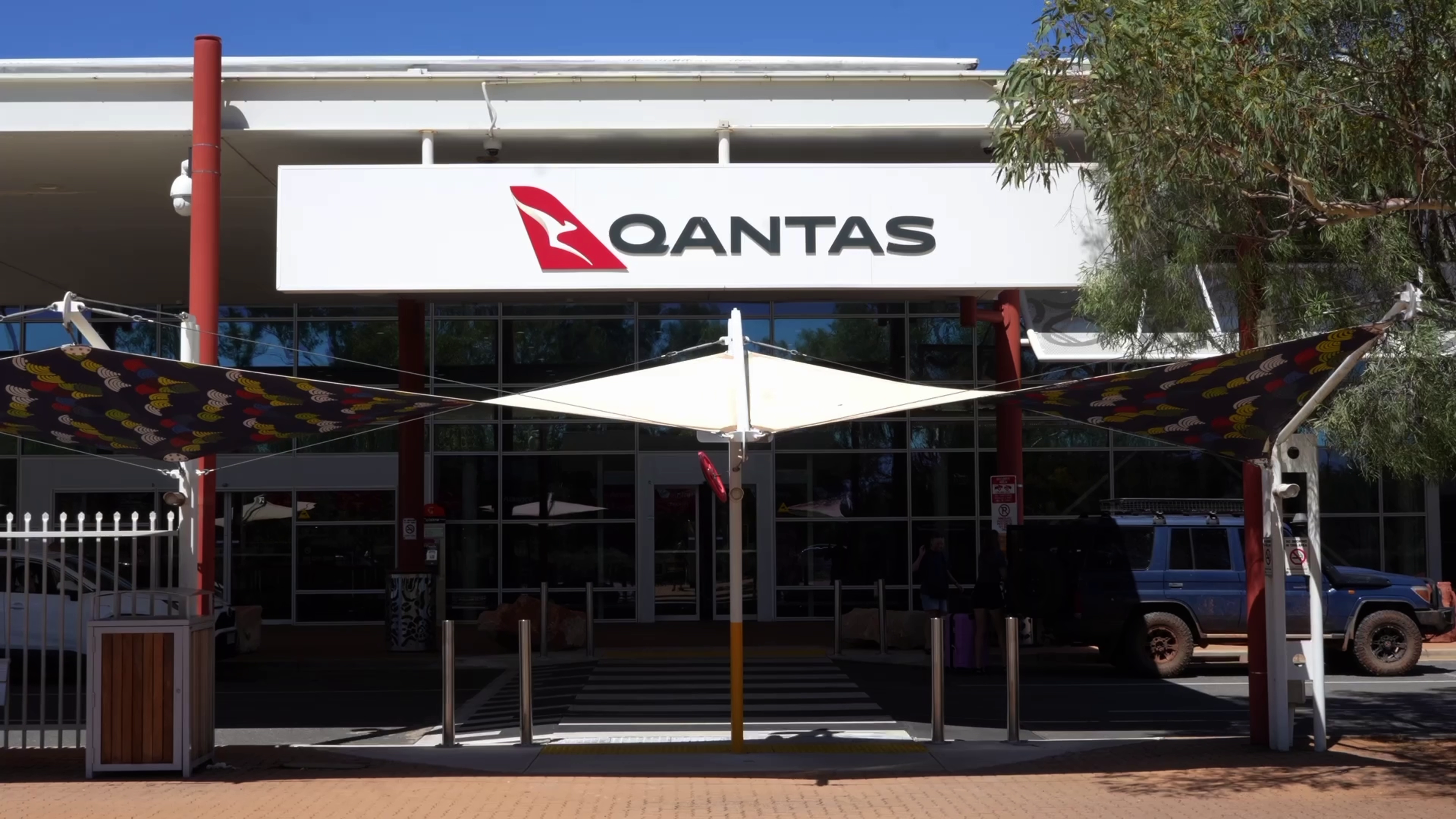
The tarmac at Alice Springs Airport shimmering in the desert heat carries a distinct gravity for Dr. Jadoon. Stepping into the Northern Territory is a profound temporal shift. "This is like a flashback to when I first came to Australia," he reflects. For Dr. Jadoon, this remote town is where his story began when he arrived in 2003 to work in the local health service. "It's almost 23 years. I love Alice Springs. This is like my hometown in Australia."
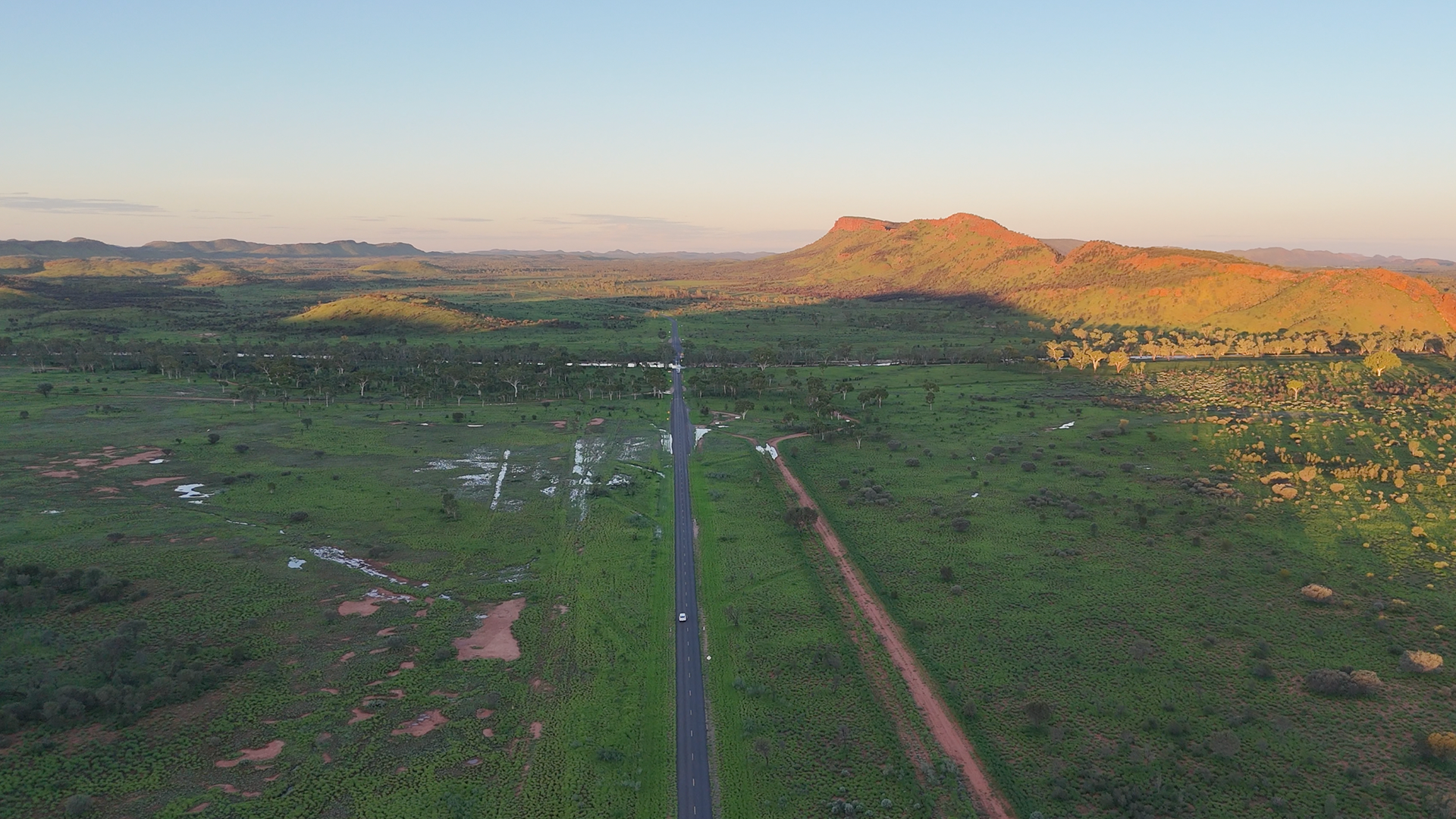
The oppressive heat felt exactly as he remembered, accompanied by the persistent swarm of desert flies. Yet, recent rainfall had transformed the arid landscape, painting the desert in vibrant shades of green.
Later, driving past the Todd River, he watched water surging down the normally dry bed, noting it was his third time seeing it flow.
"There's a common saying here that if you see the Todd River flowing twice, you consider yourself a local," Dr. Jadoon smiles.
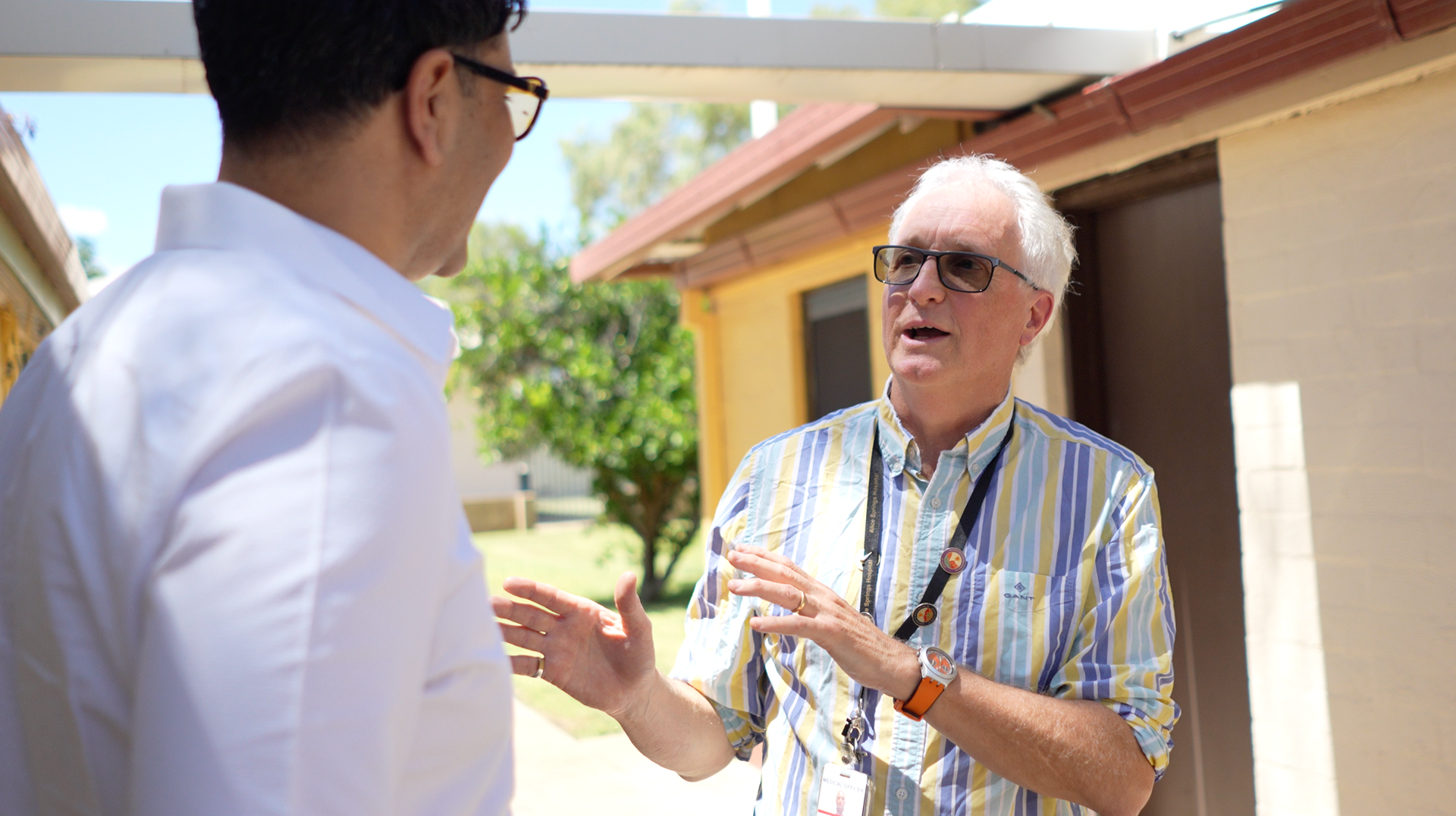
Dr. Ehsan Jadoon reconnects with his former mentor, Dr. Marcus Tabat, at the Central Australian Mental Health Services headquarters in Alice Springs after 16 years apart. Reflecting on the enduring challenges of remote healthcare, Dr. Tabat highlighted the region's total reliance on global talent: "Our services have considerably expanded... If it wasn't for skilled migration, we wouldn't have a service. We really actually rely on skilled migration to actually be able to sort of provide a service to the people of Central Australia."
The Invisible Gap in the System
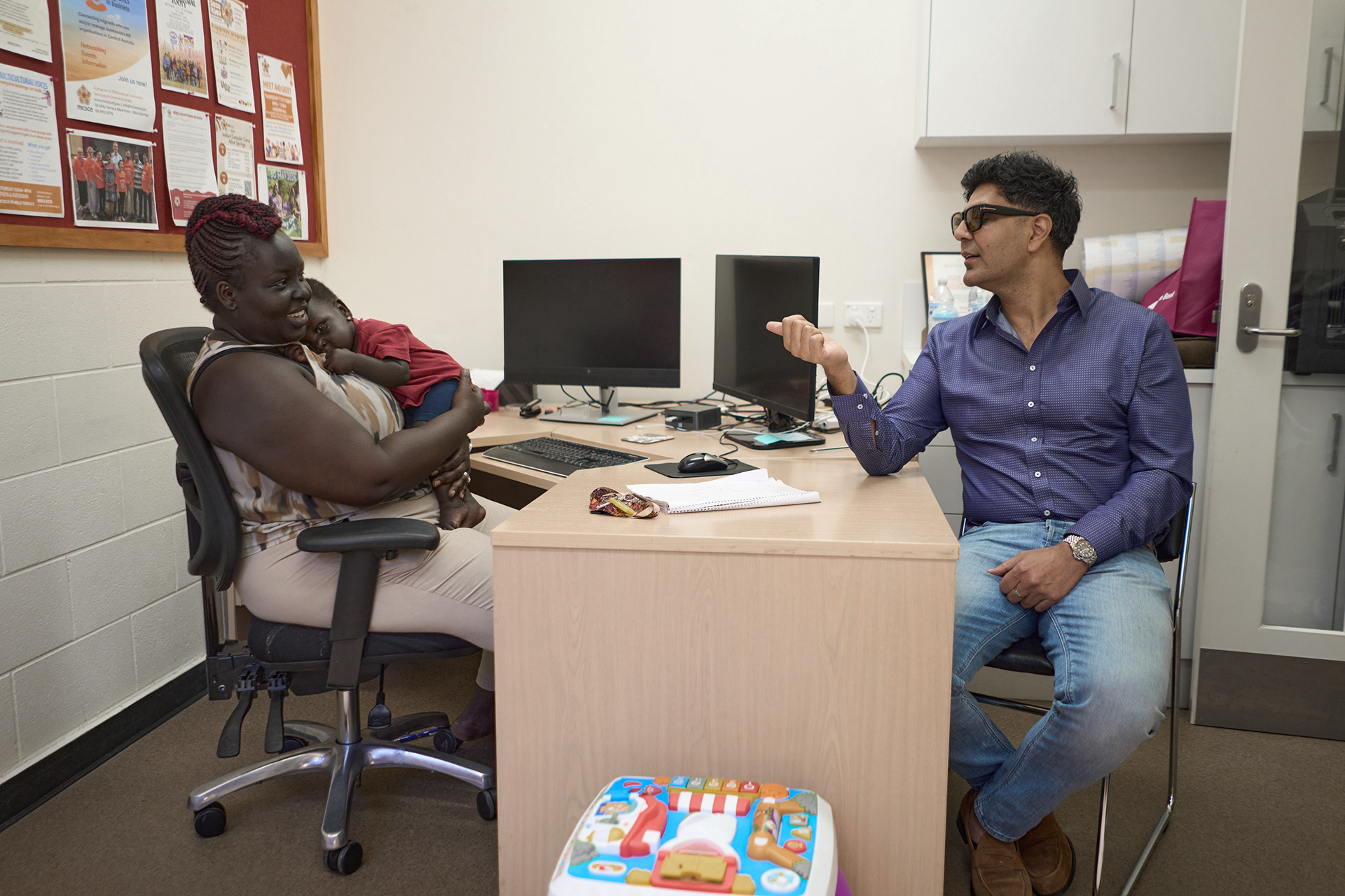
Stepping into the offices of the Multicultural Community Services of Central Australia (MCSCA) in Alice Springs, Ehsan sought answers to a gap ignored for years. How can migrants thrive if they are dropped into Australia without a blueprint for the unwritten social fabric? If they haven't learned local norms, or how to write a resume, how do they integrate?
Apajok confirms resources exist. "If you want help to know what the social norms are here... you come here," she explains. "We do social dinners, meet-and-greets... and support you in writing a resume and getting a job."
However, Apajok points out a major barrier to accessing this support. She explains that government frameworks operate on a rigid expectation: because a newcomer is a "skilled migrant," the system assumes they already possess the tools, language proficiency, and independence to socially integrate on their own.
Hearing this, Ehsan reflects on the deep systemic disconnect. "Living and working in Australia for the last almost 25 years, I wasn’t aware that these services are available," he says. It is a realisation that underscores a troubling gap: if a successful professional didn't know these resources existed, it means the system's assumption is flawed- and many other immigrants are being left to navigate their isolation in the dark.
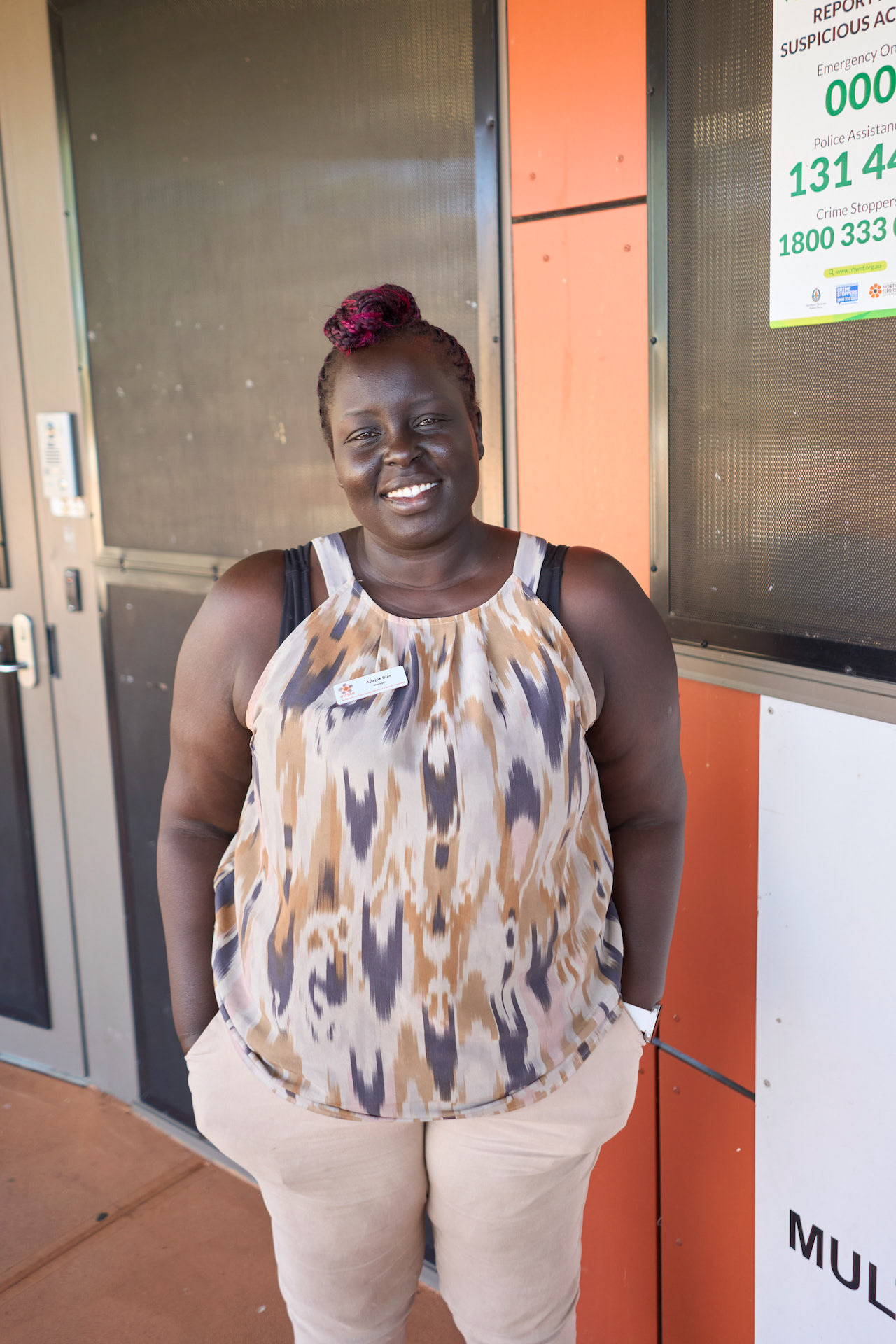
Apajok Biar is a passionate social worker, humanitarian, and refugee advocate whose leadership has made a profound impact across Central Australia and beyond. Born in a refugee camp in Kenya, she arrived in Australia with her family as a two-year-old and has dedicated her life to creating opportunities for refugees, migrants, women, and young people.
As co-founder and chairperson of South Sudan Voices of Salvation Inc. and co-founder of Angaac Women Association Australia Inc., Apajok has championed gender equality, human rights, and refugee participation in decision-making. She has established support networks for newly arrived refugee women, advocated for improved services for multicultural women experiencing domestic violence, and represented refugee communities on national and international advisory bodies, including with the United Nations High Commissioner for Refugees.
Recognised as the MCSCA Centralian of the Year, Apajok is celebrated for her unwavering commitment to building a more inclusive, compassionate, and connected community. Her work continues to empower people from diverse backgrounds while strengthening multicultural life in Central Australia through advocacy, leadership, and service.
The Invisible Gap in the System
Stepping into the offices of the Multicultural Community Services of Central Australia (MCSCA) in Alice Springs, Ehsan sought answers to a gap ignored for years. How can migrants thrive if they are dropped into Australia without a blueprint for the unwritten social fabric? If they haven't learned local norms, or how to write a resume, how do they integrate?
Apajok confirms resources exist. "If you want help to know what the social norms are here... you come here," she explains. "We do social dinners, meet-and-greets... and support you in writing a resume and getting a job."
However, Apajok points out a major barrier to accessing this support. She explains that government frameworks operate on a rigid expectation: because a newcomer is a "skilled migrant," the system assumes they already possess the tools, language proficiency, and independence to socially integrate on their own.
Hearing this, Ehsan reflects on the deep systemic disconnect. "Living and working in Australia for the last almost 25 years, I wasn’t aware that these services are available," he says. It is a realisation that underscores a troubling gap: if a successful professional didn't know these resources existed, it means the system's assumption is flawed—and many other immigrants are being left to navigate their isolation in the dark.
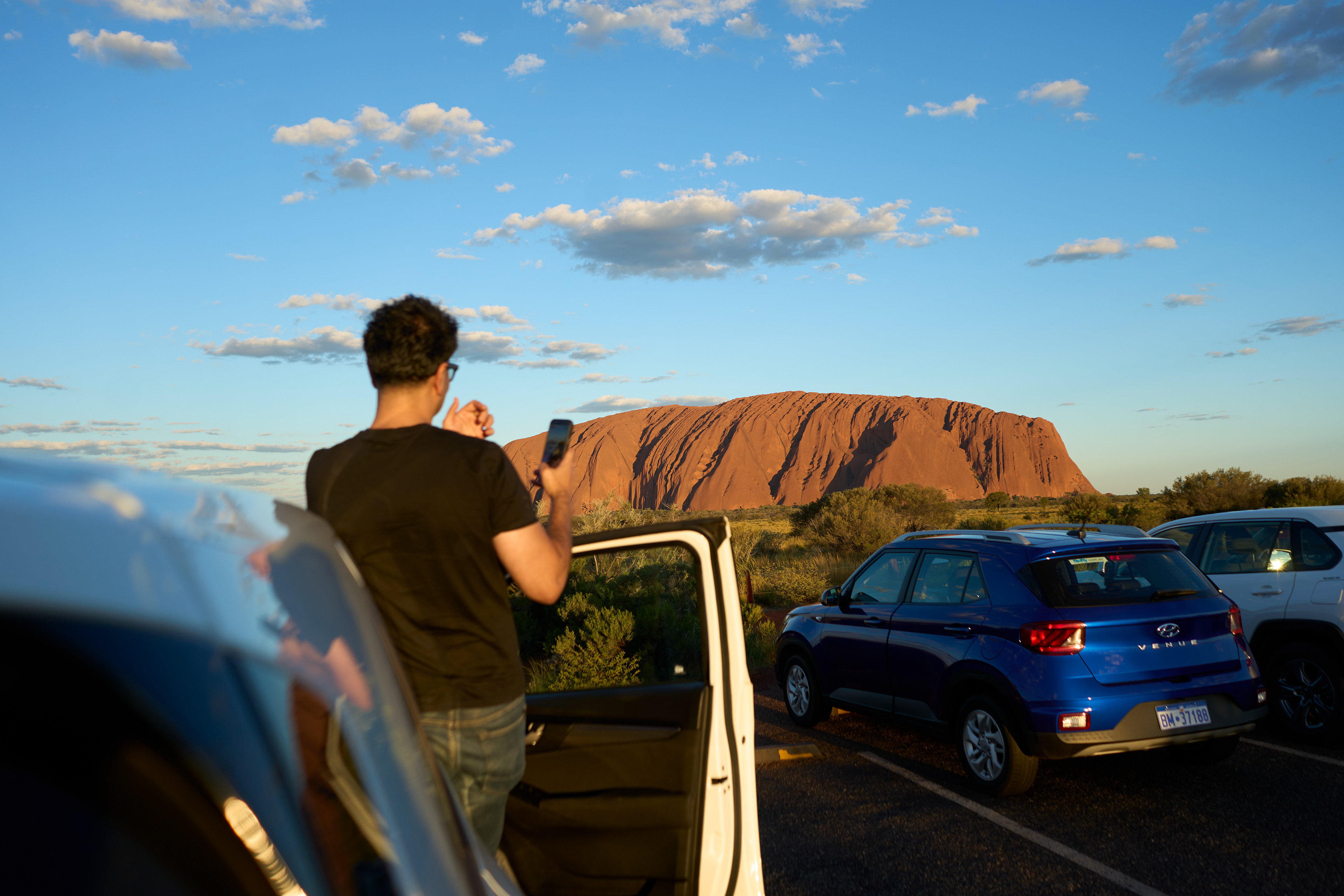
Returning to the desert after many years, the passage of time has only deepened his appreciation for its immense cultural and natural significance. "And have a look at it. It's the most magnificent thing you will see that exists in nature." Beyond the Man-Made World. Having travelled the globe and witnessed the pinnacles of human architectural achievement, Dr. Jadoon finds that nothing quite compares to the raw, spiritual presence anchored in the heart of the Australian outback.
"I think it looks more spectacular than any man-made thing in the world," he reflects. "No Burj Khalifa, no pyramids this is it." For Dr. Jadoon, the ancient monolith stands as a necessary pilgrimage, not just for international visitors, but for everyone who calls the continent home.
"I have seen many other things, but this is one of the most spectacular things right in the heart of Australia. This is like one of the most beautiful things you can witness in real life. Unbelievable. I recommend every Australian should come and check it out at least once in their lifetime."